Choosing the right hi-vis jacket
Last updated
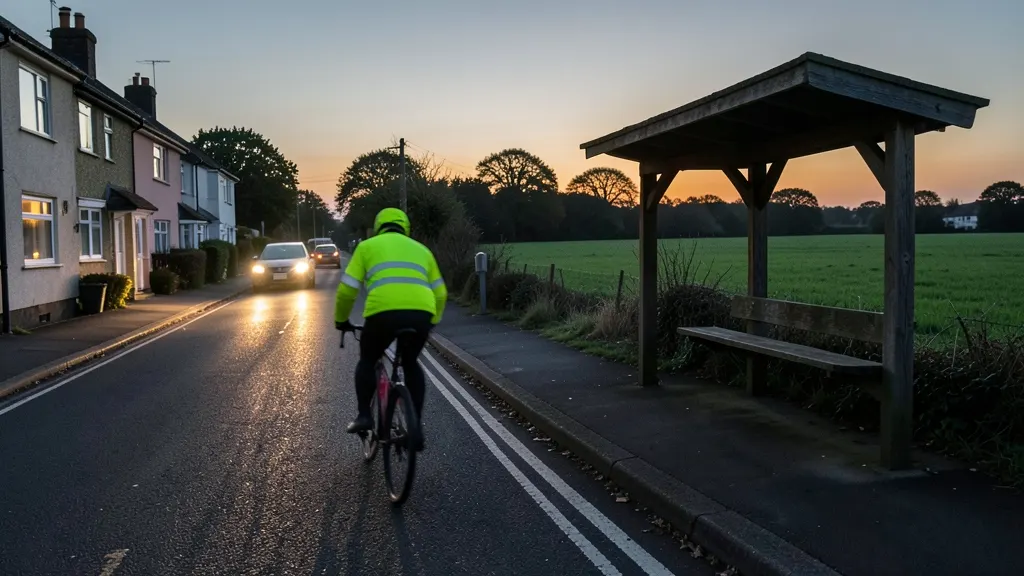
A high visibility jacket is one of the simplest bits of safety kit you can own. It combines fluorescent material, usually yellow or orange, with retroreflective bands that shine back brightly when headlights hit them. Builders and road workers wear them because they have to, but the same logic applies to cyclists, horse riders, dog walkers, motorcyclists and anyone out on dark winter mornings and evenings. The right hi vis jacket makes you far easier to spot, and the wrong one can leave you with false confidence.
Who a hi-vis jacket suits
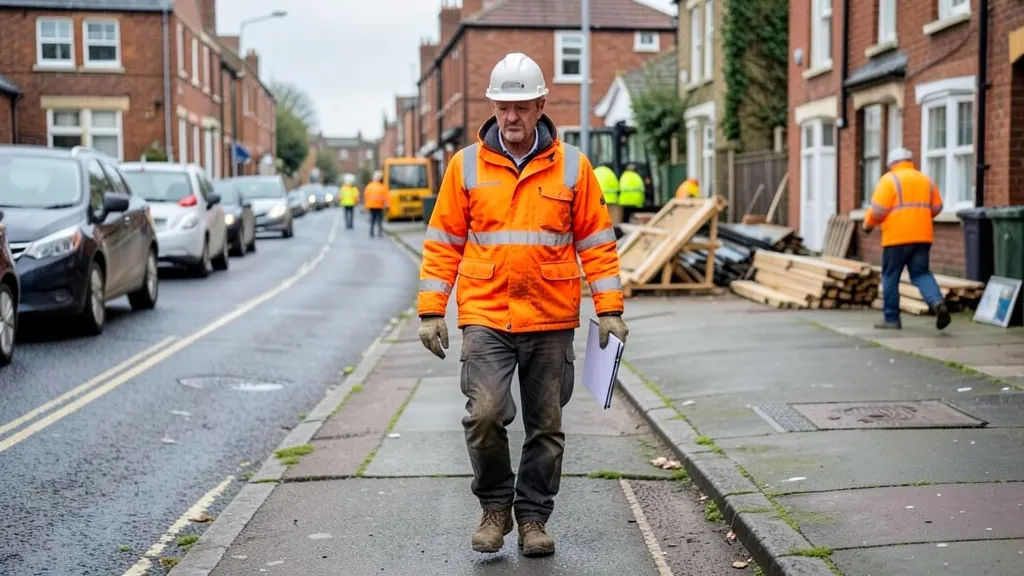
Anyone who spends time near traffic or machinery is a candidate. Site workers, roadside operatives and warehouse staff are the obvious group, and employers often supply jackets as required personal protective equipment. Beyond work, hi vis jackets in the UK are common among cyclists, runners, school-run parents and horse riders. Motorcyclists have their own approach, often using fluorescent and reflective strips on gear rather than a loose jacket, but the principle is the same: be seen from the front, the side and the rear.
The Highway Code supports this habit. Rule 3 asks all road users to help others see them, and notes that reflective materials such as jackets can be seen by drivers using headlights up to three times as far away as non-reflective materials. Rule 59 makes the same point for cyclists, and Rules 86 and 87 do so for motorcyclists, asking riders to make themselves as visible as possible from the side as well as the front and rear.
What to check before buying
Class
The main standard for hi-vis clothing is EN ISO 20471, which has three classes. The class tells you how much fluorescent background material and retroreflective tape the garment must have. Minimum fluorescent background areas are 0.14 m2 for class 1, 0.50 m2 for class 2 and 0.80 m2 for class 3, with minimum retroreflective areas of 0.10, 0.13 and 0.20 m2 respectively.
In plain terms, class 3 is the highest class and offers the most coverage, so it is the sensible choice where traffic is fast or workers are exposed to real risk. Class 2 is a common middle ground for many work and leisure uses. A short tabard or waistcoat style often only reaches class 1, which is better than nothing but is the lowest level. Some workwear and hi viz jacket styles can be layered, and garments can also be certified as class 2 on their own but class 3 when worn with matching trousers.
One special case worth knowing: the rail industry standard RIS-3279-TOM requires an orange colour and garments meeting at least class 2 of EN ISO 20471, according to UK testing body SATRA. If you work near the railway, that requirement will shape what you can buy.
Fabric and weather protection
The fabric does two jobs: it carries the fluorescent colour and it shields you from the weather. Lightweight mesh suits summer use and running, while heavier coated polyester or a waterproof shell keeps out drizzle and wind on winter commutes. Check the seams and closures too. Storm flaps over the zip, taped seams and a drawcord at the hem and hood all help in British rain.
Fit
Fit matters more than people expect. A jacket that flaps about in the wind is uncomfortable on a bike or a horse, and baggy cuffs can catch on machinery. Look for adjustable cuffs and hem, room for a jumper underneath in winter, and a cut that lets you move your arms freely. If you cycle, a slightly longer back keeps spray off.
Reflective tape
Check the retroreflective bands. They should circle the body and the arms, not just sit across the chest, because side visibility is often what saves you at a junction. Silver-grey tape is standard and performs well against headlights. The tape should be stitched flat with no bubbling or peeling, and it must still work when the garment is stretched or worn with the pockets full.
Common use cases and trade-offs
Every choice involves compromise. A heavy waterproof class 3 jacket is excellent on a wet roadside in January but too hot for a summer delivery round. A lightweight hi vis jacket is comfortable for running but may not survive daily washing on a building site. Cyclists weigh visibility against drag and bulk; some prefer a slim jacket plus reflective bands, which Rule 59 supports by mentioning belts and ankle bands as options for the dark.
There is a legal angle for workers. Under the Personal Protective Equipment at Work Regulations 1992, employers must provide suitable PPE to workers exposed to a health and safety risk unless that risk is controlled by other means. Since 6 April 2022 those duties also cover limb (b) workers, and the employer must supply the PPE free of charge. If you are buying for yourself for leisure use, that law does not apply, but the class system still helps you choose sensibly.
Remember that no jacket replaces lights. Rule 60 requires a cycle used at night to have a white front light, a red rear light and a red rear reflector, and clothing is a supplement, not a substitute.
Care and when to replace
Hi-vis only works while it is clean and intact. Grease, mud and grime dull the fluorescent colour and block the reflective tape, so wash the jacket regularly following the care label. HSE guidance says reusable PPE must be cleaned and kept in good condition, and hi-vis jackets must be cleaned regularly. Workers must report any loss, destruction or obvious defect to their employer.
At home, inspect the jacket every so often. If the fluorescent fabric has faded to a sad yellow, the tape has cracked, peeled or gone dull, or the garment no longer closes properly, replace it. Dirty tape can sometimes be cleaned, but tape that has lost its shine will not come back with washing. A hi-vis jacket that no longer glows in headlights is just an ordinary jacket, and treating it as safety kit at that point is asking for trouble.
Frequently asked questions
What class of hi vis jacket do I need?
EN ISO 20471 runs from class 1 to class 3. Class 3 offers the most coverage, at least 0.80 m2 of fluorescent background material and 0.20 m2 of retroreflective material, and suits high-risk situations such as fast traffic. Class 2 is a common general-purpose choice. If your employer sets the requirement, follow what your risk assessment says.
Does a hi-vis jacket help during the day?
Yes, though the two materials do different jobs. Fluorescent colours help you stand out in daylight and poor light, while reflective tape needs a light source and works best in the dark. A jacket with both covers you from dawn to lights-out.
Do cyclists have to wear hi-vis by law?
There is no legal requirement for cyclists to wear high visibility clothing. The Highway Code advises it, and Rule 59 says fluorescent clothing helps in daylight and poor light while reflective gear helps in the dark. At night a cycle must display a white front light, a red rear light and a red rear reflector under Rule 60.
Why do railway workers wear orange instead of yellow?
The rail standard RIS-3279-TOM requires an orange colour and garments meeting at least class 2 of EN ISO 20471, according to UK testing body SATRA. If you work on or near the railways, you will need orange rather than yellow.
How often should I wash my hi-vis jacket?
Wash it regularly following the care label, because dirt and grime reduce both the fluorescent colour and the reflective performance. HSE guidance states that hi-vis jackets must be cleaned and kept in good condition. Replace the jacket when the fabric fades or the tape peels or stops shining.