Class 3 hi vis jackets: separating myth from fact
Last updated
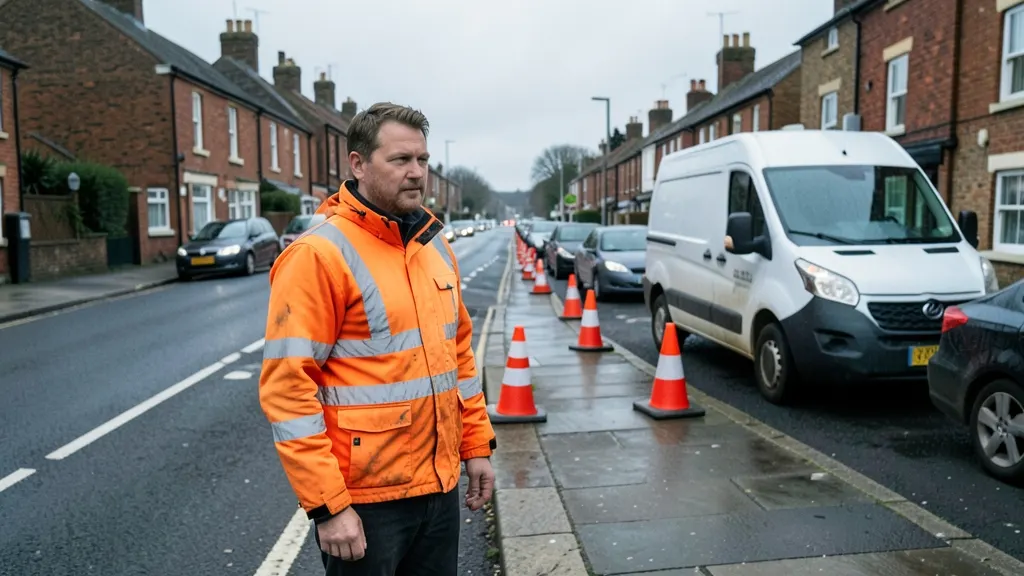
Plenty of people believe a class 3 hi vis jacket is simply a better quality jacket. The thinking goes that the higher the class, the thicker the fabric, the stronger the zip and the longer it will last. That is the single most common misconception about hi-vis clothing, and it leads buyers to pay for a rating they may not need, or to assume a class 3 garment will survive site work better than a cheaper one.
The class has nothing to do with build quality. It is a measure of how much visible material a garment carries. EN ISO 20471, the standard behind hi-vis certification, has three classes based on minimum areas of fluorescent background material and retroreflective material. A class 1 garment needs at least 0.14 square metres of fluorescent background and 0.10 square metres of retroreflective material. Class 2 requires 0.50 square metres of fluorescent and 0.13 square metres of retroreflective. Class 3, the highest, requires at least 0.80 square metres of fluorescent background material and 0.20 square metres of retroreflective material.
So when you buy a class 3 hi vis jacket, you are buying coverage, not durability. Two jackets of the same class can differ enormously in fabric weight, waterproofing, fit and stitching. Check those things separately, and read about the broader choice in Hi-vis jackets: how to choose the right one.
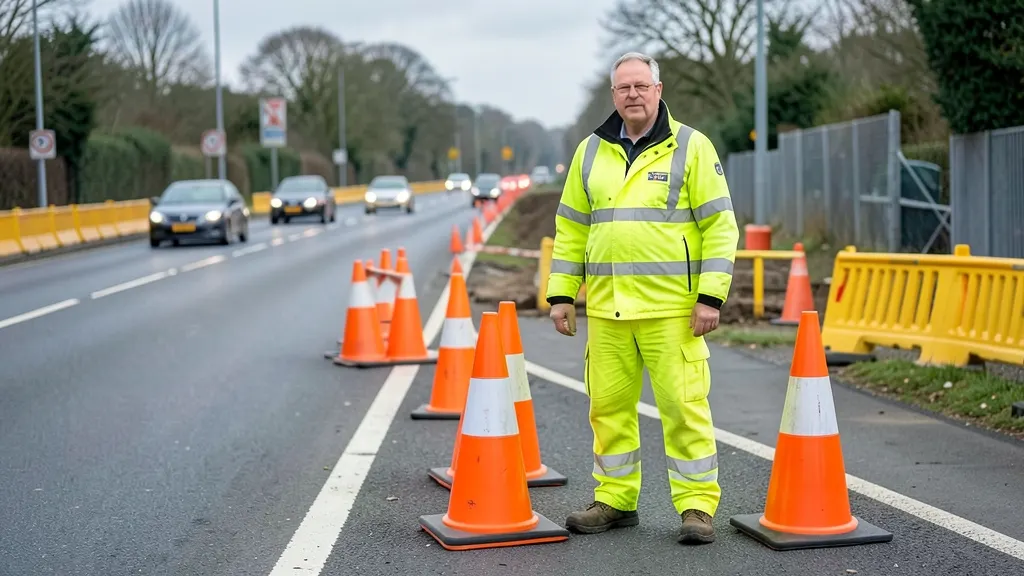
Myth: class 3 means brighter colours
The class does not change the colour. Class 3 hi vis coats come in the same fluorescent yellow and orange as lower classes. What changes is the area of that fluorescent material, plus the area of reflective banding. A large class 3 jacket in orange is no more intensely coloured than a small class 1 waistcoat in yellow. If you want maximum brightness per square metre, every certified garment meets the same colour and performance requirements for the material itself.
Myth: everyone on a building site needs class 3
Class 3 exists for people working in the highest risk situations, typically fast traffic, poor light or a cluttered visual background, where a body needs to be visible from a good distance and recognisable as a person. Many site roles are adequately served by class 2 garments. The right answer depends on the risk assessment, not on a instinct that the top class must be safest. Employers have a duty here. Under the Personal Protective Equipment at Work Regulations 1992, employers must provide suitable PPE to workers exposed to a risk to health or safety, unless the risk is adequately controlled by other means. Since 6 April 2022 those duties also cover limb (b) workers, and the PPE must be provided free of charge.
There is a separate point worth knowing if you work near railways. SATRA, a UK PPE testing body, states that the rail standard RIS-3279-TOM requires an orange colour and garments meeting at least class 2 of EN ISO 20471. So rail work does not automatically mean class 3 either. The colour requirement matters as much as the class.
Myth: a class 3 jacket makes you safe at night on its own
A class 3 hi vis jacket is a strong help, but the Highway Code treats hi-vis as one measure among several. Rule 3 asks all road users to help others see them, and notes that in the dark, reflective materials such as armbands, sashes, waistcoats, jackets or footwear can be seen by drivers using headlights up to three times as far away as non-reflective materials. Rule 59 makes the same point for cyclists, distinguishing between fluorescent clothing, which helps in daylight and poor light, and reflective gear, which helps in the dark. Rule 60 adds that at night a cycle must have a white front light, a red rear light lit and a red rear reflector. Lights are a legal requirement, not an optional extra beside your jacket. Rule 86 and Rule 87 apply the same logic to motorcyclists, who should wear fluorescent clothing or strips to be visible from the side, front and rear, and reflective material when riding in the dark.
If your class 3 hi vis coat is dirty, its performance drops. The fluorescent and reflective surfaces only work if light can reach them, so grime defeats the purpose. HSE guidance says reusable PPE must be cleaned and kept in good condition, and hi-vis jackets in particular must be cleaned regularly. Workers must report any loss, destruction or obvious defect. A tatty, faded class 3 jacket may perform worse than a clean class 2 one.
What to do instead
Base your choice on the risk and the conditions, then check the build quality separately. If you face high speed traffic or work at night near moving vehicles, a class 3 high visibility jacket is the right call. For lower risk daylight roles, class 2 will often do the job. Whatever the class, look at the closures, the waterproofing, the fit over your other layers and the quality of the reflective banding.
Look after the garment once you have it. Wash it regularly, follow the care label, store it clean and dry, and replace it when the reflective strips start to wear. Check the certification label inside the garment so you know the class you are actually getting.
For specific activities, the details matter more than the number on the label. Cyclists can read Hi-vis jackets for cycling, dog walkers will find practical advice in Hi-vis jackets for dog walking, and anyone who prefers a less conspicuous look can consider Black hi-vis jackets: who they suit and when. Buy the class the risk demands, judge the jacket on its own merits, and keep it clean.
Frequently asked questions
What is a class 3 hi vis jacket?
It is a jacket certified to the highest class of EN ISO 20471, with at least 0.80 square metres of fluorescent background material and 0.20 square metres of retroreflective material. The class measures the area of visible material, not the quality of the jacket. Class 3 suits the highest risk situations such as fast traffic and night work.
Is a class 3 hi vis jacket better quality than class 2?
No. The class only records how much fluorescent and reflective material the garment carries. Build quality, fabric weight, waterproofing and stitching vary between jackets of any class and must be judged separately. A well made class 2 jacket can outlast a poorly made class 3 one.
Do employers have to provide class 3 hi vis jackets?
Under the Personal Protective Equipment at Work Regulations 1992, employers must provide suitable PPE to workers exposed to a health or safety risk unless it is controlled by other means. Since 6 April 2022 this also covers limb (b) workers, and the PPE must be provided free. The required class depends on the risk assessment.
Does a class 3 jacket replace bike lights at night?
No. The Highway Code requires a cycle at night to have a white front light, a red rear light lit and a red rear reflector. Reflective clothing helps drivers see you much further away, but it works alongside the lights, not instead of them.
How do I keep a hi vis jacket working well?
Clean it regularly, because dirt and grime block the fluorescent and reflective surfaces. HSE guidance says reusable PPE must be cleaned and kept in good condition, and workers must report any loss, destruction or obvious defect. Replace the jacket when the reflective strips wear away or the fabric fades.