Lightweight hi-vis jackets: which one suits you?
Last updated
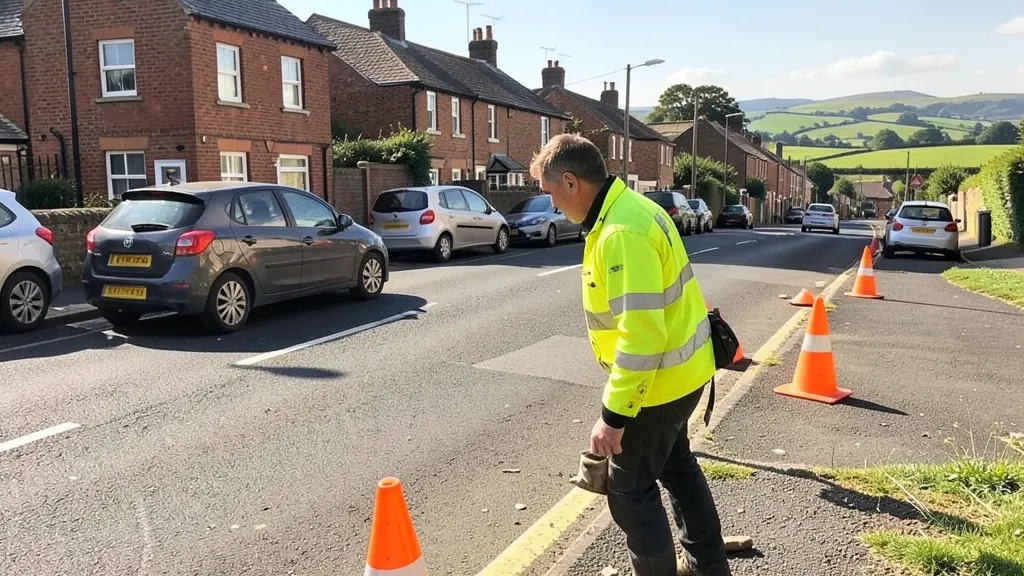
A lightweight hi vis jacket is often the answer when a heavy one never gets worn. Maybe you sweat through a padded jacket on a summer site, or you want something small enough to stuff in a pannier or a coat pocket for the commute home in the dark. This page compares the main lightweight options, explains which jacket fits which activity, and ends with a quick decision guide.
The lightweight hi-vis choices at a glance
There are three broad types to weigh up. Each has trade-offs between visibility, comfort and packability, so think about where and when you will wear it.
Mesh and ventilated jackets
A mesh or ventilated summer hi vis jacket keeps air moving, which makes it the coolest option for physical work or hot days. The fluorescent fabric covers enough area to count towards a certified class, but the trade-off is less weather protection and usually a shorter life if it snags on scaffolding or brambles. If heat is your main problem rather than rain, this is where to start.
Featherweight shells
A very light shell jacket made from thin ripstop or a similar fabric blocks wind and light showers while still packing down small. Many will squash into their own pocket or a stuff sack, which makes them a good packable hi vis jacket for runners, cyclists and parents who only need it for part of the journey. The fabric can feel clammy during hard effort unless it breathes well, so check for ventilation if you work up a sweat.
Stretch and soft-shell styles
These are the middle ground. They are heavier than mesh but lighter than a full winter jacket, and they move with you, which suits dog walkers, horse riders and anyone stretching and reaching on site. A soft-shell style will handle a bit of drizzle, though it is not a raincoat, and it will not pack as small as a featherweight shell.
How the main use cases compare
Work on and around roads or machinery
If the jacket is personal protective equipment for work, start with the standard. EN ISO 20471 has three classes. A class 2 garment needs at least 0.50 m2 of fluorescent background material and 0.13 m2 of retroreflective material, while class 3, the highest class, needs at least 0.80 m2 of fluorescent background and 0.20 m2 of retroreflective strips. On a lightweight garment, extra vents and mesh panels can eat into that fluorescent area, so check the label rather than assuming.
If you work near traffic or heavy plant, class 3 is the sensible target, and a light construction can still reach it. Some workplaces specify rail standard RIS-3279-TOM, which SATRA, a UK PPE testing body, says requires an orange colour and garments meeting at least class 2 of EN ISO 20471. Check with your supervisor which class your site demands before buying.
Employers should note that under the Personal Protective Equipment at Work Regulations 1992 they must provide suitable PPE to workers exposed to a health and safety risk, and since 6 April 2022 those duties also cover limb (b) workers, with the PPE provided free of charge. HSE guidance also says reusable PPE such as hi-vis jackets must be cleaned regularly and kept in good condition, with workers reporting any loss or obvious defect. A lightweight jacket worn daily in summer dirties quickly, so build cleaning into the routine.
For more on the top certification level, see Class 3 hi vis jackets: myths and facts.
Cycling and commuting
The Highway Code is clear on visibility for riders. Rule 59 says light-coloured or fluorescent clothing helps other road users see a cyclist in daylight and poor light, while reflective clothing or accessories such as belts, arm bands and ankle bands increase visibility in the dark. Rule 60 requires a white front light and red rear light lit at night, along with a red rear reflector, so a jacket complements your lights rather than replaces them.
For summer commuting, a light hi vis jacket with reflective panels plus a packable design works well: wear it through the busy junction, stuff it in the pannier once you are on a quiet lane. Rule 3 adds that reflective materials can be seen by drivers using headlights up to three times as far away as non-reflective materials, which is a strong argument for checking that the reflective detail is real retroreflective strip rather than just pale trim. Our Hi-vis jackets for cycling: a buyer's guide goes deeper.
Running and walking the dog
For runners, weight and packability matter most. A featherweight shell that scrunches into its own pocket, tied around the waist or carried in a running belt, is the usual choice. Rule 17 of the Highway Code simply says at night, wear something reflective to make it easier for others to see you, and a light jacket with decent reflective panels does that job.
Dog walkers need a bit more weather cover for standing still in fields, and a stretch style moves better when throwing balls or managing a lead. See Hi-vis jackets for dog walking: how to choose for specifics, including matching your dog's visibility to your own.
Motorcycling
Rule 86 advises motorcyclists to make themselves as visible as possible from the side as well as the front and rear, for example with fluorescent clothing or strips. Rule 87 says that when riding in the dark they should wear reflective clothing or strips. A lightweight over-jacket worn on top of protective kit in summer helps here, though it must fit over your armour without flapping.
Which option fits which situation
For hot, physical work, choose mesh or a ventilated panel jacket. For commuting and running, choose a featherweight shell that packs into its own pocket. For dog walking, riding or slower outdoor work in changeable weather, choose a stretch or soft-shell style. For high-risk work near fast traffic, choose whichever construction is lightest while still carrying the class 3 label.
Quick decision guide
- You overheat easily at work: ventilated mesh jacket, checked against the class your site requires.
- You need it only sometimes: packable hi vis jacket that stuffs into a pocket or bag.
- You need it in changeable weather: stretch or soft-shell style with some shower resistance.
- You work near traffic or machinery: class 3 under EN ISO 20471, in a light construction.
- You cycle at night: light jacket with retroreflective panels, plus the lights required by rule 60.
If you are weighing up hi-vis generally rather than just the lightest options, Hi-vis jackets: how to choose the right one covers the wider decision, and Black hi-vis jackets: who they suit and when and Kids hi vis jackets: myths and facts tackle other common questions.
Whatever you pick, keep it clean. Retroreflective tape loses effectiveness under a layer of grime, and HSE guidance is blunt about hi-vis jackets needing regular cleaning and good condition to do their job.
Frequently asked questions
Is a lightweight hi vis jacket still legally compliant for work?
There is no law requiring workers to wear a specific jacket, but under the Personal Protective Equipment at Work Regulations 1992 employers must provide suitable PPE to workers exposed to a risk. If your site requires certification, look for a class 2 or class 3 label under EN ISO 20471. A lightweight jacket can carry either class as long as it has enough fluorescent and retroreflective material.
Can a summer hi vis jacket be cool enough for hot days?
Yes, mesh and ventilated designs exist specifically for hot weather. They allow far more airflow than a standard jacket. The trade-off is less protection from rain and wind, and the lighter fabric can wear out faster if it snags.
What is a packable hi vis jacket?
It is a jacket made from thin, light fabric designed to fold or stuff into its own pocket, a pouch or the bottom of a bag. It suits runners, commuters and parents who only need the jacket for part of a journey. It is not usually as durable or waterproof as a heavier jacket.
Do I still need lights on my bike if I wear a reflective jacket?
Yes. Rule 60 of the Highway Code requires a cycle used at night to have a white front light and a red rear light lit, plus a red rear reflector. A hi-vis jacket helps drivers see you, but it does not replace legal lighting.
Does a lightweight jacket count towards EN ISO 20471 classes?
Only if it is certified. Class 2 requires at least 0.50 m2 of fluorescent background material and 0.13 m2 of retroreflective material, while class 3 requires at least 0.80 m2 and 0.20 m2 respectively. Vents and mesh panels reduce the fluorescent area, so check the labelling before you assume a light garment meets a class.