Hi-vis jackets for horse riding
Last updated
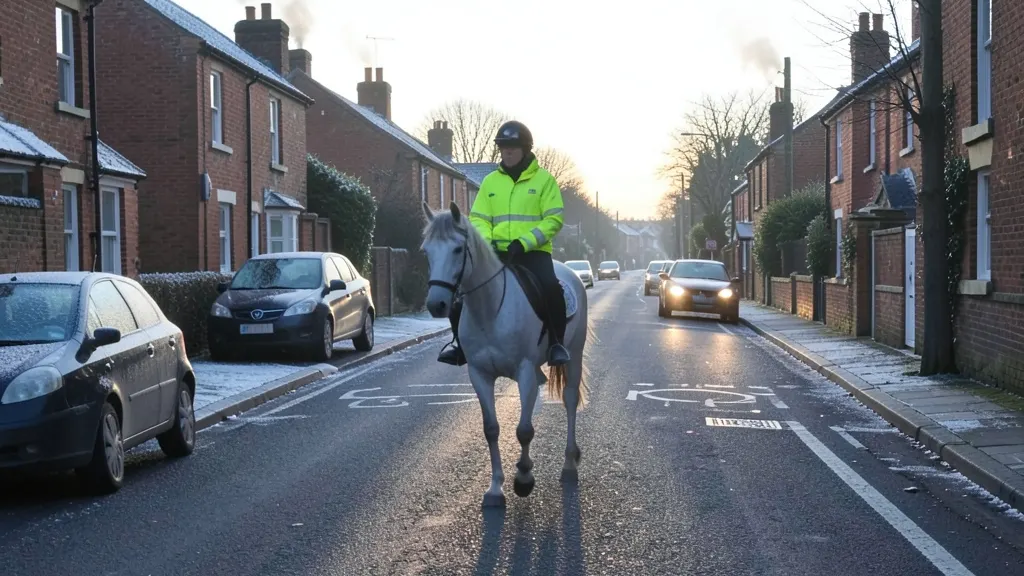
A horse riding hi vis jacket does two jobs at once. It makes you visible to drivers, and it helps your horse stand out as a large animal rather than a shape a driver might misread. A brightly coloured rider on a grey day can be seen far sooner than one in a dark fleece, and a jacket with reflective panels keeps working after the light drops. This guide covers what a high visibility riding jacket is, what to check before you buy, the trade-offs between styles, and how to keep one working properly.
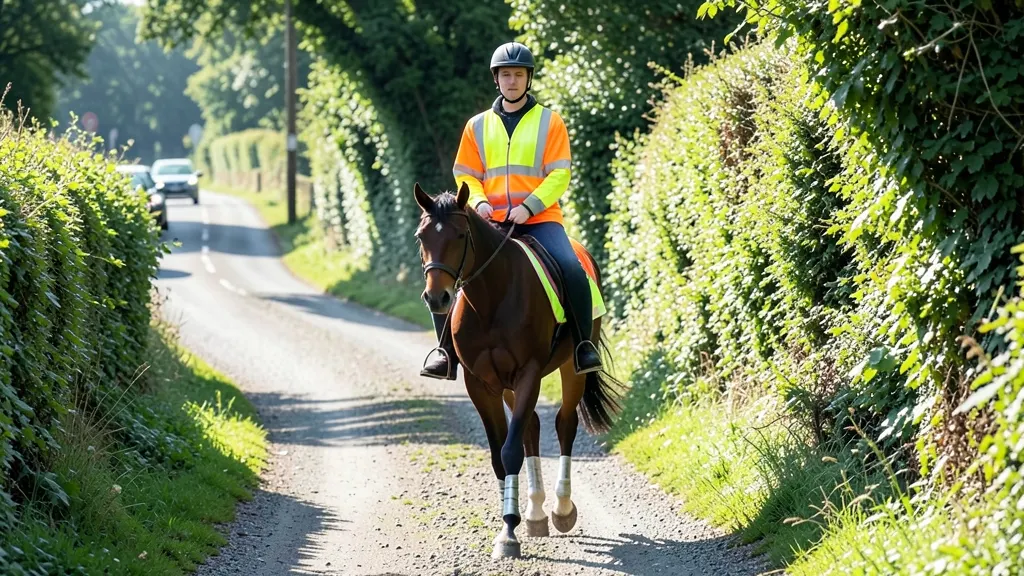
What a horse riding hi vis jacket is and who it suits
A hi vis jacket for riding is simply a high visibility jacket cut and sized to work in the saddle. That usually means a slightly longer back so it does not ride up, room in the shoulders for free arm movement, and a cut that sits comfortably over a body protector if you wear one. Some riders prefer a tabard or a wrap style that goes on over whatever they are already wearing, and that can be a sensible choice for quick hacks. A proper jacket gives better coverage, more reflective tape and better weather protection.
This kind of jacket suits anyone who rides or leads a horse on or near roads: adult riders hacking out, younger riders on the school run to the yard, instructors leading beginners, and anyone exercising horses in low winter light. It also suits drivers of horseboxes doing slow manoeuvres on narrow lanes, where being seen matters as much as for the rider. If you also walk a dog on the same lanes, it is worth reading our guide to Hi-vis jackets for dog walking: how to choose, since the same jacket often has to do both jobs.
The Highway Code is clear on the principle, even though it does not single out riders by name. Rule 3 asks all road users to help others see them, and says that in the dark reflective materials such as jackets and waistcoats can be seen by drivers using headlights up to three times as far away as non-reflective materials. Rule 17 says simply that at night you should wear something reflective. A fluorescent jacket handles daylight and poor light; the reflective parts handle darkness. For more on the general principles, see Hi-vis jackets: how to choose the right one.
What to check before buying
Class and certification
Look for a jacket certified to EN ISO 20471, the standard for high visibility clothing. It has three classes. Class 1 is the minimum, with at least 0.14 square metres of fluorescent background material and 0.10 square metres of retroreflective material. Class 2 raises that to 0.50 square metres of fluorescent material and 0.13 square metres of retroreflective material. Class 3, the highest, needs at least 0.80 square metres of fluorescent background and 0.20 square metres of retroreflective material.
For riding on roads with faster traffic, class 2 is the sensible baseline and class 3 is the better choice for night riding or poor visibility. A short tabard will often only reach class 1 because it simply does not have enough material, whatever the colour. Our page on Class 3 hi vis jackets: myths and facts explains the differences in more detail.
Fluorescent colour
Yellow and orange are the two standard fluorescent colours, and both work. What matters more is the amount of fluorescent material and its placement. Sleeves matter a great much on a rider, because your arms move constantly and that movement catches a driver's eye. Check that the fluorescent panels cover the arms as well as the torso, not just the chest and back.
Fit and cut
Try the jacket in a riding position if you can, or check the return policy if buying online. Reach forward as if taking up contact, and make sure the sleeves do not pull and the hem does not ride up at the back. Check that it fits over a body protector if you wear one, and that the collar does not chafe under a helmet strap. Slightly generous is better than tight, and many riders size up for winter layers.
Reflective tape
Retroreflective tape is what headlights bounce off after dark. Look for tape around the arms as well as across the body, because side visibility is often the weakest point. The Highway Code makes the same point for motorcyclists in Rule 86, telling them to make themselves as visible as possible from the side as well as the front and rear, and the logic applies just as well to horses on a country lane.
Common use cases and the trade-offs
The best hi vis jacket for horse riders depends on when and where you ride. For summer hacks in daylight, a lightweight fluorescent jacket or even a mesh tabard may be enough, and you will appreciate the ventilation. For winter commuting between field and yard, a lined waterproof with plenty of tape is worth the extra bulk. For riding at dusk or in fog, choose the highest class you can find and accept that the jacket will be less breathable.
There is always a trade-off between coverage and comfort. A full class 3 waterproof is the most visible option but can be hot in summer and bulky under a body protector. A sleeveless tabard is cool and easy to sling on, but it leaves your moving arms, which are some of your most visible features, in ordinary clothing. Many riders keep two options: something light for daytime and a fully taped, lined jacket for winter and dark evenings.
One thing worth repeating: hi vis clothing is not a substitute for safe riding decisions. It buys drivers time to slow down, but it does not make you invulnerable, and it works best alongside sensible route choices and lights where appropriate.
Care and when to replace
Hi vis jackets degrade, and most of the damage comes from washing them badly. Wash the jacket as the label directs, usually cool, inside out, with ordinary detergent and no fabric conditioner. Fabric conditioner can coat reflective tape and fluorescent fabric and dull both. Close zips and fasteners first so metal parts do not scrub the tape. Do not tumble dry unless the label says you can, because heat can crack reflective tape.
Health and safety guidance for workplaces, from the Health and Safety Executive, is a useful model for private riders too: reusable hi vis must be cleaned regularly and kept in good condition, and workers must report any loss or obvious defect. Check your jacket now and then in daylight and in headlights. If the fluorescent colour has faded to a pale version of itself, the tape is cracked, peeling or grey, or the fabric is worn through at the shoulders, it is time to replace it.
Store the jacket hanging up in a dry place rather than screwed in a feed room corner. Mud dulls fluorescence, so brush off the worst before it dries. A well kept jacket lasts years; a neglected one can be next to useless within a season.
For wider advice on riding out on roads, see Hi-vis for horse riders on the road.
Frequently asked questions
What class of hi vis jacket should a horse rider choose?
For riding on roads, EN ISO 20471 class 2 is a sensible minimum, with at least 0.50 square metres of fluorescent material and 0.13 square metres of reflective tape. Class 3, with at least 0.80 and 0.20 square metres respectively, is the better choice for riding in the dark or in poor visibility. Short tabards often only reach class 1 because of their small size.
Is a fluorescent jacket enough for riding at night?
No. Fluorescent colours help in daylight and poor light, but after dark you need retroreflective tape, which headlights can pick up up to three times as far away as non-reflective materials according to the Highway Code. Look for tape around the arms and body, and consider adding reflective bands to your legs or the horse.
Can I wear a normal work hi vis jacket for riding?
Many riders do, and if it meets class 2 or class 3 it will be visible enough. The fit is the issue: work jackets are often short in the body and tight across the shoulders when you are in the saddle. Check the hem does not ride up at the back and that the sleeves allow free arm movement.
How often should I wash my riding hi vis jacket?
Wash it when it is muddy, following the label, usually cool and inside out. Never use fabric conditioner, as it can dull the reflective tape and fluorescent fabric. Do not tumble dry unless the label allows it.
How do I know when to replace my hi vis jacket?
Check it in daylight and in car headlights. If the colour has faded, the reflective tape is cracked, grey or peeling, or the fabric is worn through, replace it. Regular cleaning and hanging storage will extend its life considerably.