Hi-vis jackets for cycling
Last updated
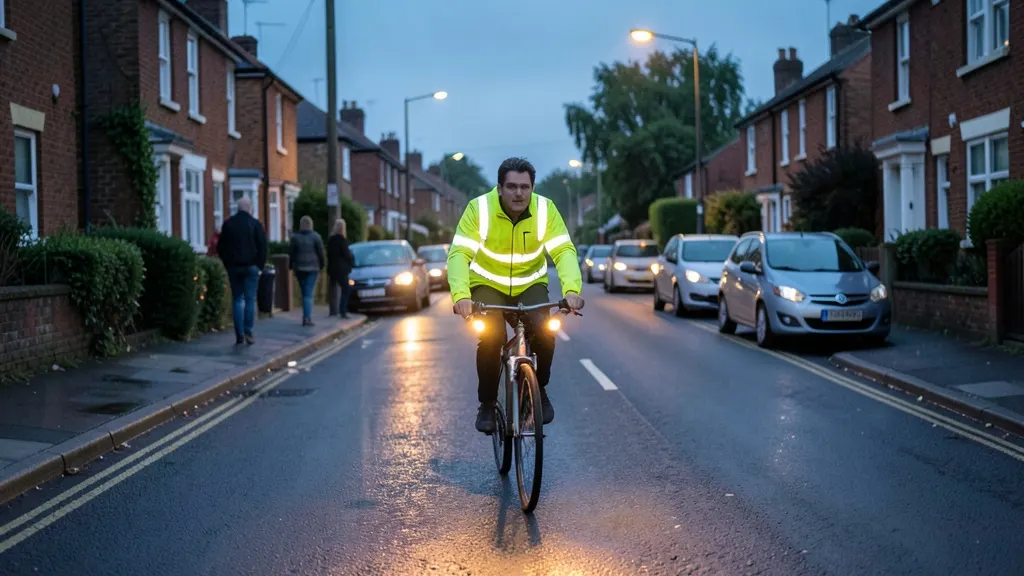
A high visibility cycling jacket is designed to make you easier to spot on the road, both in daylight and after dark. It combines fluorescent material, which is vivid in daylight and poor light, with retroreflective panels and tape, which shine back brightly when headlights hit them. Cyclists are one of the groups most likely to benefit, because a rider on a narrow machine is easy to lose against a busy street. The Highway Code makes the point directly: Rule 59 says light-coloured or fluorescent clothing can help other road users see a cyclist in daylight and poor light, while reflective clothing or accessories can increase visibility in the dark.
Who suits this kind of jacket? Commuters who ride at either end of the day, winter riders, anyone who shares fast rural roads with lorries and cars, and parents towing or carrying children. If you already have lights and bright kit, a dedicated jacket adds another layer of visibility rather than replacing any of it. If you mostly ride off-road or on quiet paths in full daylight, you may find a lighter or more breathable option works better. Our wider guide to hi-vis jackets: how to choose the right one covers the general questions, and it is worth reading if you wear one jacket for cycling, dog walking and the school run alike.
What to check before you buy
Class and coverage
The key standard is EN ISO 20471, which sets minimum areas of fluorescent background material and retroreflective material across three classes. Class 1 is the lowest, with at least 0.14 m2 of fluorescent material and 0.10 m2 of retroreflective material. Class 2 requires 0.50 m2 and 0.13 m2. Class 3 is the highest, with at least 0.80 m2 of fluorescent background material and 0.20 m2 of retroreflective material.
For cycling, most riders do not need class 3. A class 2 cycling hi vis jacket gives a sensible level of coverage for road commuting, and class 1 is often enough if you ride mainly on lit streets. Class 3 suits people working on the road or exposed to fast traffic for long stretches. If you are unsure, read our page on Class 3 hi vis jackets: myths and facts before paying extra for a class you may not need.
Fabric and weather
Cycling generates heat and sweat, so breathability matters more than it does for standing site work. A waterproof shell keeps rain off but can feel clammy on a hard ride, while a mesh or ventilated jacket stays comfortable but will not keep you dry. Think about when you ride. Winter commuters usually want a windproof or waterproof outer layer, with room for a jumper or base layer underneath. Summer riders may prefer a lightweight vest or a jacket that packs down small. Check the seams and cuffs too: storm flaps over the zip and adjustable cuffs keep draughts and drizzle out.
Fit
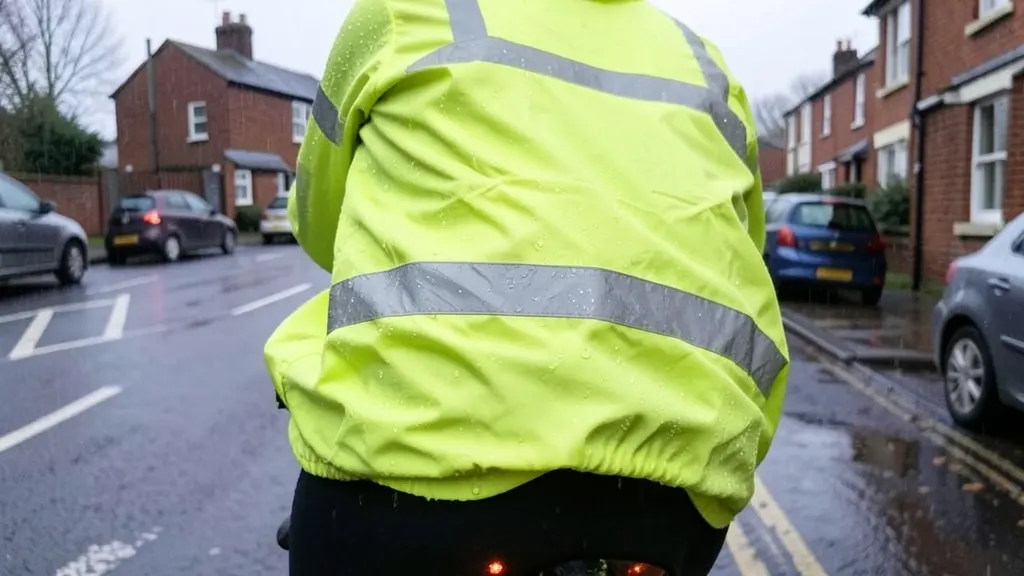
A cycling jacket should be cut for a riding position. Length at the back matters, because a hem that rides up leaves a gap at the lower back. Sleeves should be long enough that they do not pull up when you lean on the bars. Look for adjusters at the hem and cuffs, ideally with hook and loop fastenings rather than exposed elastic that loses its grip. A dropped tail and a snug but not tight fit are the signs of a jacket designed for riders rather than adapted from a workwear pattern. Be careful not to buy so oversized that flapping fabric becomes a distraction in a headwind.
Reflective tape and detailing
Check where the retroreflective material sits. Panels around the shoulders, forearms and lower back catch headlights well because they move as you pedal. Reflective piping on seams, prints on the shoulders and bands on the cuffs all add to visibility. To understand why the tape behaves so differently from the fluorescent fabric, see our guide to how reflective material works. Aim for tape that wraps around the body and sleeves rather than sitting only on the chest and back, so you stay visible from the side, which is where many junction collisions begin. Remember the law on lights is separate: Rule 60 says that at night a cycle must have white front and red rear lights lit, and a red rear reflector. A reflective cycling jacket supports those lights, never replaces them.
Use cases and trade-offs
Commuting in town
A bright, class 2 jacket with good side visibility works well on urban roads with street lighting. You want something easy to put on over work clothes, with pockets that zip shut and a hem that does not snag. In the dark, reflective detail matters more than colour, so prioritise tape coverage. Some riders prefer a black hi vis jacket, which uses reflective panels on a dark background, for a more understated look on the way to the office. Our article on black hi-vis jackets: who they suit and when explains the trade-offs, and the short version is this: black works after dark, but yellow or orange outperforms it in daylight and poor light.
Fast rural roads
On country lanes with 60 mph traffic, visibility is worth everything. Here the fluorescent background earns its keep in grey, drizzly conditions, and a generous area of reflective tape pays off as soon as headlights appear. The Highway Code advises in Rule 3 that in the dark, reflective materials such as armbands, sashes, waistcoats, jackets or footwear can be seen by drivers using headlights up to three times as far away as non-reflective materials. On fast roads, go for the highest tape coverage you can find and keep your lights running even at dusk.
Leisure, families and school runs
If you cycle with children or ride on shared paths, a class 1 or lighter garment is usually plenty, and comfort will decide how often it actually gets worn. Parents often ask whether children need the same kit, and the honest answer is that fit and willingness to wear it count for more than class numbers. See our piece on kids hi vis jackets: myths and facts for that discussion.
The trade-off in one line
More coverage usually means more weight, heat and cost. Choose the lightest jacket that still gives you the class and tape you need for your roads and hours.
Care and when to replace
Two things kill hi-vis: dirt and washing damage. Greasy road grime yellows fluorescent fabric and masks reflective tape, so clean your jacket regularly following the care label. Close all zips and fastenings before washing, use a gentle detergent, and avoid fabric conditioner, which can leave a film over retroreflective material. Do not tumble dry unless the label says you can, and never iron over tape. Health and Safety Executive guidance on reusable PPE makes the same point for work jackets: they must be cleaned regularly and kept in good condition, with any loss, destruction or obvious defect reported. That advice transfers well to cycling kit.
Replace the jacket when the fluorescent colour has faded noticeably, when reflective tape stays dull under a torch or car headlights, or when the fabric is worn thin, torn or no longer repels rain. Seams that gape, cuffs that have lost elasticity and zips that will not stay shut are all signs the garment has had its day. A useful test: shine a phone torch at the tape in a dark room and compare it with a new garment if you can. Old tape that barely glows is not protecting you.
Finally, remember that a jacket is one part of a system. Keep your lights charged, obey traffic signals as Rule 69 requires, and add reflective ankle bands, which catch drivers' eyes because they move as you pedal. Buy the right jacket, look after it, and replace it when it stops doing its job.
Frequently asked questions
Do I need a class 3 hi vis jacket for cycling?
Usually not. Class 3 under EN ISO 20471 requires at least 0.80 m2 of fluorescent material and 0.20 m2 of retroreflective material, which is designed for high-risk situations such as working on fast roads. Most commuters are well served by a class 2 jacket, which requires 0.50 m2 of fluorescent and 0.13 m2 of retroreflective material. Class 1 is often enough for lit urban streets.
Is fluorescent or reflective material more important for cycling?
They work at different times. Fluorescent colours help drivers see you in daylight and poor light, which is why a bright yellow or orange jacket works well on grey mornings. Retroreflective tape only shines when a light source hits it, so it matters most after dark. The Highway Code advises in Rule 3 that in the dark, reflective materials can be seen by drivers using headlights up to three times as far away as non-reflective materials. The best cycling jacket has plenty of both.
Can a hi-vis jacket replace bike lights?
No. Rule 60 of the Highway Code says that at night a cycle must have white front and red rear lights lit, and a red rear reflector. A reflective cycling jacket adds visibility, especially from the side and for moving parts of your body, but lights are a legal requirement and do a job no jacket can. Run both together.
How should I wash a high visibility cycling jacket?
Clean it regularly, because grime dulls both the fluorescent colour and the reflective tape. Follow the care label, close zips and fastenings, use a gentle detergent and skip fabric conditioner, which can coat retroreflective material. Air dry rather than tumble dry unless the label allows it, and never iron over tape.
When should I replace my hi-vis cycling jacket?
Replace it when the fluorescent colour has visibly faded, the tape no longer glows under headlights or a torch, or the fabric is torn or worn thin. Lost cuff elasticity, gaping seams and broken zips are also signs it has had its day. A regular clean extends its life, but dirt and washing eventually take their toll on every hi-vis garment.