Understanding hi-vis classes and the EN ISO 20471 standard
Last updated
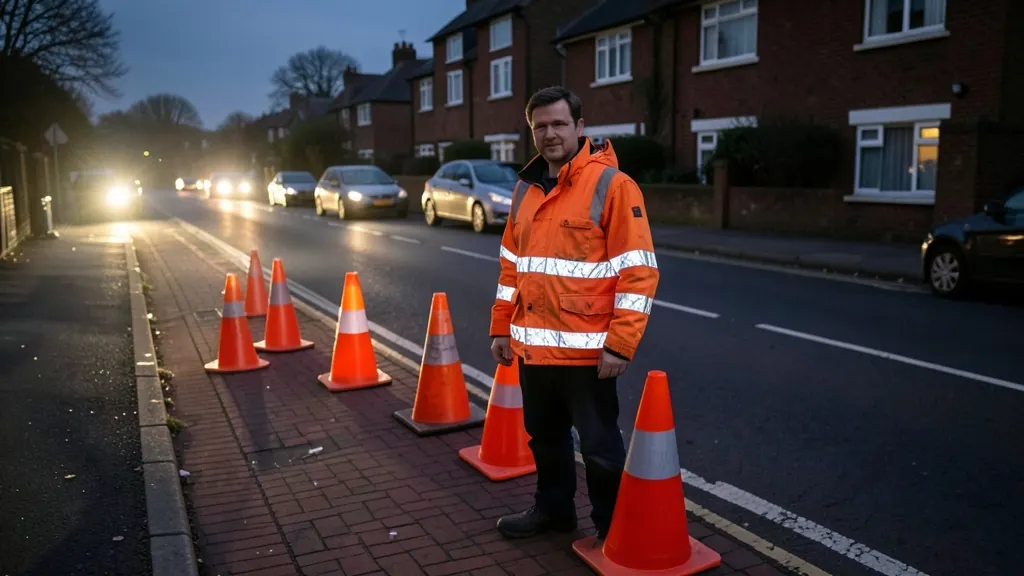
If you have ever shopped for a hi-vis jacket, you will have seen labels mentioning EN ISO 20471 and a class number. This guide explains what those classes mean, how the standard works, and how to choose the right class for work, cycling or walking in the UK.
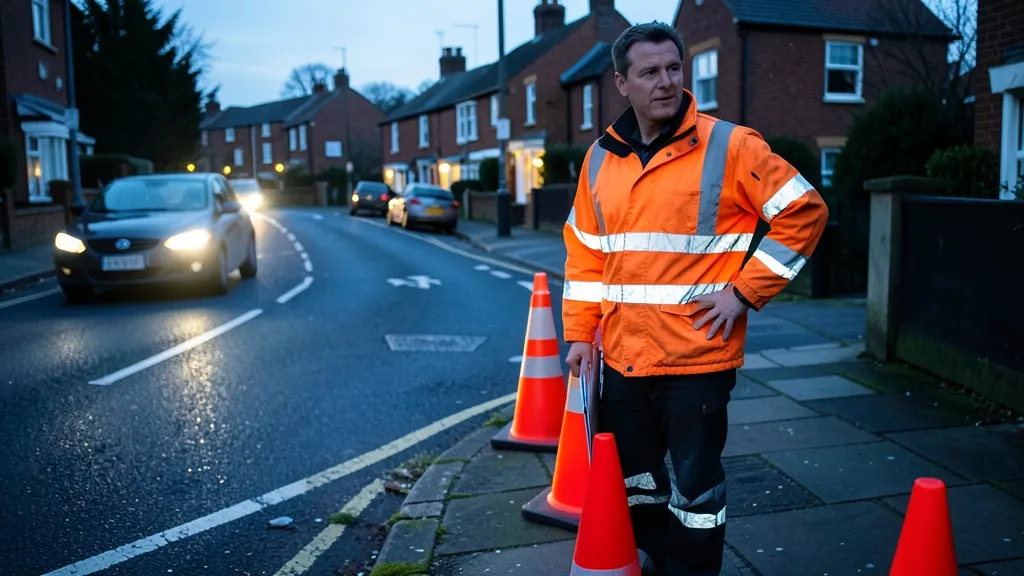
What EN ISO 20471 actually is
EN ISO 20471 is the standard that defines what counts as high visibility clothing. When a garment carries this label, it has been tested to confirm it makes the wearer more visible. The standard does not care about style or price. It cares about two things: how much bright fluorescent material the garment has, and how much retroreflective material it has.
The fluorescent background material is the yellow, orange or red fabric that shows up strongly in daylight and poor light. The retroreflective bands are the silver strips that bounce headlight beams straight back towards drivers after dark. A garment only qualifies as high visibility when it meets minimum areas of both materials, laid out in the standard.
How many classes of high visibility clothing are there
There are three classes of high visibility clothing under the standard, and the class number tells you how much visible material the garment contains. Class 3 is the highest, and the numbers climb from class 1 upwards.
Class 1
Class 1 is the lowest level. A class 1 garment must have at least 0.14 square metres of fluorescent background material and 0.10 square metres of retroreflective material. That is quite a small amount, so class 1 suits low-risk situations, such as trousers worn alongside a class 3 jacket, or activities where the wearer can step away from traffic.
Class 2
Class 2 is the middle level and the most common choice for everyday workwear. It requires at least 0.50 square metres of fluorescent background material and 0.13 square metres of retroreflective material. Typical class 2 items include sleeveless tabards and waistcoats, which is why you see warehouse staff and delivery drivers wearing them. If you commute by bike or walk the dog after dusk, a class 2 vest is often a sensible minimum.
Class 3
Class 3 is the highest class, with at least 0.80 square metres of fluorescent background material and 0.20 square metres of retroreflective material. To reach those areas, a garment normally needs sleeves as well as a body, so class 3 usually means a jacket or coat with full-length sleeves and reflective bands on the arms, chest and legs if worn as a two-piece. Motorway workers, traffic officers and railway trackside staff are the classic class 3 users.
It is worth knowing that a two-piece outfit, such as a class 2 jacket with class 2 trousers, can sometimes deliver class 3 body coverage when worn together. The label on a single garment tells you about that garment alone.
How the classes apply in practice in the UK
At work, hi-vis counts as personal protective equipment (PPE). Under the Personal Protective Equipment at Work Regulations 1992, employers must ensure suitable PPE is provided to workers exposed to a risk to their health or safety, unless the risk is adequately controlled by other means. Since 6 April 2022 those duties have also covered limb (b) workers, and the employer must provide the PPE free of charge. In practice, that means an employer must assess the risk and pick a suitable class: a quiet yard may justify class 2, while night work near live traffic points to class 3. If you want more detail on workplace duties, see When hi-vis is required at work in the UK.
The Health and Safety Executive (HSE) adds some practical rules on upkeep. Reusable PPE must be cleaned and kept in good condition, and hi-vis jackets, trousers and coveralls must be cleaned regularly. Workers must report any loss, destruction or obvious defect, because a filthy or faded jacket no longer performs as the standard intends.
Some sectors add their own requirements. SATRA, a UK PPE testing body, notes that the rail standard RIS-3279-TOM requires an orange colour and garments meeting at least class 2 of EN ISO 20471. So if you work trackside, orange is not a fashion choice, it is a rule.
Outside work, the Highway Code encourages visibility rather than demanding it. Rule 3 advises you to help other road users to see you, and notes that in the dark, reflective materials such as armbands, sashes, waistcoats, jackets or footwear can be seen by drivers using headlights up to three times as far away as non-reflective materials. Rule 17 says that at night you should wear something reflective. For cyclists, Rule 59 suggests light-coloured or fluorescent clothing in daylight and poor light, and reflective clothing or accessories such as belts, arm or ankle bands in the dark. Rule 60 requires a white front light, a red rear light and a red rear reflector at night, so lights and hi-vis go together, not instead of each other. Motorcyclists get similar advice: Rule 86 suggests making yourself visible from the side as well as the front and rear, for example with fluorescent clothing or strips, and Rule 87 recommends reflective clothing or strips when riding in the dark.
For everyday activities, pick the class to match your surroundings. A runner on unlit lanes might choose a class 2 vest with reflective detailing, as explained in What to wear running in the dark: a practical guide. Dog walkers face the same problem of dark paths and fast country lanes, covered in Dog walking at night: staying visible. Horse riders and school-run parents have their own considerations, and you can read about those in Hi-vis for horse riders on the road and Hi-vis for school children.
Where to read more
The standard itself is published as EN ISO 20471, and the version on sale will tell you the full technical requirements if you need them. For most people, though, the class number on the label is enough. Look for the standard code printed on the garment label, check the class figure next to it, and match that class to where you will be wearing it. Remember that the class reflects material areas, not colour choice, so pick yellow or orange to suit your environment, and add lights on your bike or reflective strips on your motorcycle as the Highway Code advises.
Frequently asked questions
How many classes of high visibility clothing are there?
There are three classes under EN ISO 20471. Class 1 is the lowest level, class 2 is the middle level and the most common for general workwear, and class 3 is the highest. The class number reflects the minimum area of fluorescent and retroreflective material the garment contains.
What is the difference between class 2 and class 3 hi-vis?
Class 2 needs at least 0.50 square metres of fluorescent background material and 0.13 square metres of retroreflective material. Class 3 needs at least 0.80 square metres of fluorescent material and 0.20 square metres of retroreflective material. Class 3 garments usually have sleeves to reach those areas, which is why they tend to be jackets rather than vests.
Is EN 20471 the same as EN ISO 20471?
They are the same standard, with the ISO in the later name reflecting its status as an international standard rather than a purely national one. Garment labels may show either form of the code, and the class numbers work the same way under both.
Does the law say I must wear hi-vis when cycling at night?
No, the Highway Code advises rather than requires it. Rule 59 suggests fluorescent clothing in daylight and poor light, and reflective clothing or accessories in the dark. Rule 60 does require a white front light, a red rear light and a red rear reflector at night, so lights are the legal part of the equation.
How should I look after hi-vis clothing to keep its class valid?
HSE guidance says reusable PPE must be cleaned and kept in good condition, and that hi-vis jackets, trousers and coveralls must be cleaned regularly. Wash according to the label, avoid fabric conditioners that can clog reflective material, and report any loss, destruction or obvious defect so the garment can be replaced.