Waterproof hi-vis jackets: sorting the myths from the facts
Last updated
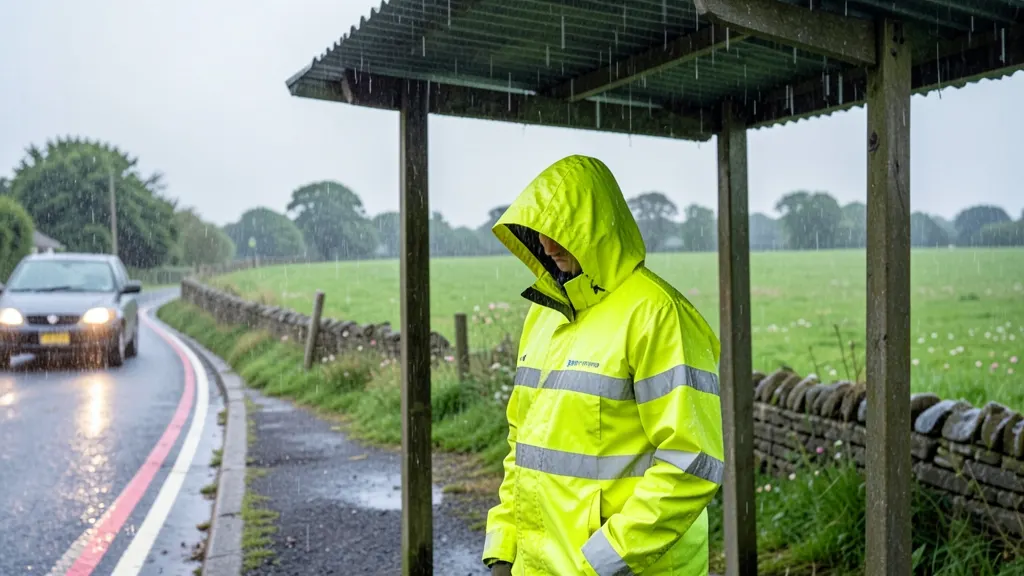
The single most common misconception about waterproof hi-vis jackets is that the waterproofing somehow does the visibility work. People see a bright yellow shell with sealed seams and assume that being seen is guaranteed, rain or shine, day or night. In fact, visibility and waterproofing are two separate jobs, and only one of them is covered by the hi-vis standard.
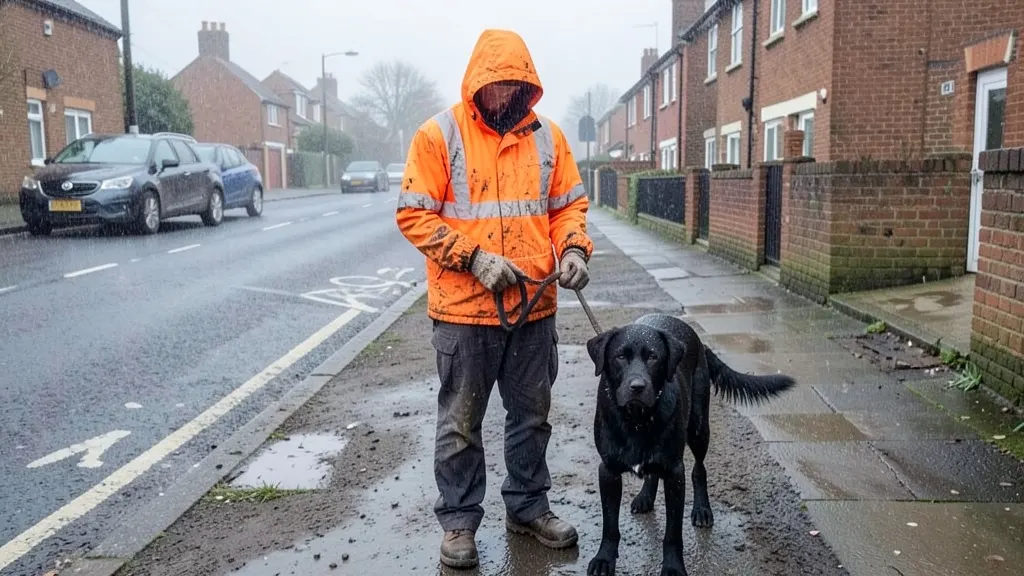
What the standard actually covers
EN ISO 20471, the standard behind hi-vis clothing, is about how visible a garment is, not how dry it keeps you. It has three classes. Class 1 needs at least 0.14 m2 of fluorescent background material and 0.10 m2 of retroreflective material. Class 2 requires 0.50 m2 of fluorescent material and 0.13 m2 of retroreflective material. Class 3, the highest class, needs at least 0.80 m2 of fluorescent background and 0.20 m2 of retroreflective material.
Notice the word retroreflective. Fluorescent fabric works in daylight and poor light, but in the dark it does very little on its own. Reflective bands are what headlights pick up. The Highway Code makes the point directly: reflective materials such as jackets, armbands, sashes, waistcoats or footwear can be seen by drivers using headlights up to three times as far away as non-reflective materials. So a rain hi vis jacket with faded or missing reflective bands is only doing half the job, even if the yellow looks vivid.
A second common misconception is that any bright yellow jacket is a hi-vis jacket. Ordinary waterproofs in yellow or orange have no fluorescent or retroreflective material at all. If visibility matters on your route, look for the EN ISO 20471 mark and the class number on the label.
Three more myths worth clearing up
Myth 1: a waterproof jacket is automatically a breathable hi vis jacket
Waterproofing and breathability are separate features. Some rain hi vis jackets are fully waterproof but hold sweat inside, which on a commute or a long dog walk leaves you damp from the inside instead of the outside. If you will be working or moving hard in the jacket, look for a breathable hi vis jacket with ventilation, and expect a trade-off: more breathability usually means slightly less heavy-duty waterproofing.
Myth 2: waterproofing lasts the life of the garment
Coatings and membranes wear out, and dirt speeds that up. HSE guidance is clear that reusable PPE must be cleaned and kept in good condition, and that hi-vis jackets, trousers and coveralls must be cleaned regularly. Workers must also report any loss, destruction or obvious defect. A jacket that has lost its beading or gone grey and patchy may still be waterproof for a shower, but it is past its best for a full shift in the rain. When the fluorescent fabric fades or the reflective bands stop catching headlights, the garment no longer meets its original class in practice, whatever the label says.
Myth 3: hi-vis rules only apply to workers
For employers, the Personal Protective Equipment at Work Regulations 1992 require suitable PPE to be provided to workers exposed to a risk to their health or safety, unless the risk is adequately controlled by other means. Since 6 April 2022 those duties also cover limb (b) workers, and the employer must provide the PPE free of charge. For everyone else, hi-vis clothing is advisory rather than compulsory, but the Highway Code advice still applies. Rule 59 tells cyclists that light-coloured or fluorescent clothing helps in daylight and poor light, while reflective clothing or accessories can increase visibility in the dark. Rule 60 requires a white front light, a red rear light and a red rear reflector at night, so a jacket alone is never the whole answer for cycling.
What to do instead
Start with where and when you will wear the jacket. If you work near traffic, especially in low light or at night, aim for class 3. If you need the garment for railway work, note that rail standard RIS-3279-TOM, as described by UK testing body SATRA, requires an orange colour and at least class 2 of EN ISO 20471.
Next, check that waterproofing and visibility are both properly certified. Look for the EN ISO 20471 class on the label, feel for a storm flap over the zip, and check the hood. A hood that will not sit over a helmet or a cap is a nuisance on a wet commute.
Then treat breathability as a real buying decision, not a bonus. A breathable hi vis jacket costs a little more effort to choose but pays off on longer wear. Mesh-lined designs and underarm vents help if you run warm.
Finally, care for the jacket so both functions survive. Wash it as the label instructs, because regular cleaning is part of keeping hi-vis PPE in good condition, and check the reflective bands under a torch or headlights from time to time. Replace the jacket when the fluorescent colour greys out or the reflective material stops working, not just when the seams leak.
If you are choosing for a specific activity, our guides can help: Hi-vis jackets: how to choose the right one covers the basics, Hi-vis jackets for cycling: a buyer's guide deals with the fit and layering issues specific to riding, and Class 3 hi vis jackets: myths and facts goes deeper on the top class. Dog walkers might prefer Hi-vis jackets for dog walking: how to choose.
Frequently asked questions
Is a waterproof hi vis jacket the same as a high visibility jacket?
A waterproof high visibility jacket should meet EN ISO 20471 as well as being waterproof, but the two features are separate. Waterproofing keeps rain out, while the hi-vis standard covers fluorescent and retroreflective material areas. Always check the label for the standard and class number rather than assuming the colour alone is enough.
What class of hi-vis do I need in the rain?
It depends on the risk. Class 3, with at least 0.80 m2 of fluorescent material and 0.20 m2 of retroreflective material, is the highest class and suits work near fast traffic or in low light. Class 2 is a common choice for lower-risk sites, and railway standard RIS-3279-TOM requires orange garments meeting at least class 2.
Do waterproof hi-vis jackets stay visible at night?
Only the retroreflective bands really work at night, because they are what headlights pick up. The Highway Code notes that reflective materials can be seen by drivers up to three times as far away as non-reflective ones. If your jacket's reflective bands are worn or faded, replace it.
How do I keep a rain hi vis jacket working properly?
Clean it regularly and keep it in good condition, which HSE guidance requires for hi-vis PPE. Follow the wash instructions, avoid harsh detergents that strip coatings, and check the reflective strips and waterproofing after washing. Report or replace any jacket with obvious defects.
Are waterproof hi-vis jackets legally required for cyclists or walkers?
No, hi-vis clothing is advisory for the public. The Highway Code advises light-coloured or fluorescent clothing in daylight and poor light, and reflective clothing or accessories in the dark. Cyclists must have working lights and a red rear reflector at night under Rule 60.