Women's hi-vis jackets: what to look for and how to choose
Last updated
What a women's hi-vis jacket is and who it suits
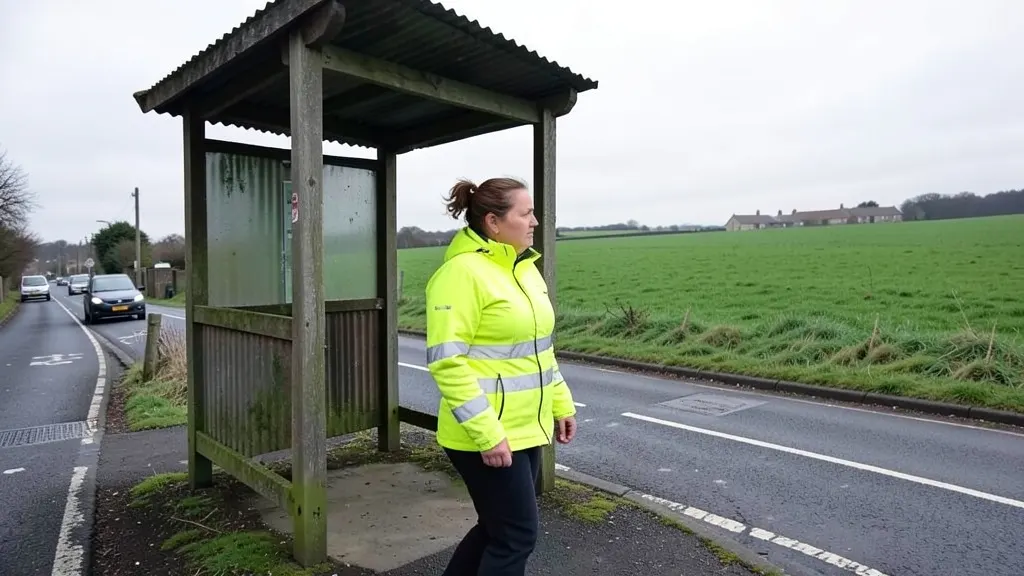
A women's hi-vis jacket does the same job as any high visibility jacket: it makes you easier to see, day or night, by combining fluorescent background material with retroreflective tape. The difference is in the cut. A ladies hi vis jacket is shaped for a narrower shoulder, a smaller collar and more room at the hip, so it fits properly instead of hanging off you or pulling tight across the chest.
Fit matters more than it sounds. A baggy unisex jacket can ride up when you cycle, flap about on a motorbike and hide your shape entirely at work. A well cut womens high visibility jacket stays put and keeps the reflective tape where it should be, at the points a driver's headlights will pick up.
This style suits site workers, warehouse staff, cyclists, runners, dog walkers and parents doing the school run in gloomy weather. It also suits anyone who has simply found unisex sizing uncomfortable and wants a fitted hi vis jacket women can wear all day without fuss.
What to check before buying
Class
Hi-vis garments in the UK are graded under EN ISO 20471, which has three classes. The classes are based on how much visible material the garment contains. The minimum fluorescent background area is 0.14 m2 for class 1, 0.50 m2 for class 2 and 0.80 m2 for class 3. The minimum retroreflective area rises from 0.10 m2 through 0.13 m2 to 0.20 m2 across the same classes.
Class 3 is the highest, with at least 0.80 m2 of fluorescent background material and 0.20 m2 of retroreflective material. If you work on or near live traffic, or you ride on fast roads, class 3 is what you want. For lower-risk settings such as a warehouse yard or a school run, class 2 is often enough. Our Class 3 hi vis jackets: myths and facts page goes into more detail.
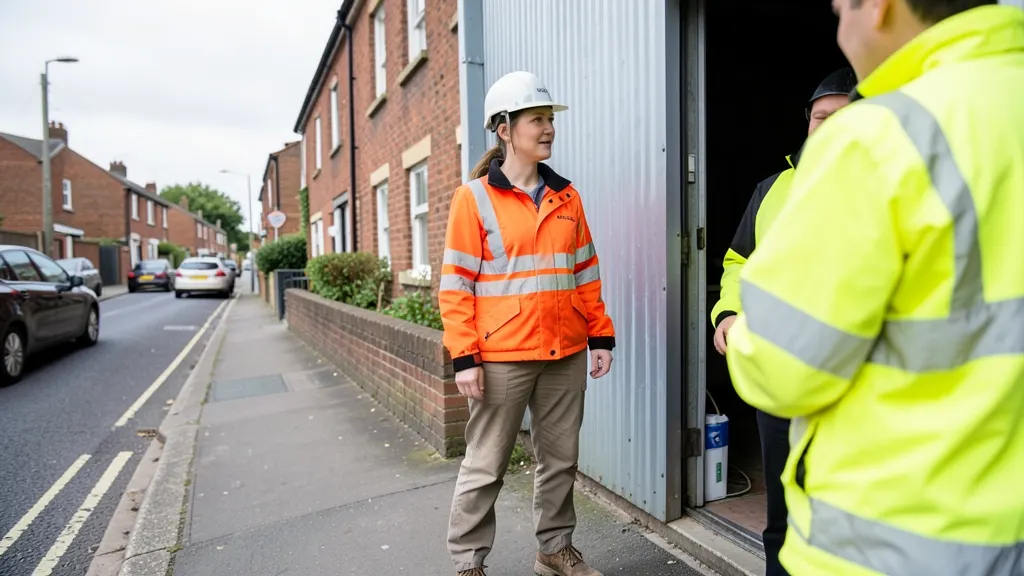
Some workplaces follow a specific standard. SATRA, a UK PPE testing body, states that rail standard RIS-3279-TOM requires an orange colour and garments that meet at least class 2 of EN ISO 20471. If you work on the railways or visit rail property, check this before buying anything in yellow or pink.
Fit
A fitted hi vis jacket women can move in should sit close without binding. Try it over the layers you actually wear. If you size up for a fleece underneath, check that the sleeves still reach your wrists when you reach forward, as this is the position on a bike or when gripping tools.
Fabric
Most hi-vis jackets are polyester, often coated to keep rain out. Think about breathability if you will be working hard or running, and about warmth if you will be standing still. A shell you can layer under suits changeable British weather better than one heavily padded jacket.
Reflective tape
Look for tape around the body, over the shoulders and down the sleeves. The Highway Code advises, under Rule 3, that in the dark reflective materials such as armbands, sashes, waistcoats or jackets can be seen by drivers using headlights up to three times as far away as non-reflective materials. More tape, sensibly placed, is generally better than less. If you cycle, Rule 59 makes the same point: fluorescent clothing helps in daylight and poor light, while reflective clothing or accessories increase visibility in the dark.
Common use cases and trade-offs
Cycling. A bright, breathable shell with plenty of reflective detail works well. Remember that at night your bike must show a white front light, a red rear light and a red rear reflector, as Rule 60 requires. The jacket is a layer of defence, not a substitute for lights. Our Hi-vis jackets for cycling: a buyer's guide covers this in depth.
Dog walking. Early mornings and dark evenings on unlit lanes are exactly where hi-vis earns its keep, and a comfortable, showerproof jacket is the practical choice. See Hi-vis jackets for dog walking: how to choose.
Work. If you are being issued kit, note that under the Personal Protective Equipment at Work Regulations 1992 employers must provide suitable PPE to workers exposed to a health or safety risk unless the risk is adequately controlled by other means. Since 6 April 2022 those duties also cover limb (b) workers, and the employer must provide the PPE free of charge. If a women's cut is what fits you properly, that is what suitable means.
Everyday wear. Some people prefer the understated look of a black hi-vis jacket with reflective detailing. Our Black hi-vis jackets: who they suit and when page explains where they work and where they do not. The trade-off is simple: black garments rely almost entirely on the reflective parts, so they are weaker in daylight.
For broader guidance on the whole category, start with Hi-vis jackets: how to choose the right one.
Care and when to replace
HSE guidance says reusable PPE must be cleaned and kept in good condition, and that hi-vis jackets, trousers and coveralls must be cleaned regularly. Follow the wash label, close the zips and velcro first, and avoid fabric conditioner, which can clog the reflective tape and dull the fluorescent fabric.
Inspect the jacket every so often. If the background material has faded to a washed-out shade, the tape has cracked or peeled, or the garment no longer closes properly, replace it. Workers have a duty to report any loss, destruction or obvious defect, so on site this is not optional. A hi-vis jacket that no longer looks bright is not doing its job, and a cheap replacement beats a costly assumption that drivers saw you.
Frequently asked questions
What is the difference between a women's hi-vis jacket and a unisex one?
A ladies hi vis jacket is cut for a narrower shoulder, smaller collar and more room at the hip, so it fits without gaping or riding up. The visibility materials and the EN ISO 20471 classes are the same. Fit matters because tape that sits correctly on the body is what headlights actually pick up.
Which class of hi-vis jacket should a woman buy?
EN ISO 20471 has three classes, based on the area of fluorescent and retroreflective material. Class 3, with at least 0.80 m2 of fluorescent background and 0.20 m2 of retroreflective material, suits work near live traffic and riding on fast roads. Class 2 is often enough for lower-risk settings such as yards, warehouses and the school run.
Does my employer have to provide a women's hi-vis jacket?
Under the Personal Protective Equipment at Work Regulations 1992, employers must provide suitable PPE to workers exposed to a health or safety risk unless it is controlled by other means. Since 6 April 2022 the duties also cover limb (b) workers, and the PPE must be provided free of charge. If a women's cut is what fits you, ask for it.
Is a pink or black hi-vis jacket as safe as a yellow one?
Pink fluorescent garments can still meet EN ISO 20471, but check the label for the class rather than the colour. Black hi-vis jackets rely on their reflective parts and are weaker in daylight. If you work on the railways, SATRA notes that rail standard RIS-3279-TOM requires an orange colour meeting at least class 2.
How often should I wash and replace my hi-vis jacket?
HSE guidance says reusable PPE must be cleaned and kept in good condition, with hi-vis jackets cleaned regularly. Wash per the label, avoid fabric conditioner, and replace the jacket when the colour fades, the tape cracks or the fit fails. Workers must report any loss or obvious defect.