Yellow hi-vis jackets
Last updated
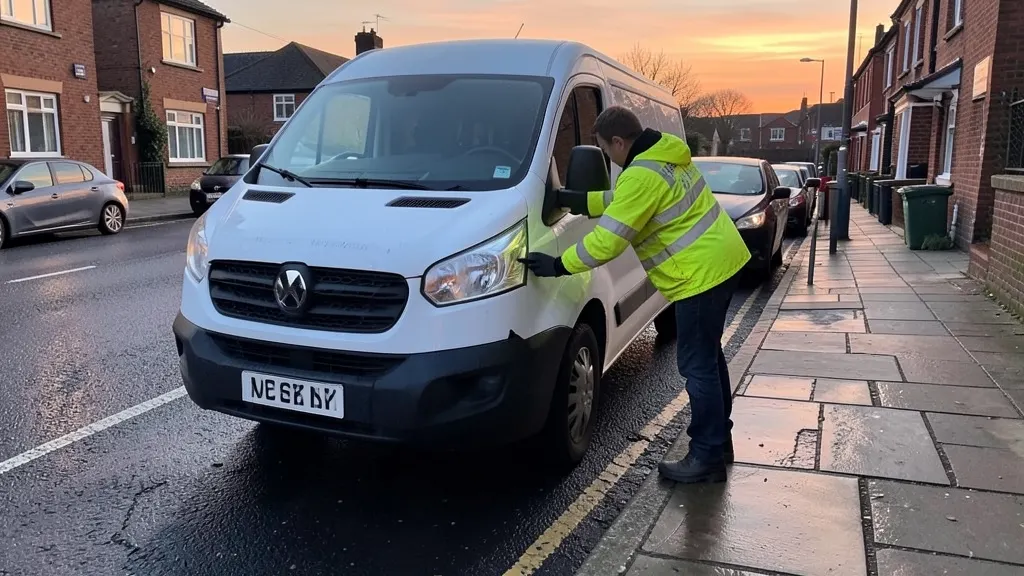
A yellow hi vis jacket is the garment most people picture when they hear the words high visibility clothing. The fluorescent yellow background, paired with grey retroreflective tape, is the standard look on UK roads, building sites and school runs. This guide explains what a high visibility yellow jacket does, what to check before you buy one, and how to keep it working properly.
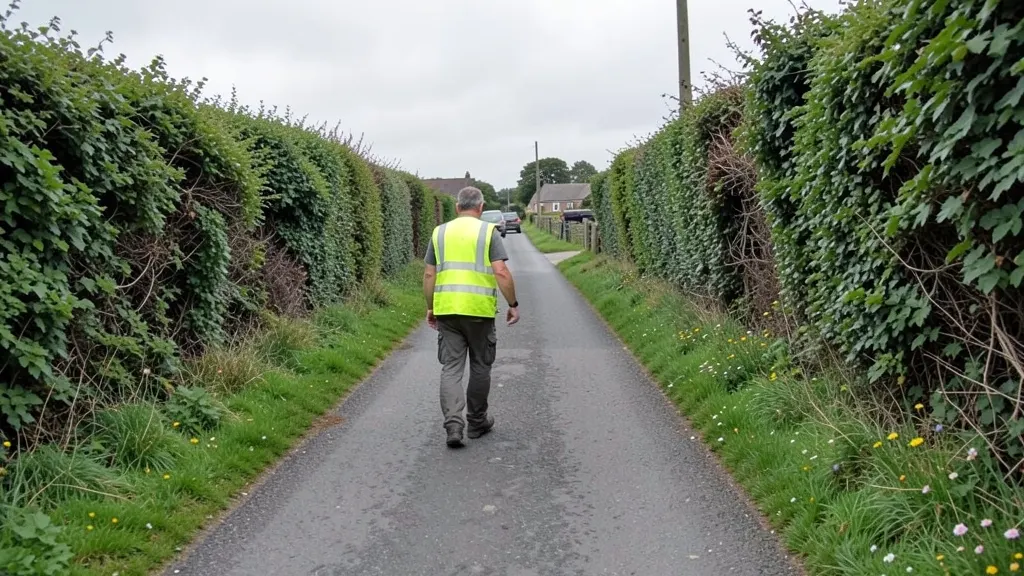
What a yellow hi-vis jacket is and who it suits
A fluorescent yellow jacket works in two ways. The fluorescent material takes ultraviolet light and sunlight and throws it back as a bright, glowing yellow that stands out in daylight and poor light. The reflective tape is a different material entirely, designed to bounce headlight beams straight back at drivers after dark. Both parts need to be present and in good condition for the jacket to do its job.
This makes a yellow hi viz jacket a good fit for a wide range of people. Site workers and roadside operatives wear them daily. Cyclists and commuters rely on them in poor light. Dog walkers, horse riders and parents on the school run use them on rural lanes and dark mornings. If you work in an environment where the railway orange colour is not required, yellow is the most common choice, and it stands out well against grey tarmac, green hedgerows and muddy fields.
For help choosing between the general categories, see Hi-vis jackets: how to choose the right one. If you are weighing yellow against orange, Orange or yellow hi-vis: which is better? covers that comparison in detail.
What to check before buying
Class
EN ISO 20471 sets three classes, and the class tells you how much visible material a garment must have. Minimum fluorescent background areas are 0.14 m2 for class 1, 0.50 m2 for class 2 and 0.80 m2 for class 3. Minimum retroreflective areas are 0.10, 0.13 and 0.20 m2 respectively. Class 3 is the highest class, with at least 0.80 m2 of fluorescent background and 0.20 m2 of retroreflective material.
As a rough rule, class 1 suits low-risk situations, class 2 suits most road and site work, and class 3 is intended for the highest-risk settings such as motorways and night work on the roads. Our Class 3 hi vis jackets: myths and facts page covers that level in more depth. Note that RIS-3279-TOM, the rail industry standard, requires an orange colour and at least class 2 of EN ISO 20471, so yellow is not acceptable for trackside railway work.
Fabric
Most yellow hi-vis jackets use a polyester shell, sometimes with a waterproof coating and a mesh or lined back for comfort. Heavier coated fabrics last longer and shrug off rain, but they can get sweaty during physical work. Lighter options breathe better but may wear out faster. Check whether the garment is waterproof, water resistant or showerproof, because those words do not mean the same thing in practice.
Fit
Fit matters more than people expect. A jacket worn over jumpers or work layers needs enough room without flapping, because loose fabric can cover the reflective tape or snag on machinery. Look for adjustable cuffs and a drawcord hem. If you cycle in it, a slightly longer back keeps your lower back covered when leaning forward.
Reflective tape
Check the tape placement, not just the amount. Good designs put bands around the body and over the shoulders so you are visible from all angles. The Highway Code advises motorcyclists to make themselves as visible as possible from the side as well as the front and rear, and the same logic applies to everyone. Tape that is cracked, peeling or badly faded will not reflect properly.
Common use cases and the trade-offs
Cyclists are advised by Highway Code Rule 59 that light-coloured or fluorescent clothing helps other road users see a cyclist in daylight and poor light, while reflective clothing or accessories increase visibility in the dark. A yellow hi-vis jacket covers the daylight job well, but for night riding you also need lights: Rule 60 requires a white front light and red rear light lit at night, plus a red rear reflector. Our Hi-vis jackets for cycling: a buyer's guide page goes into this in depth.
For dog walkers, the same jacket that keeps you visible on a dark lane also helps drivers spot you at junctions, and a matching coat for the dog adds extra insurance. See Hi-vis jackets for dog walking: how to choose.
For workers, the Personal Protective Equipment at Work Regulations 1992 require employers to provide suitable PPE to workers exposed to a risk to health or safety, unless the risk is adequately controlled by other means. Since 6 April 2022 those duties also cover limb (b) workers, and the employer must provide the PPE free of charge. So if you are employed and need a yellow hi-vis jacket for work, your employer should be supplying it.\n The main trade-off with yellow is that it shows dirt quickly, and a filthy jacket loses much of its fluorescent effect. The main trade-off with hi-vis generally is that it helps drivers see you but does nothing to protect you in a collision, so it works best alongside lights, sensible positioning and predictable behaviour.
Care and when to replace
HSE guidance says reusable PPE must be cleaned and kept in good condition, and that hi-vis jackets, trousers and coveralls must be cleaned regularly. Workers must report any loss, destruction or obvious defect. In practice, that means washing your jacket according to the label, avoiding fabric conditioner, which can clog the reflective tape, and not tumble drying unless the care label allows it.
Replace the jacket when the fluorescent yellow has faded to a washed-out cream, when the reflective tape has cracked or peeled, or when the fabric has holes or worn patches. A quick test is to look at the jacket in daylight from a distance, then shine a torch at the tape in a dark room. If the yellow no longer glows or the tape no longer flashes back brightly, it is time for a new one.
Frequently asked questions
Is a yellow hi-vis jacket better than an orange one?
Neither colour is universally better. Yellow stands out well against grey roads and green countryside, which suits most road and site work. Orange is required for railway work under RIS-3279-TOM, so it is a matter of matching the colour to the setting and any rules that apply.
What class of yellow hi vis jacket do I need?
EN ISO 20471 has three classes. Class 1, with a minimum of 0.14 m2 of fluorescent material, suits low-risk situations. Class 2, with at least 0.50 m2, is the common choice for road and site work. Class 3, with at least 0.80 m2 of fluorescent and 0.20 m2 of reflective material, is for the highest-risk settings.
Does my employer have to provide my hi-vis jacket?
Under the Personal Protective Equipment at Work Regulations 1992, employers must provide suitable PPE to workers exposed to a health or safety risk unless it is controlled by other means. Since 6 April 2022 the duties also cover limb (b) workers, and the employer must provide the PPE free of charge.
How far away can drivers see reflective tape?
The Highway Code states that reflective materials such as jackets, armbands and sashes can be seen by drivers using headlights up to three times as far away as non-reflective materials. That is why the reflective tape matters as much as the fluorescent yellow, especially after dark.
How often should I wash my yellow hi-vis jacket?
HSE guidance says hi-vis garments must be cleaned regularly and kept in good condition. How often depends on use, but a jacket worn daily on site should be washed weekly or whenever it is visibly dirty, following the care label and avoiding fabric conditioner.