Orange or yellow hi-vis: which is better?
Last updated
What you are deciding and what you need to know
Choosing between orange and yellow hi-vis comes down to where you wear it and who needs to see you. Both colours work because they use fluorescent material that stands out in daylight and poor light, plus retroreflective strips that light up under headlights in the dark. The base colour is only one part of the equation. The class of garment, the condition of the fabric and the setting all matter as much as the shade.
Before you choose, it helps to know that hi-vis sold as safety clothing in the UK is usually certified to EN ISO 20471. This standard has three classes. Class 1 is the lowest, with a minimum fluorescent background area of 0.14 m2 and a minimum retroreflective area of 0.10 m2. Class 2 needs at least 0.50 m2 of fluorescent background and 0.13 m2 of retroreflective material. Class 3, the highest, requires at least 0.80 m2 of fluorescent background and 0.20 m2 of retroreflective material. You can read more about the classes in our guide to EN ISO 20471 classes.
Step by step: choosing the right colour
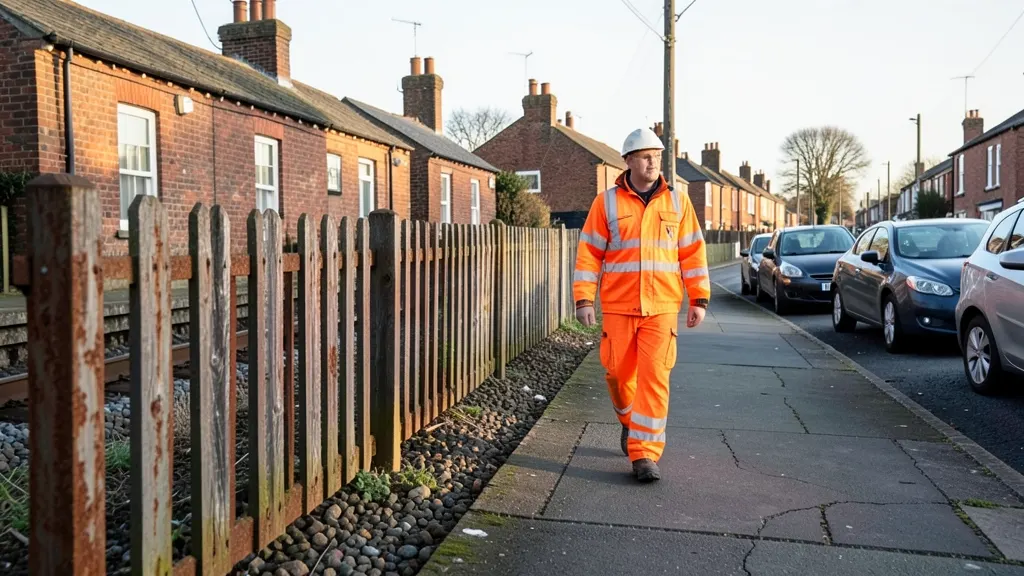
Check for a colour rule in your workplace or industry. Some sectors fix the colour for you. SATRA, a UK PPE testing body, states that rail standard RIS-3279-TOM requires an orange colour and garments meeting at least class 2 of EN ISO 20471. If you work on or near the railways, orange is not a preference, it is a requirement. Many road and motorway crews also use orange, partly to stand out against yellow road markings, signs and lighting.
Think about your background. Yellow hi-vis suits grey, green and brown environments, which is why it is so common for walkers, cyclists and school runs in built-up areas. Orange tends to pop against blue sky, green verges and grey tarmac, and it avoids blending with yellow street furniture. On a foggy or misty morning, both fluorescent colours outperform ordinary clothing, so the class of garment often matters more than the shade.
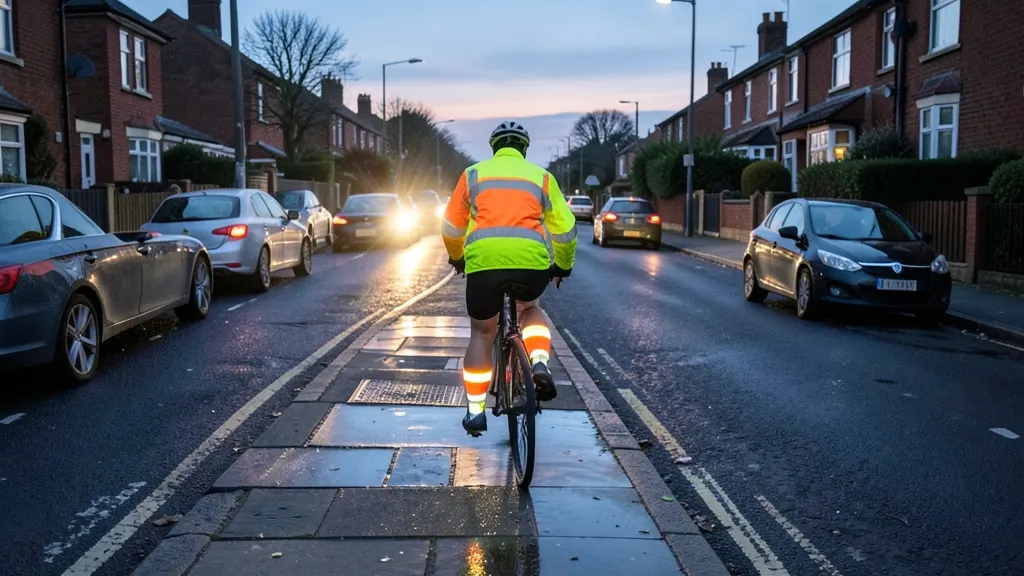
Match the colour to the time of day you need to be seen. The Highway Code, Rule 59, says light-coloured or fluorescent clothing can help other road users see a cyclist in daylight and poor light, while reflective clothing or accessories such as belts, arm or ankle bands increase visibility in the dark. The colour of the fluorescent background matters most in daylight. At night, what drivers see is the retroreflective material, which reflects headlight glare. In the dark, reflective armbands, sashes, waistcoats, jackets or footwear can be seen by drivers using headlights up to three times as far away as non-reflective materials, according to Rule 3 of the Highway Code.
Check the class matches your risk. If you work on a road, near traffic, or around moving plant, a class 2 vest may not be enough. Class 3 jackets and trousers give the largest fluorescent and reflective areas. Employers have duties here. Under the Personal Protective Equipment at Work Regulations 1992, employers must provide suitable PPE to workers exposed to a risk to health or safety, unless the risk is adequately controlled by other means. Since 6 April 2022, these duties also cover limb (b) workers, and the employer must provide the PPE free of charge.
Add reflective accessories for night use. Cyclists and runners should remember that the colour of the garment is only part of the setup. Rule 60 of the Highway Code says that at night a cycle must have white front and red rear lights lit, plus a red rear reflector. Hi-vis supports your lights, it does not replace them. For practical kit suggestions, see our guide to reflective running gear for the dark.
Consider the other road users around you. Horse riders and motorcyclists have their own needs. Rule 86 advises motorcyclists to make themselves as visible as possible from the side as well as the front and rear, for example with fluorescent clothing or strips. Rule 87 says that when riding in the dark, motorcyclists should wear reflective clothing or strips. Horse riders face a similar visibility challenge, as we explain in our guide to hi-vis for horse riders on the road.
Common mistakes and how to fix them
The most common mistake is treating hi-vis as a one-time purchase that never gets checked. Fluorescent material fades and retroreflective strips stop working when they are worn, dirty or cracked. Clean garments regularly. HSE guidance says reusable PPE must be cleaned and kept in good condition, and that hi-vis jackets, trousers and coveralls must be cleaned regularly. Workers must report any loss, destruction or obvious defect.
Another mistake is relying on a fluorescent colour alone for night use. A bright yellow jacket with no reflective banding will almost vanish in headlight glare. If you walk the dog after dark, pair your fluorescent jacket with reflective bands, and read our tips on staying visible walking a dog at night.
A third mistake is wearing the wrong class for the situation. A class 1 vest is fine for low-risk settings, but it is a poor choice near fast traffic. Similarly, if your industry requires orange, a yellow garment of the correct class will still fail the site rules. Check the label, not just the shade.
When to stop choosing and start replacing
If your garment is faded, the fluorescent colour has washed out to a dull tone, or the reflective strips no longer shine when a torch or headlight hits them, replace it. Sewn-on strips that have peeled, cracked or gone grey will not reflect properly.
Also replace hi-vis after the reflective or fluorescent material has been damaged by heat, chemicals or abrasion, or if the garment has been altered in a way that reduces the certified areas of material. Cutting off a hood or trimming a hem can drop a class 3 garment to something closer to class 1.
Finally, if your circumstances have changed, for example you have moved from daytime warehouse work to night shifts on the highway, your old vest may no longer be suitable regardless of colour. Choose a garment for the new risk, check that it carries the right class marking, and replace it promptly rather than stretching an old one beyond its useful life. Parents making similar decisions for children can find help in our guide to keeping children visible on the school run.
Frequently asked questions
Is orange or yellow hi-vis more visible?
Neither colour wins in every setting. Orange stands out well against green verges, grey tarmac and blue sky, and it avoids blending with yellow road signs and markings. Yellow suits grey and green backgrounds and is very common in general workwear and everyday use. In the dark, the retroreflective strips matter more than the fluorescent colour, because those are what headlights pick up.
Does the law say I must wear a specific hi-vis colour?
For most people on the road, including cyclists, walkers and horse riders, there is no legal requirement to wear hi-vis at all, though the Highway Code advises wearing fluorescent clothing in daylight and reflective material in the dark. Rail standard RIS-3279-TOM does require orange garments meeting at least class 2 of EN ISO 20471, and some employers and sites specify a colour.
Do employers have to provide hi-vis for free?
Under the Personal Protective Equipment at Work Regulations 1992, employers must provide suitable PPE to workers exposed to a health or safety risk, unless the risk is adequately controlled by other means. Since 6 April 2022 the duties also cover limb (b) workers, and the employer must provide the PPE free of charge.
Can I wear a yellow hi-vis jacket at night instead of reflective gear?
A fluorescent yellow jacket on its own offers little at night, because fluorescence only works in daylight and poor light. What drivers see after dark is retroreflective material. The Highway Code notes that reflective armbands, sashes, waistcoats, jackets or footwear can be seen by drivers using headlights up to three times as far away as non-reflective materials.