Winter hi-vis jackets: choosing one that keeps you warm and visible
Last updated
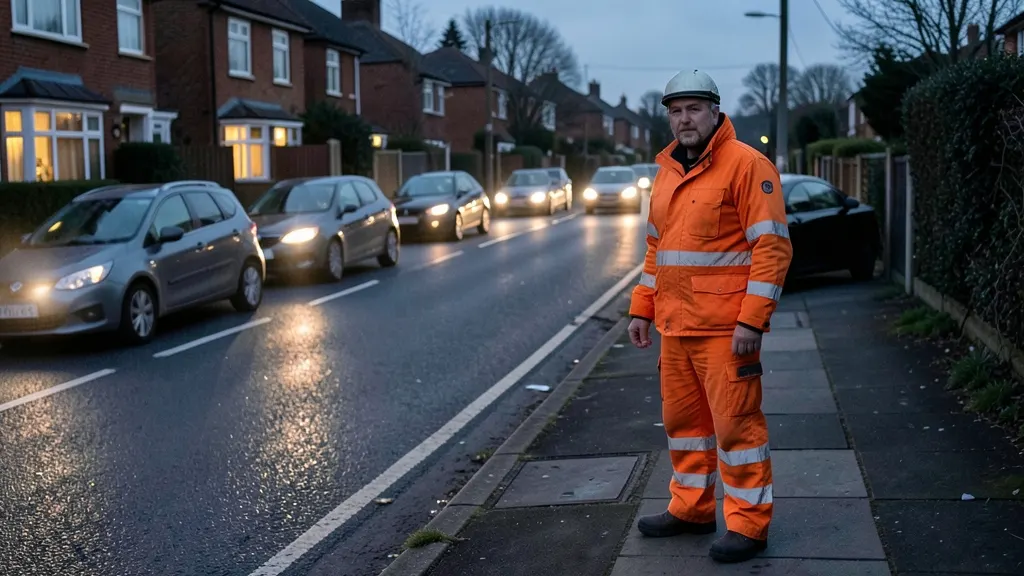
A winter hi-vis jacket does two jobs at once. It keeps you warm in cold, wet, windy weather, and it keeps you visible to drivers, colleagues and anyone else who needs to spot you. Getting both right matters, because a warm jacket that hides you at dusk is as much use as a bright one that leaves you shivering.
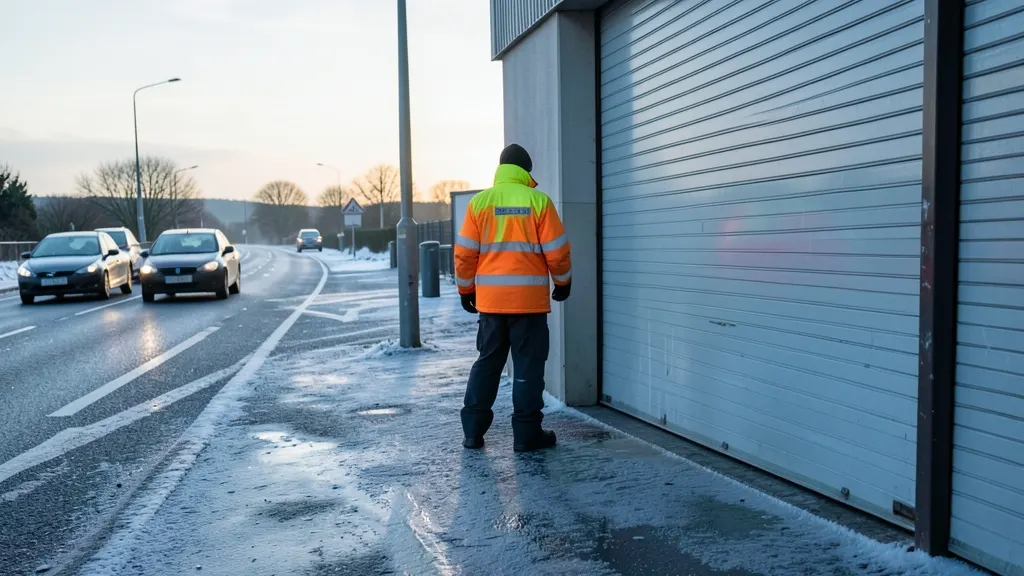
What a winter hi-vis jacket is and who it suits
A winter hi-vis jacket is simply a high-visibility jacket built for cold weather. That usually means a padded or quilted design, a warmer lining, and a weatherproof outer layer to keep rain and wind out. The fluorescent background, normally yellow or orange, and the retroreflective tape are the same as on any hi-vis garment; the difference is the insulation and the protection from the elements.
This type of jacket suits anyone who spends long stretches outdoors between late autumn and early spring. Site workers, road workers, delivery drivers, cyclists, motorcyclists, dog walkers and parents on the school run all have a claim on one. Employers have duties here too. Under the Personal Protective Equipment at Work Regulations 1992, employers must provide suitable PPE to workers exposed to a health and safety risk, unless that risk is adequately controlled by other means. Since 6 April 2022 those duties also cover limb (b) workers, and the employer must provide the PPE free of charge.
For a broader look at hi-vis jackets generally, see Hi-vis jackets: how to choose the right one.
What to check before buying
The class of the jacket
Hi-vis garments sold in the UK are classified under EN ISO 20471, which has three classes. The class tells you how much visible material the garment contains. The minimum fluorescent background area is 0.14 m2 for class 1, 0.50 m2 for class 2 and 0.80 m2 for class 3. The minimum retroreflective areas are 0.10, 0.13 and 0.20 m2 respectively. Class 3 is the highest class, and it is what you should look for if you work on or near roads, especially in the dark or in poor light.
A padded hi-vis jacket is bulky by nature, so check that the bulk has not swallowed the tape. Reflective bands must sit around the body and over the shoulders where they catch headlights. If a thick parka design leaves only small tape strips, the jacket may still carry a label but perform poorly in real conditions. Our page on Class 3 hi-vis jackets: myths and facts goes into this in more detail.
Fabric and warmth
A cold weather high visibility jacket is only as good as its layers. A padded hi-vis jacket traps warm air close to the body, which works well for standing around on a cold site. If you are cycling or walking briskly, you may overheat and sweat, so look for pit zips or a design that vents, and choose a lining that wicks rather than holding moisture. The outer fabric should be waterproof or at least showerproof, because wet hi-vis fabric loses brightness and wet tape loses reflectivity.
If you work on the railways, note that the rail standard RIS-3279-TOM, as described by UK testing body SATRA, requires an orange colour and garments that meet at least class 2 of EN ISO 20471. Check with your employer before buying your own.
Fit
Fit affects both warmth and visibility. A warm hi-vis jacket should be roomy enough for layers underneath but not so loose that the reflective tape flaps or folds out of sight. Try it on over your normal work clothing. Check the sleeves: they should cover your wrists when you reach forward, and cuffs should seal against draughts. A hood is useful for dog walkers and school-run parents, but on a bike it can block your view when you look over your shoulder, so a collar and a separate hat may serve you better.
Common use cases and trade-offs
Different users need different things from the same category of jacket.
- Road and site workers generally need class 3 and a tough, weatherproof shell. The trade-off is weight: the warmest jackets are the heaviest, and heavy fabric restricts movement when you climb or bend.
- Cyclists need breathability more than insulation, because pedalling generates heat. The Highway Code says light-coloured or fluorescent clothing helps other road users see a cyclist in daylight and poor light, and reflective clothing or accessories increase visibility in the dark. Reflective bands on a jacket help, but nothing replaces lights: at night a cycle must have white front and red rear lights lit, and a red rear reflector. See Hi-vis jackets for cycling: a buyer's guide for specifics.
- Motorcyclists should make themselves as visible as possible from the side as well as the front and rear, for example with fluorescent clothing or strips. In the dark, reflective clothing or strips improve visibility further. A bulky padded hi-vis jacket may not fit safely under or over motorcycle kit, so reflective panels on the bike or over-trousers may work better.
- Dog walkers and parents face slow traffic, school-run mornings and dark evenings. A warm, showerproof class 2 jacket is usually plenty, and comfort matters more than the highest class.
The honest trade-off with any winter hi-vis jacket is bulk versus performance. More padding means more warmth but less flexibility and, sometimes, less reflective tape in useful places. Decide which you need most before you buy.
Care and when to replace
Hi-vis only works if it is clean and intact. HSE guidance says reusable PPE must be cleaned and kept in good condition, and hi-vis jackets must be cleaned regularly. Workers must report any loss, destruction or obvious defect, so if you are employed, tell your supervisor rather than soldiering on with a faded jacket.
At home, follow the wash label. Wash cool, avoid fabric conditioner, because it can coat reflective tape and dull it, and do not tumble dry unless the label says you can. Dirt, grease and repeated washing gradually reduce both fluorescence and reflectivity.
Replace the jacket when the fluorescent colour looks grey or washed out, when reflective tape is cracked, peeling or no longer shines bright under headlights, or when the fabric is worn through at friction points such as cuffs, elbows and zip edges. A rough guide: if a driver's headlights pick out the zip and pockets more clearly than the tape, the jacket has finished its useful life.
For more seasonal advice, see Staying visible on winter commutes.
Frequently asked questions
Is a padded hi-vis jacket warm enough for winter site work?
A padded hi-vis jacket is designed exactly for cold, exposed work, and most will handle a British winter standing still. Layer a thermal base and a fleece underneath on the coldest days, and check the cuffs, collar and hem seal out wind. If you do heavy physical work, a lighter insulated jacket may serve you better than the thickest one you can find.
What class of winter hi-vis jacket do I need?
EN ISO 20471 has three classes, and class 3 is the highest, with at least 0.80 m2 of fluorescent background material and 0.20 m2 of retroreflective material. If you work on or near live traffic, especially in the dark, choose class 3. For dog walking or the school run, a class 2 jacket, with at least 0.50 m2 of fluorescent material, is usually enough.
Do reflective jackets really help drivers see me earlier?
The Highway Code advises that in the dark, reflective materials such as jackets, waistcoats and armbands can be seen by drivers using headlights up to three times as far away as non-reflective materials. Fluorescent colours help in daylight and poor light, but they do not glow in the dark, so reflective tape is what counts after sunset.
Can I wash my winter hi-vis jacket normally?
Wash it according to the label, usually at a cool temperature, and skip fabric conditioner because it can dull the reflective tape. HSE guidance says hi-vis jackets must be cleaned regularly and kept in good condition. If the fluorescent colour looks grey or the tape no longer shines in headlights, replace the jacket.
Will a winter hi-vis jacket do for cycling?
It can, but cycling generates a lot of heat, so a thick padded jacket may leave you sweating. Look for vents and a closer fit, and remember the law on lights: at night a cycle must have a white front light and a red rear light lit, plus a red rear reflector. A jacket is a help, never a substitute for lights.