Security hi vis jackets: sorting the myths from the facts
Last updated
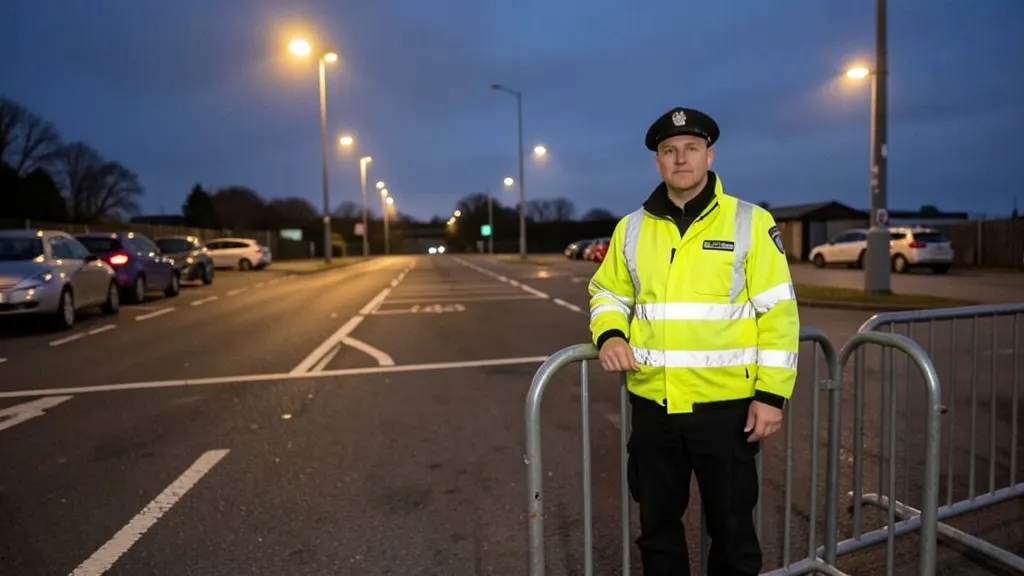
Ask around a pub or event site about security hi vis jackets and you will hear the same claim repeated with confidence: any yellow jacket counts as high visibility, so the cheapest one on the rail will do. It is a comforting idea, because it means nobody has to think about classes, standards or cleaning schedules. Unfortunately it is wrong, and the gap between a cheap fluoro top and a properly certified security high visibility jacket can be the gap between being seen in time and not being seen at all.
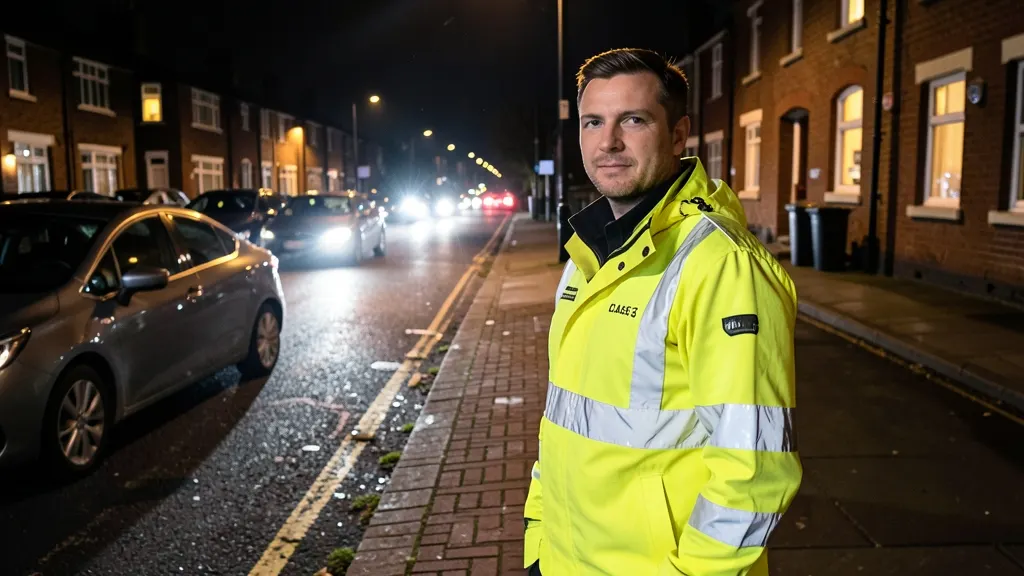
What the standard actually says
The benchmark for hi vis clothing in the UK is EN ISO 20471. It comes in three classes, and the differences between them are measured in square metres of material, not in how bright a garment looks under shop lights. A class 1 garment needs at least 0.14 m2 of fluorescent background material and 0.10 m2 of retroreflective material. Class 2 requires at least 0.50 m2 of fluorescent background and 0.13 m2 of retroreflective strips. Class 3, the highest class, needs at least 0.80 m2 of fluorescent background and 0.20 m2 of retroreflective material.
The point of these numbers is simple. The fluorescent background makes you visible in daylight and poor light, while the reflective bands do the work in headlights and torchlight after dark. A garment with plenty of yellow but almost no reflective banding might look impressive in a queue outside a venue, yet it fades into the background the moment a car's headlights swing across the car park at night. A genuine class 2 or class 3 security hi vis jacket carries the markings to prove it, so check the label before you buy rather than trusting the colour alone.
More myths worth clearing up
The myth that hi vis is optional for security work
There is also a belief that hi vis for security staff is purely a matter of house style or personal preference. In reality, the Personal Protective Equipment at Work Regulations 1992 require employers to provide suitable PPE to workers exposed to a risk to their health or safety, unless that risk is adequately controlled by other means. A steward hi vis jacket is not decoration when part of the job involves marshalling traffic, directing crowds near a road or working a night gate. Since 6 April 2022 these duties have also covered limb (b) workers, and the employer must provide the PPE free of charge. If you are a door supervisor on someone else's payroll, your employer, not you, should be sorting out your kit.
The myth that orange is just a fashion choice
You will notice that rail and trackside security almost always wear orange rather than yellow. That is not a style preference. SATRA, a UK PPE testing body, notes that the rail standard RIS-3279-TOM requires an orange colour and garments meeting at least class 2 of EN ISO 20471. Orange is the recognised colour in rail environments, so if your security role touches the railway, a yellow jacket, however good its class, will not meet the requirement. Check which colour your site's rules specify before you spend anything.
The myth that a dirty jacket still works
A grubby, washed-out jacket is often treated as good enough, on the basis that it is still more visible than ordinary clothing. The Health and Safety Executive guidance says reusable PPE must be cleaned and kept in good condition, and that hi vis jackets, trousers and coveralls must be cleaned regularly. Workers must also report any loss, destruction or obvious defect. Dirt and grime do not just dull the fluorescent material, they bury the reflective performance too, and no amount of yellow underneath will rescue banding that is caked in mud. If your jacket will not come clean, it is a defect, not a keepsake.
What to do instead
Start by matching the class to the risk. For static security inside a site, away from traffic, a class 1 or class 2 garment may be adequate. For patrolling near roads, working at night or standing on a car park where vehicles are moving, choose class 3, and read more in Class 3 hi vis jackets: myths and facts. Check the EN ISO 20471 marking on the label, and if a rail element is involved, confirm the orange requirement and class 2 minimum.
Next, think about where and when you work. If you marshal vehicles in the dark, remember that reflective material, as the Highway Code puts it in its guidance to road users, can be seen by drivers using headlights up to three times as far away as non-reflective materials. Reflective bands, sashes and strips are what earn that extra distance, so prioritise them over a large plain block of colour.
Then look after the garment. Wash it according to the care label, store it somewhere it can dry properly between shifts, and retire it when the reflective banding starts to grey or crack. If you are buying your own kit because you are self-employed, treat the class marking, the correct colour for your sector and the condition of the reflective strips as your three checks, and see Hi-vis jackets: how to choose the right one for a fuller walkthrough.
Finally, do not assume that hi vis ends with the jacket. A door supervisor hi vis jacket paired with reflective bands on the arms or legs will often outperform one larger garment worn alone, particularly on wet nights when light scatters. For a different setting, the same logic applies to commuters and families, as covered in Kids hi vis jackets: myths and facts. The right security high visibility jacket is the one that matches the class to the hazard, the colour to the sector and the condition to the job you actually do.
Frequently asked questions
What class of hi vis jacket do security staff need?
It depends on the risk. A class 1 garment needs at least 0.14 m2 of fluorescent background material and 0.10 m2 of retroreflective material, while class 2 requires 0.50 m2 and 0.13 m2 respectively, and class 3 requires at least 0.80 m2 and 0.20 m2. For patrolling near traffic or working at night, class 3 is the safest choice. Always check the EN ISO 20471 marking rather than trusting the colour.
Does my employer have to provide my security hi vis jacket?
Under the Personal Protective Equipment at Work Regulations 1992, employers must provide suitable PPE to workers exposed to a health or safety risk, unless the risk is adequately controlled by other means. Since 6 April 2022 these duties also cover limb (b) workers, and the employer must provide the PPE free of charge. Self-employed security staff buy their own, but employed staff should not have to.
Why do some security staff wear orange instead of yellow?
Orange is a requirement in rail environments, not a preference. SATRA, a UK PPE testing body, states that rail standard RIS-3279-TOM requires an orange colour and garments meeting at least class 2 of EN ISO 20471. If your security role involves the railway, yellow will not satisfy the standard, whatever its class.
How often should a security hi vis jacket be cleaned?
HSE guidance says reusable PPE must be cleaned and kept in good condition, and that hi vis jackets, trousers and coveralls must be cleaned regularly. Workers must report any loss, destruction or obvious defect. Dirt dulls both the fluorescent background and the reflective bands, so a jacket that will not come clean should be replaced.