Pink hi vis jackets: separating fact from fiction
Last updated
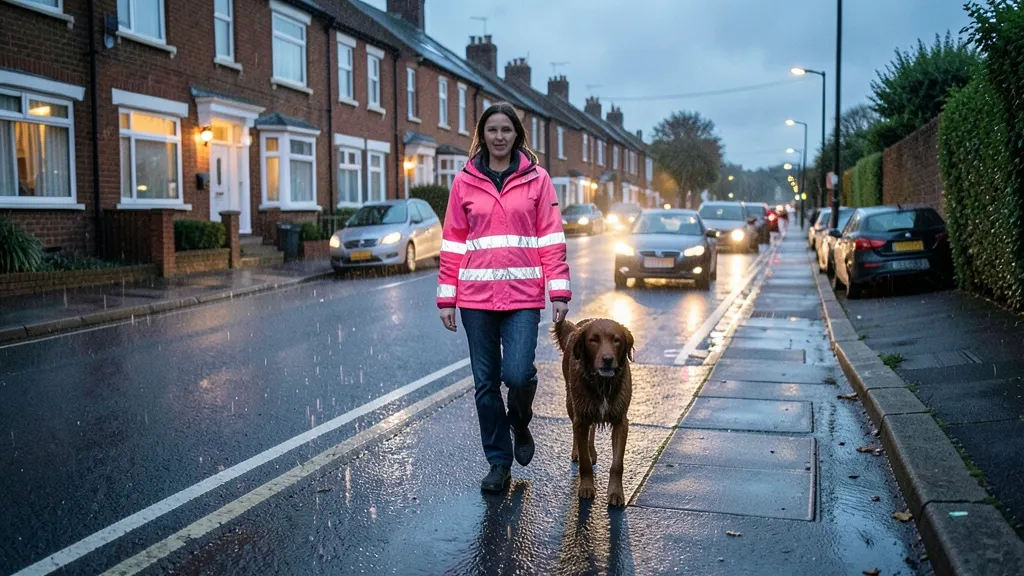
The biggest myth about pink hi vis jackets
Ask around and you will hear the same claim: a pink hi vis jacket is not real hi-vis. The story goes that only yellow and orange count as high visibility, and that pink versions are fashion items sold to people who care more about the colour than about being seen. Some people even believe pink garments are illegal for road use or would fail a workplace inspection on the colour alone.
It is easy to see where this idea comes from. Yellow and orange dominate building sites and railways, so anything else looks like a novelty. But the colour test most people imagine does not exist in the way they think, and dismissing pink jackets outright can lead buyers to poor choices.
What the standard actually requires
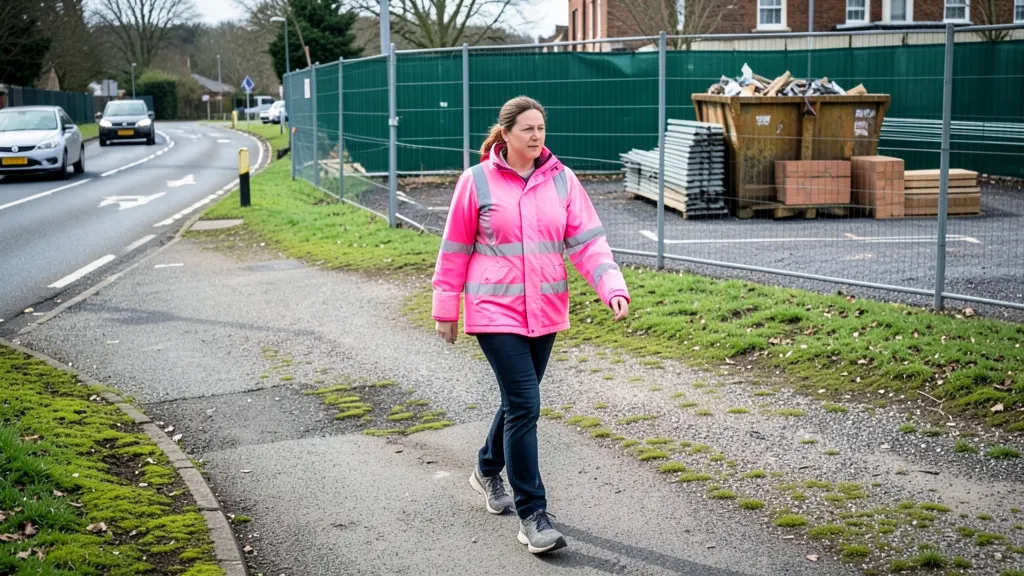
The relevant standard is EN ISO 20471, and what it measures is performance, not the specific shade you fancy. The standard has three classes. A class 1 garment needs at least 0.14 square metres of fluorescent background material and 0.10 square metres of retroreflective material. Class 2 steps up to 0.50 square metres of fluorescent background and 0.13 square metres of retroreflective material. Class 3, the highest, requires at least 0.80 square metres of fluorescent background and 0.20 square metres of retroreflective material.
Two things matter here. First, the material must be fluorescent and retroreflective, meaning it glows in daylight under UV and bounces headlight beams back at drivers at night. A pink reflective jacket that carries genuine EN ISO 20471 certification has passed the same tests as an equivalent yellow one. Second, some pinks qualify and some do not. A soft pastel pink fleece is simply a pink coat. A garment in a fluorescent pink, labelled with its EN ISO 20471 class, is doing the same job as any other certified hi-vis jacket. Check the label for the class, because that tells you far more than the colour does.
If you want to understand the science behind the strips and the fluorescent dyes, read our guide to how reflective material works.
More myths worth clearing up
Pink hi vis is only for women
Nothing in the standard mentions gender. Plenty of people buy pink hi viz jackets for the school run, dog walking or commuting simply because they like the colour, and there is no safety penalty for that. The Highway Code is equally neutral. Rule 59 advises cyclists that light-coloured or fluorescent clothing helps other road users see them in daylight and poor light, and Rule 3 says reflective materials such as armbands, sashes, waistcoats or jackets can be seen by drivers using headlights up to three times as far away as non-reflective materials. None of that depends on the garment being yellow.
Pink is banned on railways and roads
This myth mixes up two separate things. If you work on or near the railway, there really is a colour restriction. SATRA, a UK PPE testing body, states that rail standard RIS-3279-TOM requires an orange colour and garments that meet at least class 2 of EN ISO 20471. So a pink jacket would not be acceptable trackside. For the general public, though, no law tells you what colour to wear on the street, and there is no Highway Code rule requiring any particular shade.
Reflective strips make any jacket safe at night
This applies to every hi-vis colour, pink included. Fluorescent pink is excellent in daylight and poor light but does very little in the dark on its own. Rule 59 splits the two jobs: fluorescent clothing helps in daylight, while reflective clothing and accessories such as belts, arm bands or ankle bands increase visibility in the dark. Rule 17 puts it simply: at night, wear something reflective. A jacket that relies on a small flash of reflective piping will not do much. Look for proper bands around the torso and arms.
What to do instead of guessing
Start with the label, not the colour. If you need hi-vis for work, ask your employer, because under the Personal Protective Equipment at Work Regulations 1992 employers must provide suitable PPE to workers exposed to a health or safety risk unless it is controlled by other means, and since 6 April 2022 that duty also covers limb (b) workers, with the employer providing the PPE free of charge. Your workplace may also have its own colour policy, which is worth checking before you buy.
For everyday use, match the class to your situation. A certified class 2 pink hi vis jacket covers most walking, cycling and dog walking in traffic. For fast roads or night work, look at class 3 hi vis jackets: myths and facts to understand the higher requirements. Cyclists should remember that clothing is only part of the picture: Rule 60 says a cycle used at night must have white front and red rear lights lit plus a red rear reflector, and our hi-vis jackets for cycling buyer's guide covers the rest of the kit.
Look after the jacket once you have it. HSE guidance says reusable PPE must be cleaned and kept in good condition, and hi-vis jackets in particular must be cleaned regularly, because dirt and grime dull both the fluorescent background and the reflective strips. Muddy sleeves on a school run coat or a grubby dog walking jacket will undo much of what you paid for.
Finally, keep colour in perspective. A properly certified pink high visibility jacket is a perfectly sound choice if the shade suits you. What matters is the class on the label, the amount of reflective material, and how well you maintain it. For a fuller walkthrough of those decisions, see our guide to hi-vis jackets: how to choose the right one.
Frequently asked questions
Are pink hi vis jackets legal in the UK?
Yes. No UK law requires the public to wear a specific hi-vis colour on the road. The only colour restriction worth knowing is for railway work, where SATRA states that rail standard RIS-3279-TOM requires orange garments meeting at least class 2 of EN ISO 20471. Away from the railway, a certified pink hi vis jacket is perfectly acceptable.
Do pink hi vis jackets meet EN ISO 20471?
Some do. The standard tests performance rather than banning colours, so a pink high visibility jacket can be certified provided the materials pass. Check the label for the EN ISO 20471 class, which tells you the minimum areas of fluorescent and retroreflective material. A pink jacket with no certification is just a pink jacket.
Is a pink hi vis jacket as visible as a yellow one?
In daylight, a fluorescent pink jacket that carries genuine EN ISO 20471 certification has passed the same tests as an equivalent yellow garment. At night, visibility depends on the retroreflective strips rather than the background colour, so a jacket with good reflective banding will perform well whatever the shade.
Which class of hi vis do I need for walking or cycling?
For most everyday riding and walking near traffic, a class 2 jacket is the common choice, with at least 0.50 m2 of fluorescent background and 0.13 m2 of retroreflective material. Class 3, with at least 0.80 m2 of fluorescent background and 0.20 m2 of retroreflective material, suits faster roads and night work. Cyclists should also fit the lights required by Rule 60.
Does a pink hi vis jacket work at night?
The fluorescent pink background works in daylight and poor light but does little in the dark. At night you rely on the retroreflective strips, which Highway Code Rule 3 says can be seen by drivers using headlights up to three times as far away as non-reflective materials. Look for generous reflective banding, and clean the jacket regularly to keep it working.