Rail hi vis jackets: what to look for before you buy
Last updated
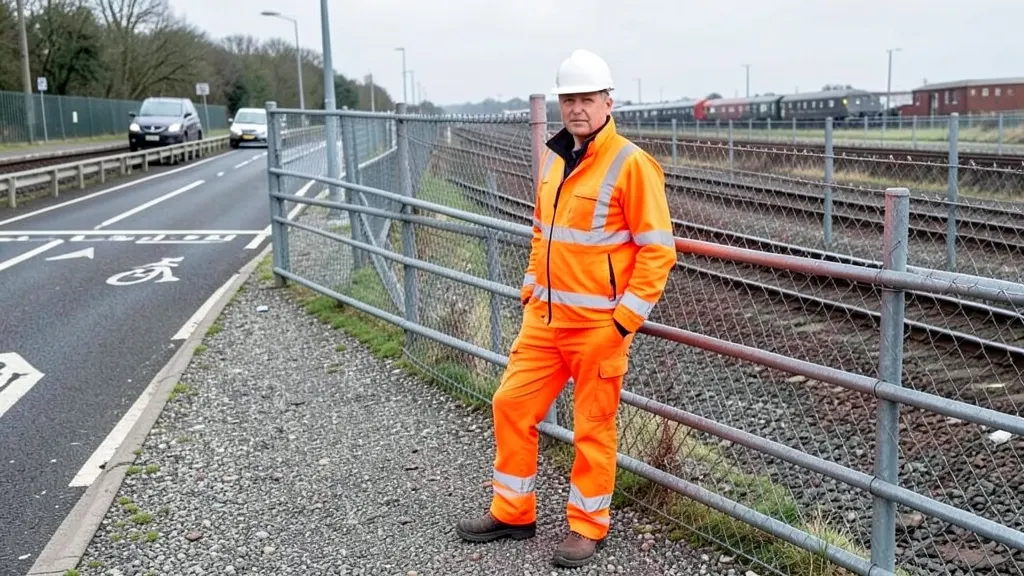
A railway high visibility jacket is not the same thing as an ordinary hi-vis coat. Trackside work in the UK is governed by the rail standard RIS-3279-TOM, which requires an orange colour rather than the yellow you see on most building sites. The colour rule exists because orange stands out against the greens, greys and yellows that dominate the railway environment, from ballast to signal housings.
SATRA, a UK PPE testing body, explains that RIS-3279-TOM requires garments meeting at least class 2 of EN ISO 20471 as well as the orange colour. So if you are buying for trackside work, whether you are a track worker, a patrol ganger, a signaller stepping onto the running lines, or a contractor doing maintenance or survey work, you need both things: the correct orange and a certified class.
If you are new to the subject, it helps to start with the wider picture in our rail hi-vis basics guide, or with general advice in hi-vis jackets: how to choose the right one.
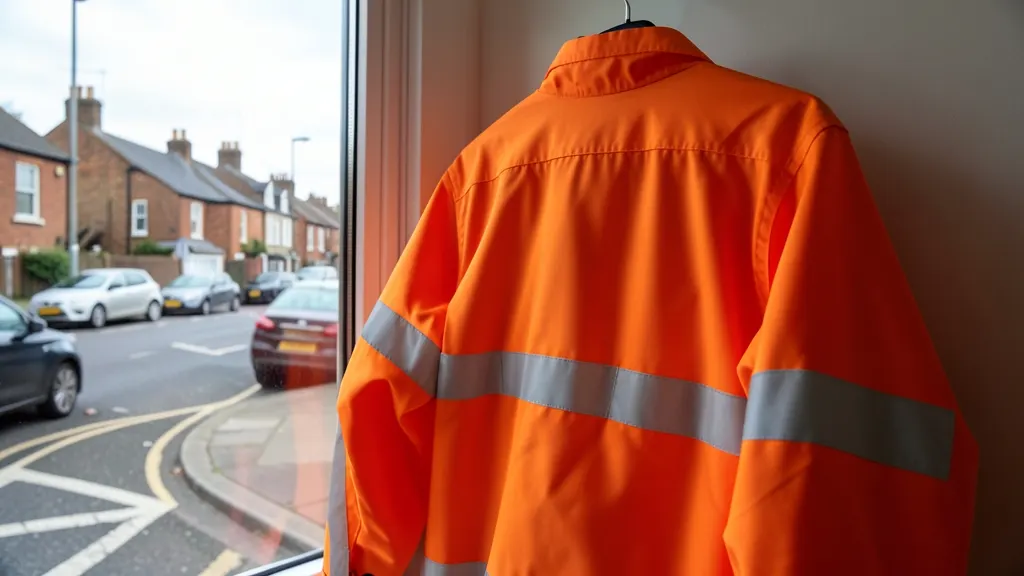
What to check before buying
The colour and the standard
First, confirm the jacket is orange to the rail specification. A bright orange from a general workwear range is not the same thing. Look for a stated link to RIS-3279-TOM in the product description or labelling.
Second, check the EN ISO 20471 class. The standard has three classes, based on how much fluorescent background material and retroreflective material a garment carries:
- Class 1: at least 0.14 m2 of fluorescent background and 0.10 m2 of retroreflective material
- Class 2: at least 0.50 m2 of fluorescent background and 0.13 m2 of retroreflective material
- Class 3: at least 0.80 m2 of fluorescent background and 0.20 m2 of retroreflective material
Class 3 is the highest. Many people assume a bigger garment automatically means a higher class, but that is not quite how it works, and the sizing is not the same as the class. If that distinction confuses you, our piece on class 3 hi vis jackets: myths and facts clears it up.
For trackside use, class 2 is the usual minimum. Some employers or specific zones may ask for class 3, particularly where people work near live traffic or in poor light. Ask before you buy rail hi vis jacket supplies for a whole team, because getting the class wrong means buying twice.
If you want to understand why orange beats yellow on the railway, see orange or yellow hi-vis: which is better?.
Fabric and weather
Rail work happens in all weathers, so think about the shell. A waterproof, taped-seam jacket keeps you dry through a long shift in the rain. A lighter model suits warmer months, but trackside shifts can run from a cold dawn to a warm afternoon, so layers matter more than a single do-everything coat. Check that seams are sealed on waterproof styles, and look for a lining that does not swamp you over a fleece.
Fit
Fit affects safety as much as comfort. A jacket that is too tight rides up when you reach, exposing the hi-vis layer underneath or your clothing. A jacket that is too loose can flap, snag on fences and plant, and obscure the reflective bands. Try it on over what you actually wear to work, including bodywarmers or tool belts.
Reflective tape
Reflective tape is what catches headlights in darkness. Check that the bands sit around the torso and arms, and that they are wide and evenly placed rather than thin strips sewn in as an afterthought. Tape should be flexible rather than stiff, because stiff tape cracks over time at elbow and shoulder points.
Use cases and trade-offs
Trackside maintenance and inspection work is the obvious use case for an orange rail hi vis jacket, and that is where RIS-3279-TOM applies. Station staff and depot workers may also be required to wear rail spec orange even when they rarely touch the track, because a depot is still a railway environment.
The trade-off with rail orange is visibility off the railway. Yellow is the default colour on roads and most UK construction sites, so a rail orange jacket may not satisfy a different employer's site rules. Some people keep two garments, one for rail work and one for general site work, and that is usually the cleanest answer.
Another trade-off is weight. A heavily lined, waterproof railway high visibility jacket is superb in February but unbearable in July. A lighter class 2 shell with a separate fleece gives you flexibility across seasons.
One more thing worth knowing: the rules on who supplies the jacket. Under the Personal Protective Equipment at Work Regulations 1992, employers must provide suitable PPE to workers exposed to a risk to health or safety, unless the risk is adequately controlled by other means. Since 6 April 2022 those duties also cover limb (b) workers, and the employer must provide the PPE free of charge. So if you are employed or engaged as a limb (b) worker, your rail hi vis jacket should come from the employer, not out of your own pocket. For more on this, see when hi-vis is required at work in the UK.
Care and when to replace
Hi-vis garments lose their edge when they get dirty. Grime blocks the fluorescent background, and worn or grubby tape stops reflecting light properly. HSE guidance says reusable PPE must be cleaned and kept in good condition, and that hi-vis jackets, trousers and coveralls must be cleaned regularly. Workers must also report any loss, destruction or obvious defect to their employer.
In practice:
- Wash at the temperature stated on the care label, and avoid biological detergents or fabric softeners, which can degrade the tape
- Do not tumble dry unless the label says you can, as heat damages reflective bands
- Store the jacket hanging up in a dry place rather than screwed up in a van footwell
- Check the tape before each shift for cracking, peeling or fading
Replace the jacket when the fluorescent material has visibly greyed or faded, when tape is damaged, or when a wash no longer brings the colour back. A rail jacket that looks dull in daylight will do very little in the dark, and no amount of good intent fixes faded fabric. Check the tape with a torch at night: if the bands do not light up brightly from a distance, it is time for a new one.
A well-kept class 2 orange jacket with fresh tape does the job it was bought for. A neglected one does not, and on the railway that difference is measured in seconds of a driver's reaction time.
Frequently asked questions
Do rail hi vis jackets have to be orange?
In the UK, the rail standard RIS-3279-TOM requires an orange colour. SATRA notes that garments under the standard must also meet at least class 2 of EN ISO 20471. Yellow hi-vis is generally not accepted for trackside work.
What class of hi vis do I need for railway work?
Class 2 is the minimum under RIS-3279-TOM, which means at least 0.50 m2 of fluorescent background material and 0.13 m2 of retroreflective material. Class 3, with 0.80 m2 and 0.20 m2 respectively, may be required in higher-risk situations. Check with your employer before buying.
Who pays for my rail hi vis jacket?
Under the Personal Protective Equipment at Work Regulations 1992, employers must provide suitable PPE to workers at risk. Since 6 April 2022 the duties also cover limb (b) workers, and the PPE must be provided free of charge. If you are on site as a contractor or casual worker, ask your employer rather than assuming you must buy your own.
How often should a rail hi vis jacket be washed?
HSE guidance says hi-vis jackets must be cleaned regularly and reusable PPE kept in good condition. Follow the care label, avoid fabric softeners, and report any loss or obvious defect to your employer. Dirt and grease on the fluorescent fabric reduce visibility long before the jacket looks worn out.
How do I know when to replace my railway high visibility jacket?
Replace it when the fluorescent fabric has faded or greyed, when reflective tape is cracked or peeling, or when washing no longer restores the brightness. A quick test is to shine a torch at the tape in the dark. If the bands no longer glow brightly, the jacket has stopped doing its job.