Rail hi vis requirements: a practical guide
Last updated
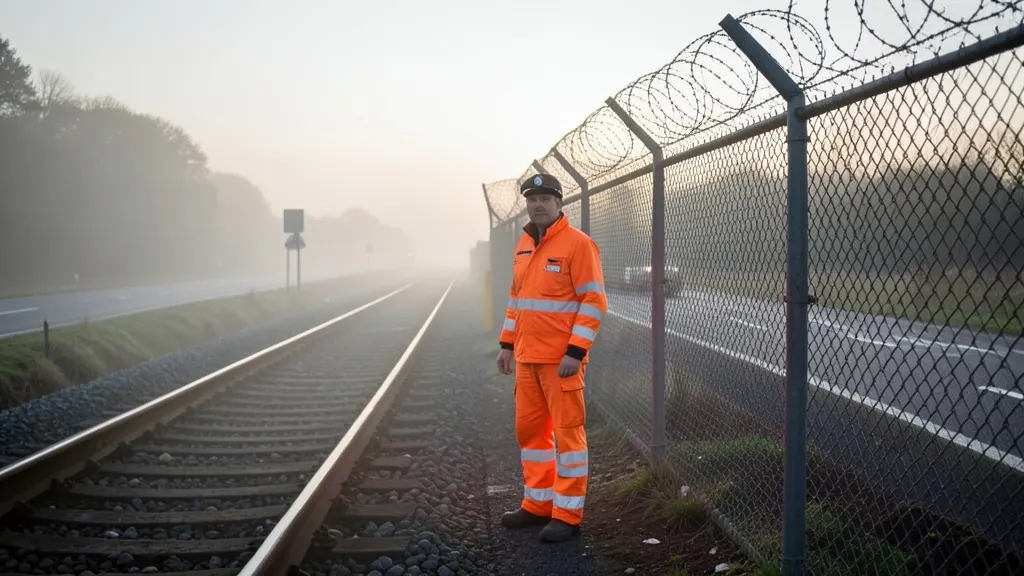
Working on or near railway lines means being seen is a matter of life and death. Trains travel fast, drivers cannot stop quickly, and trackside work often happens in low light or poor weather. This guide walks through the rail hi vis requirements you need to know, including the colour rules, the standards behind them, and how to keep your kit in a fit state to wear.
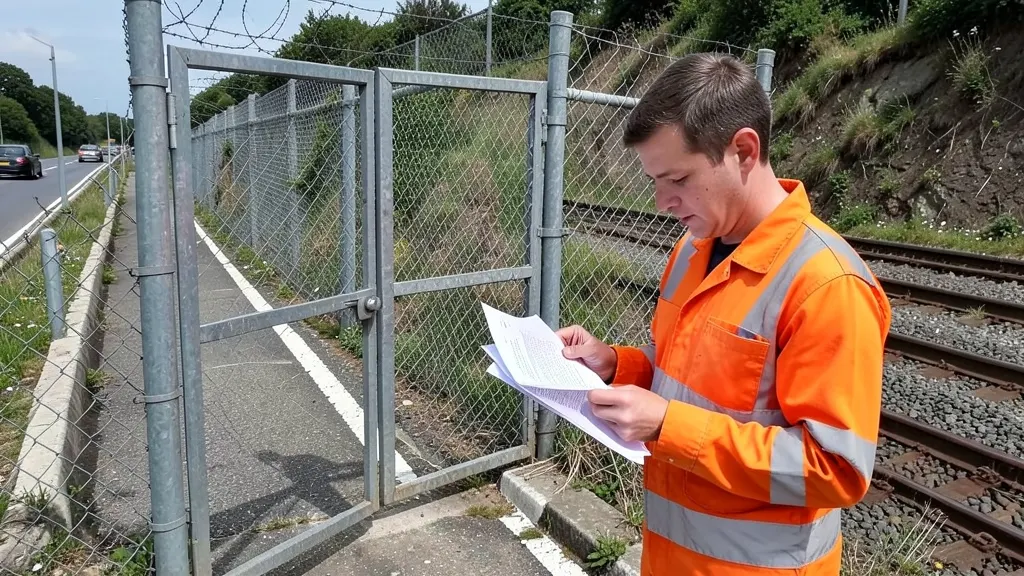
What you need to know before you start
The key standard for railway work in the UK is RIS-3279-TOM. According to SATRA, a UK PPE testing body, this rail industry hi vis standard requires an orange colour and garments that meet at least class 2 of EN ISO 20471. So two things matter straight away: the colour must be orange, and the garment must reach a defined performance level under EN ISO 20471.
EN ISO 20471 splits hi vis into three classes. The fluorescent background area must be at least 0.14 m2 for class 1, 0.50 m2 for class 2 and 0.80 m2 for class 3. The retroreflective area must be at least 0.10, 0.13 and 0.20 m2 respectively. Class 3 is the highest, offering the most visibility, and for many trackside roles it is the practical choice even where class 2 is the stated minimum.
Employers have duties too. Under the Personal Protective Equipment at Work Regulations 1992, employers must provide suitable PPE to workers exposed to a risk to health or safety, unless that risk is adequately controlled by other means. Since 6 April 2022 these duties also cover limb (b) workers, and the PPE must be provided free of charge. If you supply your own railway track clothing, it still needs to meet the same standards.
For more on the class system, see Hi-vis classes explained: EN ISO 20471 made simple.
Checking your rail hi vis step by step
Step 1: Check the colour
Rail hi vis colour rules are strict. Under RIS-3279-TOM the garment must be orange, not yellow. Orange is used on the railways precisely because it stands apart from the yellow used elsewhere. If your jacket is yellow, it does not meet the rail standard, however good the reflective bands are.
Step 2: Check the class marking
Look at the label inside the garment. It should state the EN ISO 20471 class. For rail work you need at least class 2, which means a minimum of 0.50 m2 of fluorescent background material and 0.13 m2 of retroreflective material. Check that the class applies to the garment as sold: a class 2 vest worn over a non-compliant coat may not give the coverage you think.
Step 3: Check the garment covers your body properly
Hi vis only works if the fluorescent and reflective areas are actually visible. A sleeveless vest leaves your arms dark, so trousers and a jacket or coveralls are often the better choice for trackside work. Think about coverage from every angle, including from the side, because trains and road vehicles approach from different directions.
Step 4: Check the condition
Grime, UV fading and damage all reduce performance. HSE guidance says reusable PPE must be cleaned and kept in good condition, and that hi-vis jackets, trousers and coveralls must be cleaned regularly. Hold the garment up in daylight: if the orange looks grey or washed out, its fluorescent performance has likely degraded.
Step 5: Wear it correctly, every time
Zip it up, fasten it properly and do not cover it with bags, tools or a dark coat. Workers must report any loss, destruction or obvious defect to their employer, so do not carry on quietly wearing a jacket with a torn reflective band.
Common mistakes and how to fix them
Wearing yellow on the railway
Yellow hi vis is fine for many road settings, but it does not satisfy rail hi vis requirements. Fix: keep a separate orange garment for rail work and reserve your yellow kit for other jobs.
Assuming any hi vis is enough
A class 1 garment with a small fluorescent area might suit low-risk situations such as some deliveries, and we cover that in Do delivery drivers need hi vis? A practical guide. It is not enough for the railway. Fix: check the label for class 2 or class 3 before you step out.
Letting the garment get dirty
Railway work is grubby, and dirty retroreflective tape reflects far less light. Fix: follow the washing instructions on the label, wash at the stated temperature, and avoid tumble drying if the label advises against it.
Covering it up
Tool bags, rucksacks straps and open jackets all hide the very material that makes you visible. Fix: use a bag with hi-vis panels or keep straps clear of the reflective bands.
When to stop and replace instead
Hi vis has a working life, and repair is rarely worth the risk. Replace a garment when:
- the orange background fabric has faded, so the colour no longer reads as bright orange in daylight
- reflective bands are cracked, peeling or no longer shine when a light hits them in the dark
- fabric is worn thin, torn or holed, or seams are splitting
- the label is missing and you cannot confirm the EN ISO 20471 class
- laundering no longer restores the brightness
If your role changes to higher-risk work, such as working closer to the line, replace a class 2 garment with class 3, which carries at least 0.80 m2 of fluorescent material and 0.20 m2 of retroreflective material. The general principle is the same one behind Highway Code Rule 17, which advises wearing something reflective at night so others can see you. On the railway, the stakes are higher and the rules firmer, so treat replacement as part of the job rather than an inconvenience.
Related guidance
If you work in other settings, these guides cover the everyday rules: When is high visibility clothing required in the UK?, How to be seen walking a dog at night and What to wear running in the dark: a practical guide.
Frequently asked questions
What colour does hi vis need to be for railway work in the UK?
Rail standard RIS-3279-TOM requires an orange colour, according to SATRA, a UK PPE testing body. Yellow hi vis does not meet the rail industry hi vis standard. Keep a separate orange garment for rail work.
What EN ISO 20471 class do I need for rail work?
RIS-3279-TOM requires garments that meet at least class 2 of EN ISO 20471. Class 2 means a minimum of 0.50 m2 of fluorescent background material and 0.13 m2 of retroreflective material. Many workers choose class 3 for extra visibility.
Does my employer have to provide my rail hi vis?
Yes. Under the Personal Protective Equipment at Work Regulations 1992, employers must provide suitable PPE to workers exposed to a risk to health or safety, unless the risk is adequately controlled by other means. Since 6 April 2022 this also covers limb (b) workers, and the PPE must be provided free of charge.
How often should railway track clothing be cleaned?
HSE guidance says hi-vis jackets, trousers and coveralls must be cleaned regularly and kept in good condition. Dirty fluorescent fabric and muddy reflective bands perform much worse. Wash at the temperature on the label and report any obvious defect or damage to your employer.
When should I replace a hi vis jacket?
Replace it when the orange has faded, the reflective bands no longer shine when a light hits them in the dark, or the fabric is torn or worn. Also replace it if the class label is missing. Faded or damaged hi vis cannot be relied on trackside.