Men's hi-vis jackets: finding the right one for what you do
Last updated
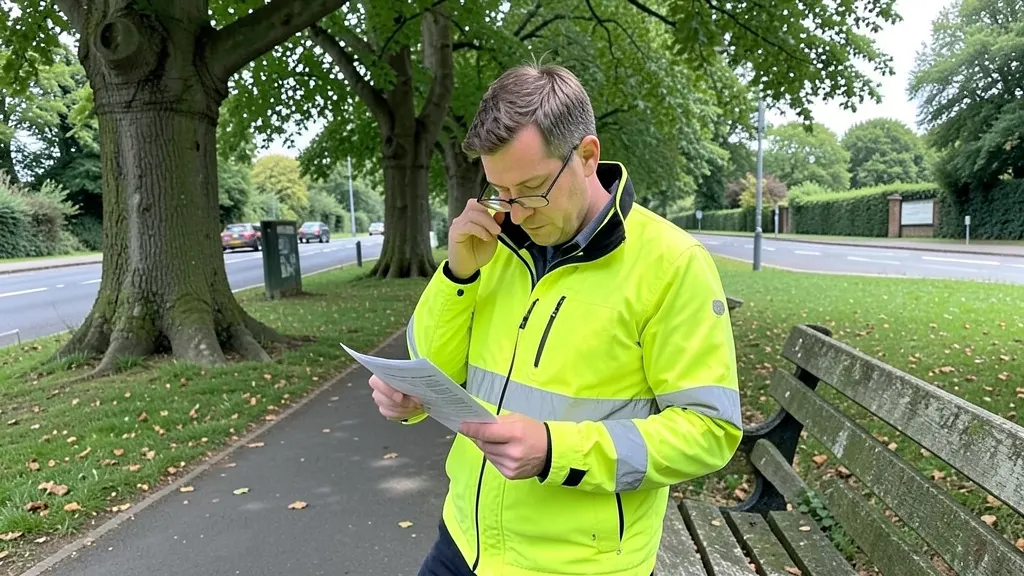
A mens hi vis jacket is not really one product. The jacket a scaffolder needs on a building site is a different thing from the one a commuter wants for the ride home in November, or the light waistcoat-style layer a dog walker throws on for an early evening walk. The label on the packet often just says hi-vis, so this page compares the main uses side by side and helps you match the jacket to your life rather than the other way round.
Every option below does the same two jobs, but in different proportions. Fluorescent material, usually yellow or orange, makes you conspicuous in daylight and poor light. Retroreflective bands pick up headlamps and send light straight back to the driver, which is what counts after dark. If you want the full explanation of how that works, read How reflective material works.
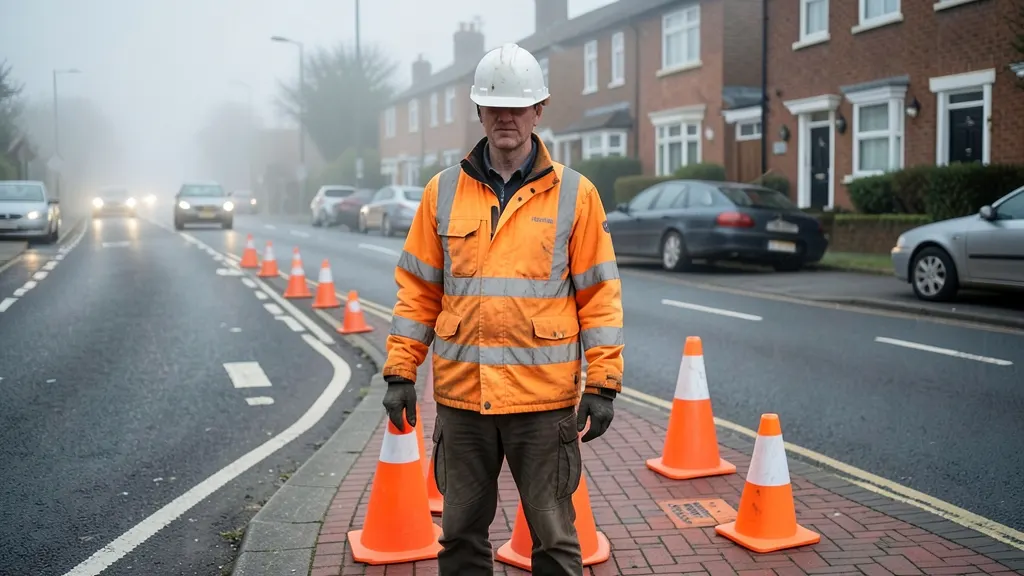
Work on or near roads, railways and sites
If you work where vehicles or machinery move about, you are in the world of certified PPE. EN ISO 20471 sets three classes of garment. A class 1 jacket has at least 0.14 square metres of fluorescent background material and 0.10 square metres of retroreflective material. Class 2 rises to 0.50 and 0.13 square metres respectively, and class 3, the highest, needs at least 0.80 square metres of fluorescent background and 0.20 square metres of retroreflective tape.
Which class you need depends on the risk and the speed of surrounding traffic. Many site and road workers wear class 2. Class 3 is generally for the highest-risk settings: motorways, night work on live roads, and anywhere traffic is fast and you have little separation from it. Our page on Class 3 hi vis jackets: myths and facts goes into more detail.
There is an employment angle too. Under the Personal Protective Equipment at Work Regulations 1992, employers must provide suitable PPE to workers exposed to a risk to health or safety unless that risk is controlled by other means. Since 6 April 2022 those duties also cover limb (b) workers, and the employer must provide the kit free of charge. So if you are employed on site and have not been issued a jacket, ask. You should not be buying your own.
Rail work is a special case. SATRA, a UK PPE testing body, notes that the rail standard RIS-3279-TOM requires an orange colour and garments meeting at least class 2 of EN ISO 20471. A yellow jacket that is perfectly legal on a road site will not pass on the railway.
One more work point worth remembering: hi-vis only works if it is clean. HSE guidance says reusable PPE must be cleaned and kept in good condition, that hi-vis jackets, trousers and coveralls must be cleaned regularly, and that workers must report any loss, destruction or obvious defect. A jacket caked in mud or grease is not doing its job.
Cycling
Cyclists do not need certified PPE, but the Highway Code is clear about visibility. Rule 59 says light-coloured or fluorescent clothing can help other road users see a cyclist in daylight and poor light, while reflective clothing or accessories such as belts, arm bands or ankle bands can increase visibility in the dark. Rule 60 adds that at night a cycle must have white front and red rear lights lit, plus a red rear reflector. Lights first, jacket second.
For a cyclist, a mens reflective jacket is usually a lightweight, breathable shell with reflective detailing, often in colours other than plain yellow. Fit matters more than certification here: flapping sleeves get in the way, and a hem that rides up leaves a gap in your visibility. A snug but comfortable cut, longer sleeves for a riding position, and a rear pocket or two are worth more to most riders than any tape pattern.
Running and dog walking
Runners and dog walkers tend to want something light and packable. You are moving enough to stay warm, so a heavy padded jacket is a burden, and you may start in daylight and finish in the dark. A thin fluorescent layer with generous reflective panels, or reflective bands at wrists and ankles, covers both halves of the journey. The Highway Code's Rule 17 puts it simply: at night, wear something reflective to make it easier for others to see you. Rule 3 adds that reflective materials can be seen by drivers using headlights up to three times as far away as non-reflective ones, which is a real margin on an unlit lane.
Dog walkers should also think about the dog. A reflective strip on the lead and a light on the collar fill the gap while you are bending down or standing still. Our guide to Hi-vis jackets for dog walking: how to choose covers this in full.
Motorcycling
Motorcyclists have the least room for error, and the Highway Code treats visibility as part of riding technique. Rule 86 says riders should make themselves as visible as possible from the side as well as the front and rear, for example with fluorescent clothing or strips. Rule 87 says that when riding in the dark, motorcyclists should wear reflective clothing or strips to improve visibility. A full hi-vis jacket is impractical over leathers, but a mens hi viz jacket layer, a reflective vest or strips on limbs answer the same call. Side visibility matters because many collisions happen at junctions, where the driver sees you edge-on.
Which option fits which situation
Put simply: certified class 2 or class 3 for paid work with vehicles, depending on your risk assessment. Orange to class 2 minimum for rail. A light, breathable reflective jacket for cycling and running, chosen on fit and comfort rather than classes. Anything reflective, even a simple vest, for dog walking after dark. Strips or a vest for motorcycling, with side coverage in mind.
If you are still weighing options, the general guide at Hi-vis jackets: how to choose the right one walks through the choices in more depth, and runners may find Choosing reflective running kit more useful than a jacket page.
Quick decision guide
- Paid work with traffic or machinery: EN ISO 20471 class 2 as a common baseline, class 3 for high-speed roads and night work. Ask your employer to supply it.
- Any work on or near the railway: orange, class 2 minimum under RIS-3279-TOM.
- Cycling: lights and reflector first, then a fitted reflective jacket with good coverage front, side and rear.
- Running or dog walking in winter: lightweight fluorescent layer plus reflective panels or bands, sized to go over your normal clothes.
- Motorcycling: reflective vest or strips, with attention to side visibility as well as front and rear.
- Whatever you buy: keep it clean and check it for damage, because grubby tape reflects very little.
Match the jacket to the job and the light you will actually be in, and you will get the visibility you are paying for without carrying more jacket than you need.
Frequently asked questions
Do I legally need a mens hi vis jacket for my job?
If your work exposes you to a risk to health or safety, the Personal Protective Equipment at Work Regulations 1992 require your employer to provide suitable PPE unless the risk is controlled by other means. Since 6 April 2022 this also covers limb (b) workers, and the employer must supply the PPE free of charge. Ask your employer rather than buying your own.
What is the difference between class 2 and class 3 hi-vis jackets?
EN ISO 20471 sets minimum areas of material. Class 2 requires at least 0.50 square metres of fluorescent background and 0.13 square metres of retroreflective material. Class 3, the highest class, requires at least 0.80 and 0.20 square metres respectively, and is generally used for the highest-risk situations such as fast roads.
Do cyclists have to wear hi-vis by law?
No, there is no legal requirement, but the Highway Code advises it. Rule 59 says light-coloured or fluorescent clothing helps other road users see a cyclist in daylight and poor light, and reflective clothing or accessories increase visibility in the dark. At night the legal requirement is a white front light, red rear light and red rear reflector on the bike itself.
Is a yellow or orange mens high visibility jacket better?
Either works for visibility in daylight. Orange is required for rail work under RIS-3279-TOM, which SATRA notes also demands garments meeting at least class 2 of EN ISO 20471. Outside the railway, the colour matters less than the amount of fluorescent and reflective material and whether the garment is clean.
How do I keep a hi-vis jacket working properly?
Clean it regularly. HSE guidance says reusable PPE must be cleaned and kept in good condition, and that hi-vis jackets, trousers and coveralls must be cleaned regularly. Report any loss, destruction or obvious defect, and replace the jacket when the fluorescent material fades or the reflective tape stops shining under headlights.