Hi-vis jackets with a hood: comparing your options
Last updated
Why the hood is the tricky part of a hi-vis jacket
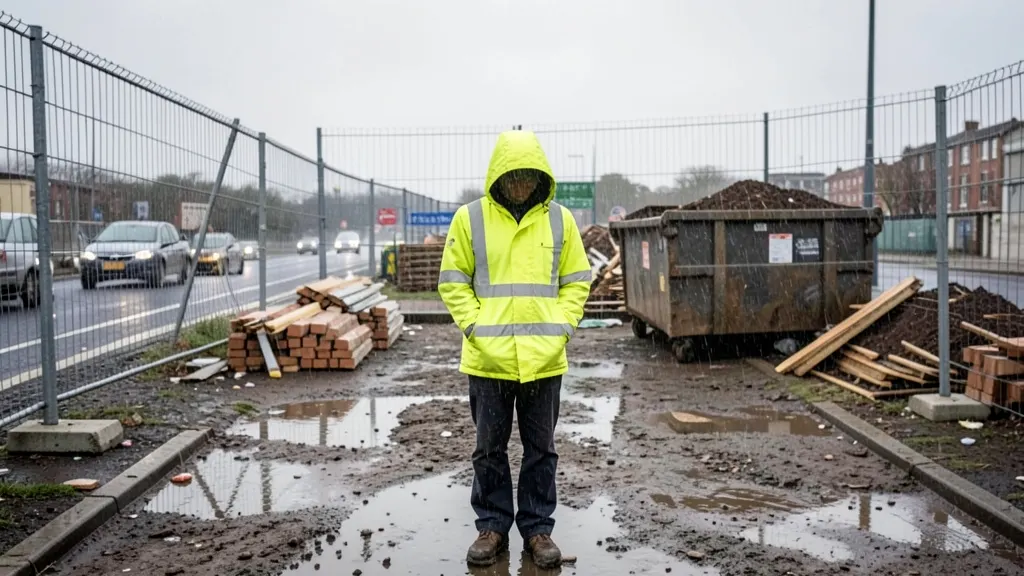
Most people looking for a hi vis jacket with hood are trying to solve two problems at once. They want proper visibility on the road or site, and they want their head dry when the rain sets in. The hood is where those two needs start pulling against each other, because the main styles you will come across, the hooded hi vis jacket, the high visibility hooded jacket with a fixed hood, and the softer hi vis hoodie jacket, all behave differently in wind, rain and dark evenings.
This page compares the options side by side so you can work out which one suits your situation before you spend any money. We will look at how each style performs for the most common uses in the UK: working outdoors, cycling, dog walking, the school run and riding.
The main options compared
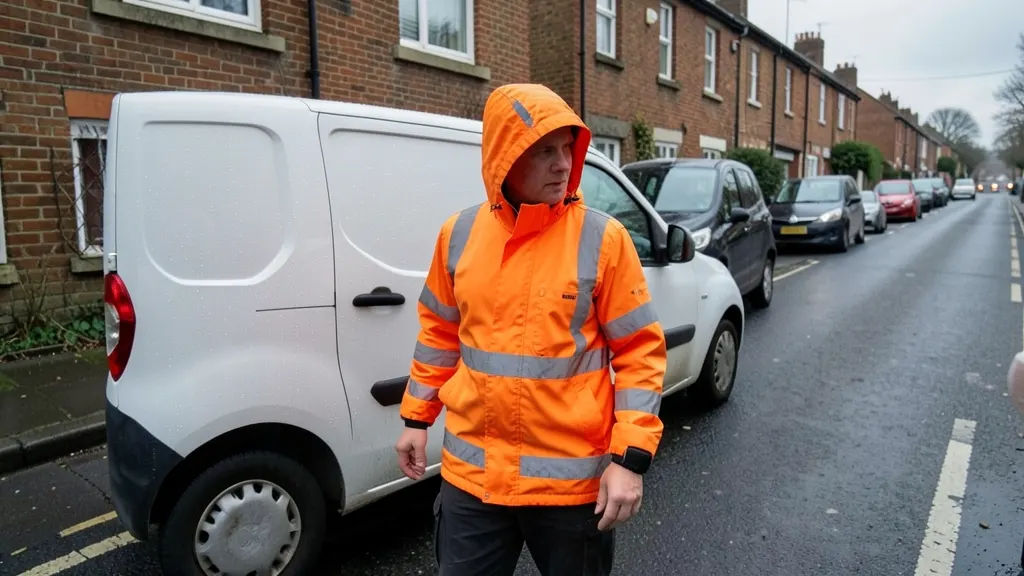
The first option is a proper waterproof hi-vis jacket with an attached or detachable hood. This is built like a shell: sealed or taped seams, a storm flap behind the zip, and a hood that either rolls into the collar or packs away. The hood on a good one can be adjusted at the back and around the face, which matters because a loose hood acts like a sail in a crosswind and pulls the whole jacket around. For anyone working outdoors or walking in steady rain, this style keeps the fluorescent material doing its job all day rather than only until the coat underneath gets soaked.
The second option is the hi vis hoodie jacket. This is usually a softer, fleece-backed garment, sometimes with a hood sewn on rather than detachable. It is comfortable for cooler, drier weather and for jobs where you are in and out of vehicles or buildings. The trade-off is weather protection. A hoodie jacket will shrug off a shower but it is not a rain jacket, and once the fabric gets wet and heavy it loses the crisp surface that reflects light well. Under the Highway Code, rule 17 tells all road users to wear something reflective at night to make it easier for others to see them, and a sodden hoodie does that job poorly compared with a clean, dry shell.
The third option, which is really a variation on the first, is the hooded design with added reflective coverage. Some high visibility hooded jackets keep the hood fluorescent and add reflective piping around it, so your head is doing visibility work as well as weather work. That sounds like a small thing, but the head is often the highest visible point on a walker or cyclist, and reflective material there catches headlights from a distance. The Highway Code, rule 3, notes that reflective materials such as jackets and armbands can be seen by drivers using headlights up to three times as far away as non-reflective materials, and that applies to the hood too.
Which option fits which situation
For site and roadside work, the safest choice is a jacket that meets the higher classes of EN ISO 20471. That standard has three classes, and class 3, the highest, requires at least 0.80 square metres of fluorescent background material and 0.20 square metres of retroreflective material. A hood is not counted towards that area, so you still need the full body coverage. Employers have duties here as well: under the Personal Protective Equipment at Work Regulations 1992, employers must provide suitable PPE to workers exposed to a health and safety risk unless the risk is controlled by other means, and since 6 April 2022 those duties also cover limb (b) workers, with the PPE provided free of charge. If you work near railways, note that the rail standard RIS-3279-TOM requires an orange colour and at least class 2 of EN ISO 20471.
For cyclists, a hood is often a hindrance rather than a help, because it can block your shoulder checks and catch wind. Rule 59 of the Highway Code says light-coloured or fluorescent clothing helps drivers see a cyclist in daylight and poor light, while reflective clothing and accessories increase visibility in the dark, and rule 60 requires white front and red rear lights lit at night along with a red rear reflector. A hood that rolls away is better than a fixed one here, and a cycling-specific cut beats a boxy site jacket. Our guide to hi-vis jackets for cycling goes into more detail.
For dog walkers and the school run, comfort and hood fit matter more than certification. You are on pavements and crossings rather than a live carriageway, but dark winter mornings still make you hard to see. A hooded hi vis jacket with reflective trim gives you the coverage without feeling like site gear, and a hood stays up naturally when you are holding a lead or a child's hand. See our advice on hi-vis jackets for dog walking if that is your main use.
For motorcyclists, the Highway Code is blunt. Rule 86 says riders should make themselves as visible as possible from the side as well as the front and rear, for example with fluorescent clothing or strips, and rule 87 says that in the dark riders should wear reflective clothing or strips. A hi-vis over-jacket with a hood is rarely the answer on a bike, because a loose hood flapping at speed is a distraction. If you ride as well as walk, keep the hooded jacket for off the bike.
Quick decision guide
Choose a waterproof high visibility hooded jacket with a roll-away or detachable hood if you work outdoors, walk in regular rain, or need class 2 or class 3 coverage for site rules. Choose a softer hi vis hoodie jacket for dry, cold conditions, short trips and layering under a shell. Choose a hood with reflective trim if you walk or ride on unlit roads at night, because your head is the first thing headlights find. Skip the hood altogether if you cycle or ride a motorbike in traffic, and use a snug collar plus reflective bands instead.
Whatever you choose, look after it. HSE guidance says reusable PPE must be cleaned and kept in good condition, hi-vis garments must be cleaned regularly, and workers must report any loss, destruction or obvious defect. A dirty hood and grubby panels reflect far less light than a clean one. For a broader run-through of styles and standards, start with our general guide to hi-vis jackets, and if you are buying for children, our page on kids hi vis jackets covers the myths and facts.
Frequently asked questions
Does a hood count towards the EN ISO 20471 class area?
The class minimums under EN ISO 20471 are based on fluorescent background area and retroreflective area across the garment, with class 3 requiring at least 0.80 square metres of fluorescent material and 0.20 square metres of retroreflective material. A hood should be treated as a bonus rather than part of the calculation. Check the garment labelling and the stated class rather than assuming the hood adds coverage.
Is a hi vis hoodie jacket good enough for rain?
It depends on the fabric. Some hooded hi-vis garments are fully waterproof shells with taped seams, while others are soft fleece-backed tops that only handle light showers. Once a hoodie jacket gets soaked, it loses much of its ability to reflect headlights well, so for regular wet weather a waterproof style is the safer choice.
Will a hood get in the way when I cycle?
It can. A loose hood blocks over-the-shoulder checks and catches crosswind. If you want one jacket for cycling and walking, pick a design with a hood that rolls into the collar, and always run white front and red rear lights plus a red rear reflector at night, as the Highway Code requires.
Who has to pay for a hooded hi-vis jacket at work?
Under the Personal Protective Equipment at Work Regulations 1992, employers must provide suitable PPE to workers exposed to a health and safety risk unless that risk is controlled by other means. Since 6 April 2022 these duties also cover limb (b) workers, and the employer must provide the PPE free of charge.
How do I keep a hi-vis jacket working properly?
Clean it regularly and keep it in good condition. HSE guidance says hi-vis jackets, trousers and coveralls must be cleaned regularly, and workers must report any loss, destruction or obvious defect. Dirt and wear reduce both the fluorescent colour and the reflective performance, so a grubby jacket is genuinely less protective than a clean one.