Softshell hi vis jackets
Last updated
Choosing the right hi-vis jacket for the job
A hi-vis jacket is not one product but a family of them, and the softshell hi vis jacket is one of the more recent arrivals. It combines a stretchy, weather-resistant outer layer with the fluorescent background and retroreflective bands you expect from high visibility clothing. That combination makes it a strong candidate for certain people and a poor one for others, so this page compares the softshell style against the alternatives and helps you decide which fits your situation.
The comparison matters because most buyers end up choosing between three broad types: a softshell, a lightweight waterproof shell, and a basic mesh or polyester jacket. Each one trades something away. The softshell gives you warmth, wind resistance and ease of movement, but it will not handle a prolonged downpour like a coated waterproof. The waterproof shell keeps rain out but can feel stiff and clammy during physical work. The basic jacket is cheap and light, but it offers little protection from wind or cold.
How the main use cases compare
Softshell hi-vis jackets
A high visibility softshell is built from a bonded fabric, usually a stretchy face with a brushed or fleecy inner. The stretch is the big draw. If you bend, lift, reach overhead or ride a bike in a dropped position, a softshell moves with you rather than fighting you. The fabric also blocks wind effectively, so a windproof hi vis jacket of this type keeps you comfortable on an exposed site or a fast descent without the bulk of a padded coat.
The trade-off is rain performance. Softshells shrug off a shower, but sustained heavy rain will eventually soak through. They also hold more warmth than a thin shell, which is welcome on a cold morning and a nuisance when you are working hard. Most softshells are sold as class 2 garments, which suits site work, roadside trades and commuting. A few reach class 3, the highest class under EN ISO 20471, which requires at least 0.80 m2 of fluorescent background material and 0.20 m2 of retroreflective material. Our page on class 3 hi vis jackets explains when that higher class is worth insisting on.
Waterproof hi-vis jackets
If your day involves standing in the rain, a coated or membrane waterproof is the safer pick. These garments keep you dry for hours, and many have taped seams and storm flaps. The price you pay is breathability and flexibility. A stiff shell can restrict arm movement, and even breathable membranes can struggle during heavy effort, leaving you damp from the inside.
For motorcyclists, the Highway Code offers guidance worth echoing here. Rule 87 says that when riding in the dark, motorcyclists should wear reflective clothing or strips to improve visibility, and Rule 86 recommends making yourself as visible as possible from the side as well as the front and rear. A jacket that stays on your body in foul weather is the one that keeps working for you.
Lightweight mesh and basic polyester jackets
The classic vest-style jacket is the cheapest and coolest option. It packs down small, dries quickly and is fine for short stints, a summer school run or a low-risk dog walk. It offers almost no weather protection, and the lightest fabrics wear out faster with frequent washing. If you only need visibility and nothing else, it does the job. If you need comfort as well, it falls short.
Which option fits which situation
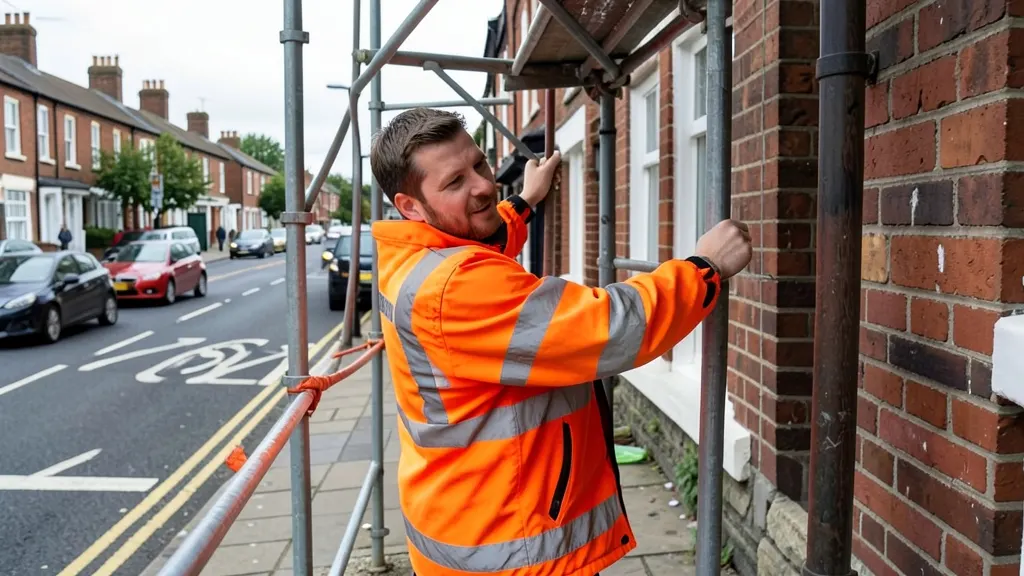
For active outdoor work in cold or windy conditions, the hi vis soft shell jacket wins. Groundworkers, scaffolders, warehouse staff moving between buildings and roadside operatives on exposed verges all benefit from the combination of warmth, stretch and visibility. The windproof quality matters more than many people expect. A windproof hi vis jacket lets you stay focused on the task instead of the weather.
For cyclists, the answer depends on the season. In dry, cold weather a softshell is excellent. The Highway Code (Rule 59) notes that light-coloured or fluorescent clothing helps other road users see a cyclist in daylight and poor light, while reflective material increases visibility in the dark. A softshell with good reflective bands covers both bases, and the stretch suits a riding position. In wet weather you may prefer a waterproof shell over the top. Our cycling hi-vis buyer's guide goes into more detail.
For dog walkers, a softshell is often the comfortable middle ground for winter evenings, since Rule 17 of the Highway Code recommends wearing something reflective at night to make it easier for others to see you. Our guide to hi-vis jackets for dog walking covers the practical choices.
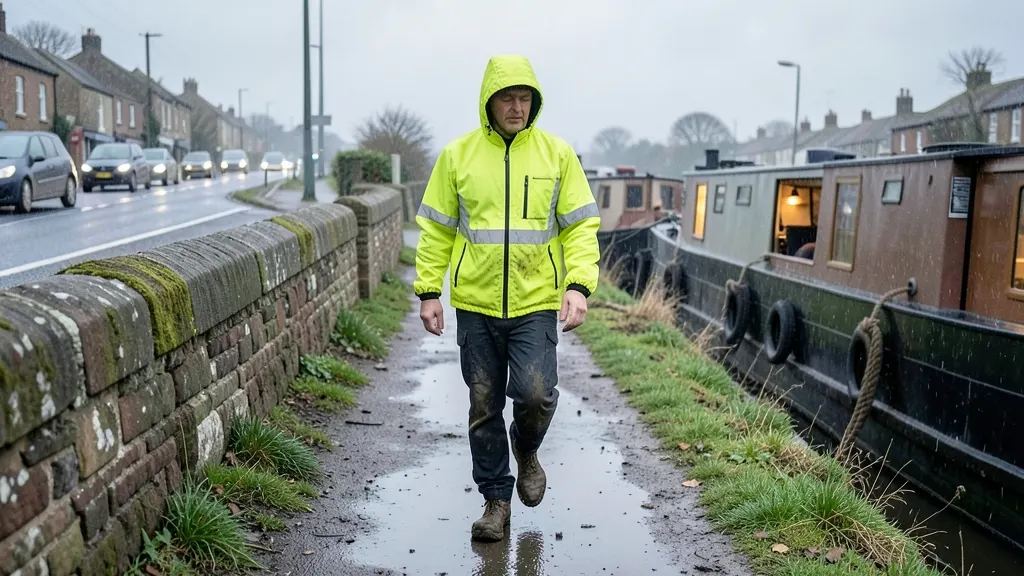
For anyone facing sustained rain, whether that is a drainage crew, a motorcyclist or a winter commuter on a wet route, the waterproof shell remains the better tool. For low-risk, short-duration or occasional use, the lightweight jacket remains perfectly adequate, and for children the basics are covered in our page on kids hi vis jackets.
One point for employed readers: under the Personal Protective Equipment at Work Regulations 1992, employers must provide suitable PPE to workers exposed to a risk to their health or safety, unless that risk is adequately controlled by other means. Since 6 April 2022, those duties also cover limb (b) workers, and the PPE must be provided free of charge. If a softshell is what the job needs, it is not something you should be buying yourself.
Whichever garment you end up with, look after it. HSE guidance says reusable PPE must be cleaned and kept in good condition, and hi-vis jackets in particular must be cleaned regularly. Dirt and grime dull fluorescence, so a neglected jacket is a less visible jacket. Workers must report any loss, destruction or obvious defect.
Quick decision guide
Choose a softshell hi vis jacket if you work or travel outdoors in cold, dry or showery weather and want warmth, stretch and visibility in one garment.
Choose a waterproof shell if staying dry in prolonged rain matters more than flexibility and warmth.
Choose a lightweight mesh or polyester jacket if visibility is the only requirement and comfort is secondary.
Check the class before buying. Class 2 is the common standard for site and roadside work, while class 3 is needed where traffic is fast or the wearer works at night on high-speed roads.
Look for retroreflective bands placed to catch headlights as you move, since reflective material can be seen by drivers up to three times further away than non-reflective material, as the Highway Code's Rule 3 points out.
If you want a broader overview of styles before deciding, start with our main guide to hi-vis jackets: how to choose the right one.
Frequently asked questions
Is a softshell hi vis jacket waterproof?
Most softshells are water resistant rather than fully waterproof. They will shrug off light showers and drizzle, but sustained heavy rain will eventually soak through. If you spend long periods in the rain, a coated waterproof hi-vis jacket is the better choice.
What EN ISO 20471 class should a hi-vis softshell jacket be?
Class 2 is the most common class for softshells and suits most site work, commuting and roadside trades. Class 3 is the highest class, requiring at least 0.80 m2 of fluorescent background material and 0.20 m2 of retroreflective material, and is needed for high-risk settings such as working near fast traffic.
Are softshell hi vis jackets good for cycling?
They suit dry, cold rides well because the stretch accommodates a riding position and the fabric blocks wind. In the dark, reflective bands on the jacket help drivers see you much sooner than non-reflective material. For wet rides, a waterproof shell is the more practical option.
Does my employer have to provide my hi-vis softshell jacket?
If you are a worker exposed to a health or safety risk that is not adequately controlled by other means, yes. Under the Personal Protective Equipment at Work Regulations 1992, employers must provide suitable PPE, and since 6 April 2022 these duties cover limb (b) workers as well. The employer must provide it free of charge.
How do I keep a hi-vis softshell jacket working well?
Clean it regularly and keep it in good condition. HSE guidance is clear that hi-vis jackets must be cleaned regularly, and workers must report any loss, destruction or obvious defect. Dirt and grime reduce both fluorescence and reflectivity, so a neglected jacket is less visible.