How to wash a hi-vis jacket
Last updated
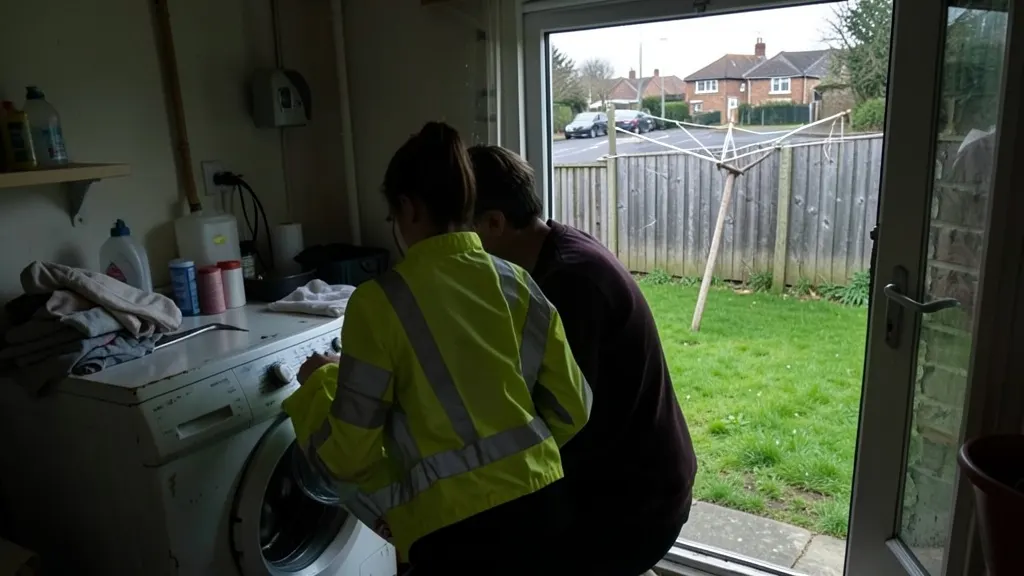
A hi-vis jacket only works while it is bright and reflective. Dirt, grease and grime dull the fluorescent colour, and scratched or peeling reflective strips stop bouncing light back at drivers. Washing a hi-vis jacket correctly is therefore part of keeping it safe, not just part of keeping it tidy. HSE guidance is clear that reusable PPE must be cleaned and kept in good condition, and hi-vis jackets must be cleaned regularly. Workers also have a duty to report any loss, destruction or obvious defect.
This guide covers washing hi-vis clothing at home: what you need, the steps in order, common mistakes, and how to tell when a jacket has had its day.
What you need before you start
Gather the following:
- The care label from your jacket, if it is still legible. Read it first. It overrides any general advice, including this guide.
- A soft brush or damp cloth for removing mud and debris.
- Ordinary laundry detergent. Avoid fabric conditioner, bleach and stain removers containing bleach.
- A washing machine, or a basin of warm water if you prefer to wash by hand.
- Somewhere flat or on a hanger to dry the jacket naturally.
If the jacket belongs to you through work, check whether your employer organises cleaning. Under the Personal Protective Equipment at Work Regulations 1992, employers must provide suitable PPE to workers exposed to a health and safety risk, and since 6 April 2022 those duties cover limb (b) workers as well, with the PPE provided free of charge.
How to wash hi-vis clothing, step by step
Yes, you can wash a hi-vis jacket, and most of the time it is simpler than people expect.
- Check the care label. Every legitimate hi-vis garment should have one. Follow the temperature and drying instructions it gives.
- Close everything up. Do up zips, and fasten any hook and loop straps so they cannot catch on the fabric and snag the reflective bands.
- Brush off loose dirt first. Mud, grit and dust act like sandpaper in the wash. Brush it off outdoors before the jacket goes anywhere near water.
- Pre-treat heavy stains gently. Dab grease or oil marks with a little detergent and warm water. Rubbing hard can damage the fabric surface and dull the colour.
- Wash separately or with similar colours. Hi-vis yellow and orange can transfer dye to pale washing, and dark colours can transfer the other way. Washing the jacket alone or with other hi-vis items avoids surprises.
- Use ordinary detergent, not fabric conditioner. Fabric conditioner leaves a film on retroreflective strips and can permanently reduce how well they reflect. If you want to understand why this matters, read How reflective material works.
- Skip the bleach and any strong stain chemicals. Bleach attacks fluorescent dye. A jacket washed with bleach may look clean but will no longer glow properly under daylight or headlights.
- Dry naturally. Hang the jacket up or lay it flat, and let it dry at room temperature. Keep it well away from direct radiators, and check the care label before considering a tumble dryer, because heat can damage reflective bands and reflective taping.
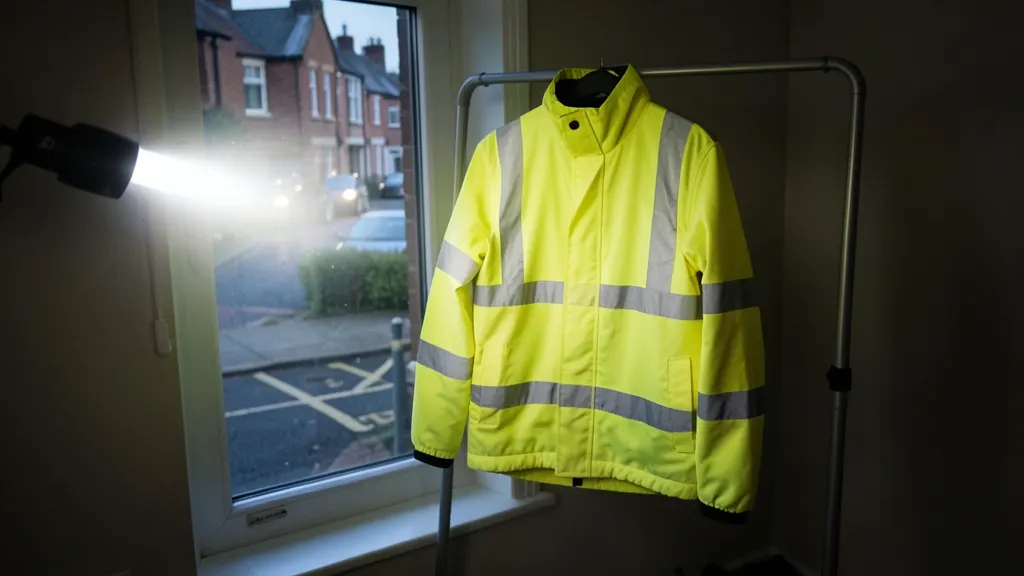
- Inspect it once dry. Hold the jacket under daylight and then shine a torch or phone light at it in a dim room. The fluorescent areas should look bright and even, and the reflective strips should shine clearly when light hits them.
Common mistakes and how to fix them
- Washing with fabric conditioner. If you have already done it, wash the jacket again with detergent only and no conditioner. Some of the reflectivity may return, but the strips may be permanently dulled.
- Using bleach or harsh stain removers. Faded patches on a fluorescent panel cannot be restored. If a yellow or orange panel has gone patchy and pale, the jacket is no longer doing its job.
- Scrubbing reflective bands. The strips are the most fragile part of the garment. Clean them gently with a soft cloth. If a strip is peeling or cracked, it will not reflect properly, and no amount of careful washing will bring it back.
- Leaving mud on for weeks. Ground-in dirt stains the fluorescent fabric and shortens the jacket's useful life. Brush the jacket down after each muddy outing, such as a dog walk, and do a full wash when it is visibly dirty. See How to be seen walking a dog at night for kit that copes with muddy conditions.
- Boiling it to get it clean. Aggressive hot washing can shrink the fabric and distort the reflective bands. Warm water and ordinary detergent will clean almost everything a hi-vis jacket picks up.
When to stop washing and replace the jacket instead
Washing maintains a jacket, but it cannot repair one. Replace the jacket when:
- Fluorescent areas have faded or turned grey, or the colour is visibly uneven.
- Reflective strips are peeling, cracked or missing.
- The fabric is worn thin, torn, or the seams are coming apart.
- The jacket no longer closes properly, for example a broken zip.
For a work jacket, the class label matters. A garment certified to class 3 under EN ISO 20471, the highest class, needs at least 0.80 square metres of fluorescent background material and 0.20 square metres of retroreflective material. Once fading or damage reduces that coverage in practice, the jacket no longer meets its original specification. Our guide to Hi-vis classes explained: EN ISO 20471 made simple covers the three classes in more detail, including the minimum areas for class 1 and class 2.
The Highway Code also sets the expectation behind all of this. Rule 17 asks anyone out at night to wear something reflective, and Rule 59 notes that light-coloured or fluorescent clothing helps road users see a cyclist in daylight and poor light, while reflective clothing or accessories increase visibility after dark. A clean, intact jacket is what makes those rules actually work for you.
A final practical tip: buy a spare. Having two jackets means you can wear one while the other dries, so you are never tempted to head out in a damp or dirty one.
Frequently asked questions
Can you wash a hi-vis jacket in a washing machine?
Usually yes. Check the care label first and follow its instructions. Close the zip and any hook and loop fastenings, wash with ordinary detergent, skip fabric conditioner and bleach, and dry the jacket naturally rather than on a direct heat source.
How often should I clean a reflective jacket?
Clean it whenever it is visibly dirty, and brush mud off after every use. HSE guidance says hi-vis jackets must be cleaned regularly as part of keeping PPE in good condition. Inspect the fluorescent fabric and reflective strips each time the jacket dries.
Why does fabric conditioner ruin hi-vis?
Fabric conditioner leaves a residue over retroreflective strips, which stops them returning light to drivers properly. It can also dull fluorescent dye. If you have used it by mistake, rewash with detergent alone, though some reflectivity may already be lost.
How do I know when a hi-vis jacket needs replacing?
Replace it if the fluorescent colour has faded or gone grey, if reflective strips are peeling or cracked, or if the fabric is damaged. A class 3 jacket under EN ISO 20471 is certified with at least 0.80 square metres of fluorescent material and 0.20 square metres of retroreflective material, and wear that reduces that coverage means it should be retired.
Does washing remove the EN ISO 20471 class?
The certification is set at manufacture and covers the original garment. Repeated harsh washing, bleach and heat can degrade the fluorescent and retroreflective materials until the jacket no longer performs to that class in practice, so gentle washing is how you protect the rating for as long as possible.