Hi-vis for the school run: choosing a childs hi vis jacket in Cambridge
Last updated
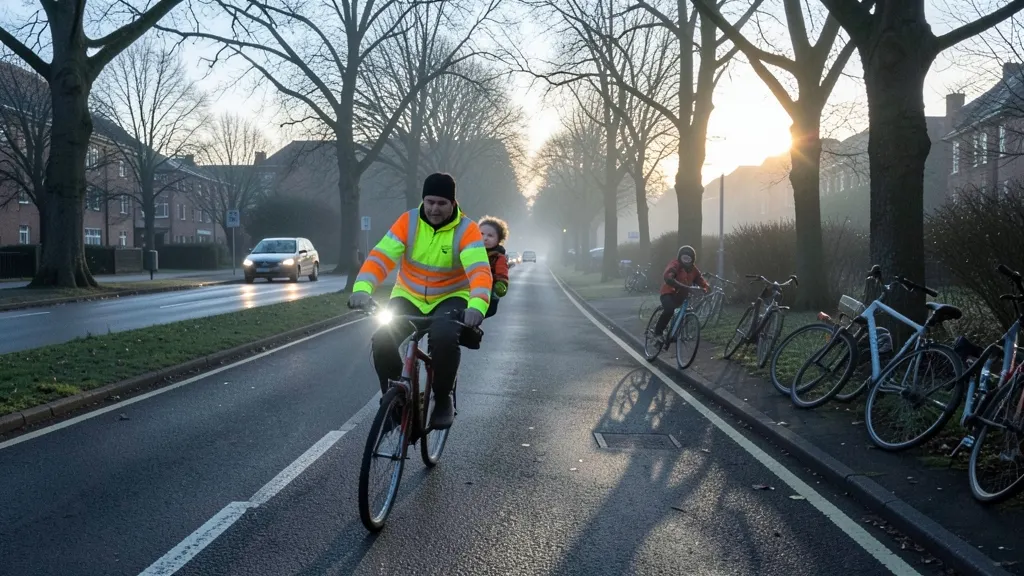
Cambridge is a cycling city. The 2001 census recorded that 25% of residents travelled to work by bicycle, and the city still has the highest level of cycle use in the UK. That matters enormously on the school run, because plenty of families take their children to school by bike or on foot, sharing space with cars, vans and buses on roads that can get busy around drop-off and pick-up times. A good childs hi vis jacket is one of the simplest ways to make sure a small person gets noticed.
If you are new to hi-vis, our Hi-vis clothing in Cambridge: a local guide explains how the city's roads and cycle traffic shape what families wear. This page focuses on the jacket itself: what to look for, how Cambridge conditions change the picture, and the mistakes worth avoiding.
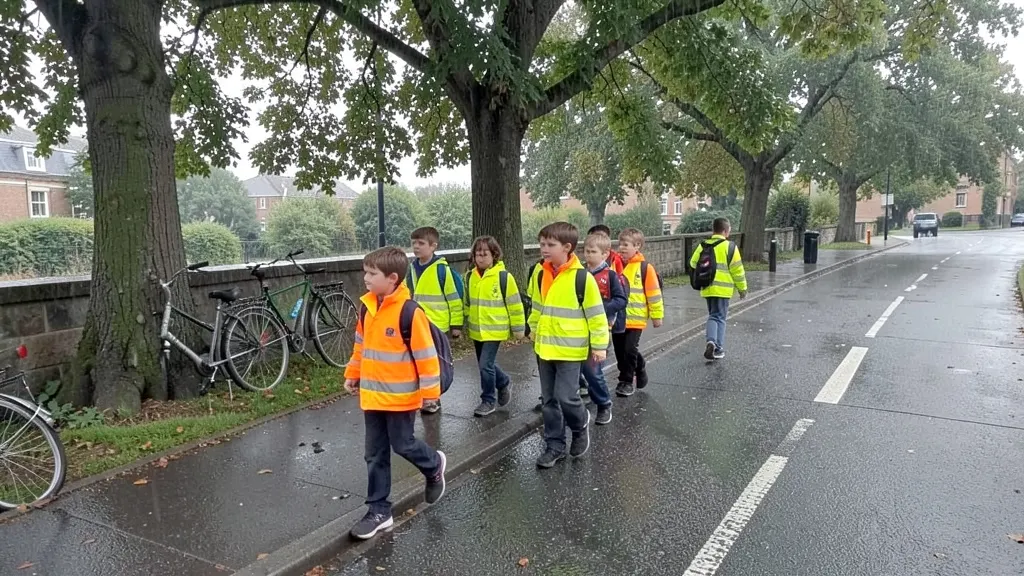
A checklist for choosing a kids hi vis jacket
Before you buy any kids hi vis jacket, work through this list. It applies whether your child cycles, walks or rides on the back of your bike.
- Fluorescent material for daytime. Fluorescent yellow, green or pink shows up best in daylight and poor light. The Highway Code's Rule 59 says light-coloured or fluorescent clothing can help other road users see a cyclist in daylight and poor light, and the same logic applies to a child on the pavement or on a bike seat.
- Reflective strips for darkness. Reflective bands catch headlights and glow back at drivers. Rule 3 of the Highway Code notes that reflective materials can be seen by drivers using headlights up to three times as far away as non-reflective materials. Look for strips around the body and arms, not just a small logo-sized patch.
- A decent fit. A jacket that flaps around or hangs off the shoulders covers less of the child and hides the reflective bands. Sleeves should reach the wrists, and the hem should sit at the hip.
- Room for a jumper or fleece underneath, but not much more. If the jacket is bought in autumn, remember your child may wear a school jumper under it in winter.
- A front zip a child can work alone. Small hands struggle with stiff zips, and a frustrated child will leave the jacket open, which hides the reflective detail.
- A high collar or hood that does not block their view. Children on bike seats or in child seats need to turn their heads to look around.
- Washability. Fluorescent fabric dulls with ground-in dirt. A jacket you can bung in the machine gets worn far longer than one that needs special care.
Our Kids hi vis jackets: myths and facts page goes deeper on the differences between fluorescent and reflective materials, and How does reflective material work? A simple guide explains the science in plain English.
How Cambridge conditions change the checklist
A few local facts should shape your thinking when you choose a childrens high visibility jacket in this city.
The cycle traffic is heavier than almost anywhere
Cambridge lies on fairly flat land, which is part of the reason cycling is so popular. More bikes mean more mixed traffic at peak times, and the school run overlaps with commuter traffic. With the city's population of 145,700 rising to 181,137 across the wider built-up area, the roads around schools carry a lot of vehicles and riders at the same time. Reflective detail matters more here than in a quieter town, because drivers are watching for so many things at once.
Darkness comes early for much of the year
In Cambridge there are 123 days a year when sunset comes before half past five in the evening or sunrise after quarter to eight in the morning, so a normal journey is partly in the dark. On the winter solstice, sunrise is at 08:06 and sunset is at 15:48, giving just 7h 42m of daylight. For a school run at around 08:00 or a collection at 15:30 in December, fluorescent colour does very little. Reflective strips, reflective accessories and working bike lights carry the load. If your child cycles, Rule 60 of the Highway Code requires a white front light and red rear light, lit, plus a red rear reflector, at night.
Rain and damp mornings
The East of England is not the wettest part of the UK, but winter drizzle and damp mornings are common enough to consider a school hi vis jacket that is also waterproof. A wet child pulls a hood up, which can hide reflective detail, so choose a jacket where the reflective bands sit clear of the hood line. Our Waterproof hi vis jackets: myths and facts page covers what to check, and Winter hi vis jackets: a practical buyer's guide has more on cold-weather layering.
If you cycle the school run yourself
Parents ferrying children by bike are the ones drivers often spot first, or last. Rule 59 suggests fluorescent clothing for daylight and poor light, and reflective clothing or accessories such as belts, arm or ankle bands in the dark. If you commute on, see our Hi vis jacket cycling Cambridge: a commuter guide. Our How to keep children visible walking to school guide also has ideas for reflective backpack covers, which work well on a child seat.
Common mistakes to avoid
- Buying a jacket on fluorescent colour alone. In December gloom, a plain fluorescent jacket without reflective bands looks grey to a driver with headlights on. Both material types matter, at different times of day.
- Sizing up too much so it lasts two years. An oversized jacket slips, flaps and covers less reflective area. Fit this year's child, not next year's.
- Forgetting the school bag. A rucksack worn over the jacket can hide most of the reflective bands. Reflective strips on the bag, or a reflective bag cover, fix this.
- Letting the jacket get filthy. Guidance from the Health and Safety Executive on reusable hi-vis says it must be cleaned regularly and kept in good condition. That advice is aimed at workplace PPE, but the principle holds at home: a dirty fluorescent jacket loses the brightness you bought it for.
- Assuming hi-vis replaces lights. It does not. Rule 60 is clear that a cycle used at night needs lit lights and a rear reflector, and hi-vis is a supplement, not a substitute.
- Relying on one big reflective patch. Bands that wrap around sleeves and the torso are visible from the side and behind, not just head-on.
Get those things right and a childs hi vis jacket in Cambridge is a small purchase that does a genuinely useful job through the dark weeks of the school year.
Frequently asked questions
Does my child need a childrens high visibility jacket in Cambridge?
Cambridge has the highest level of cycle use in the UK, so roads get busy with mixed traffic around school times. A hi-vis jacket helps drivers spot a child in daylight and, if it has good reflective bands, in the dark. The Highway Code's Rule 17 says to wear something reflective at night, and the same advice applies to children.
Is a fluorescent jacket enough on dark winter mornings?
No. Fluorescent material works in daylight and poor light, but it does not glow in the dark. On the winter solstice in Cambridge the sun rises at 08:06 and sets at 15:48, so much of the school run happens without daylight. You need reflective strips, and working bike lights if your child cycles.
What should I check when buying a kids hi vis jacket?
Look for fluorescent material, generous reflective bands around the body and sleeves, a proper fit with room for a jumper, a zip a child can manage alone, and a washable fabric. If the jacket will double as rainwear, check the reflective bands sit clear of the hood line.
Can my child just wear their school bag instead of a jacket?
A reflective bag or bag cover helps, but a rucksack worn over a jacket can hide its reflective bands. The best approach is a jacket plus reflective detail on the bag, so the child is visible from the front, side and back.
Do hi-vis jackets replace bike lights for cycling to school?
They do not. Rule 60 of the Highway Code requires a cycle used at night to have a white front light and red rear light lit, plus a red rear reflector. Hi-vis clothing supports visibility, but lights and reflectors are the legal requirement.