Hi-vis clothing in Cambridge
Last updated
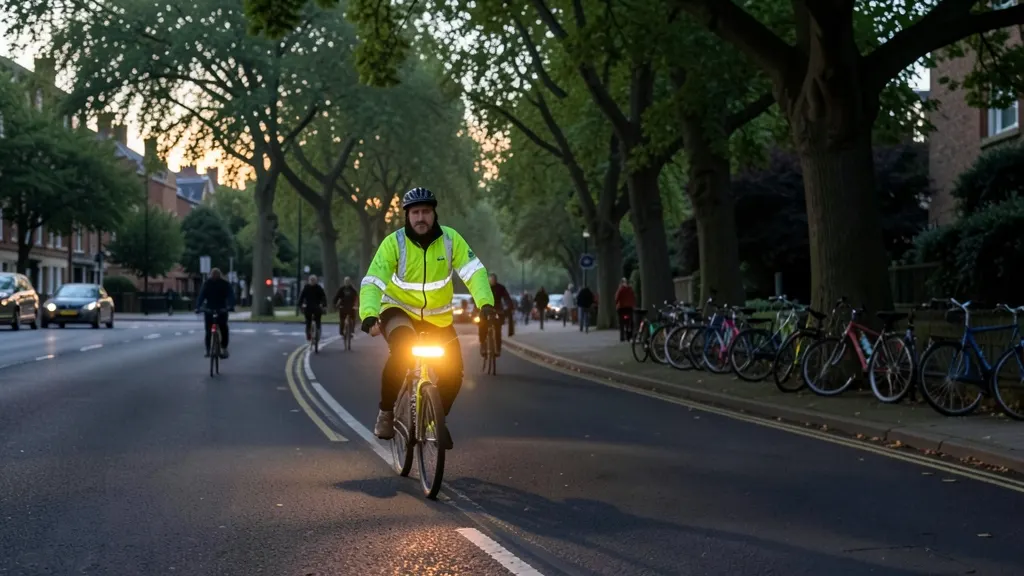
Cambridge sits on fairly flat land in the East of England, and that geography helps explain why so many people here travel by bicycle. According to the 2001 census, 25% of residents travelled to work by bike, and the city has the highest level of cycle use in the UK. With a population of 145,700 in the city itself, rising to 181,137 across the wider built-up area, that adds up to a lot of people sharing the roads, and a lot of people who need to be seen.
The city is best known for its universities. The University of Cambridge was founded in 1209, and Anglia Ruskin University also has its main campus here. Alongside that academic heritage, Silicon Fen supports software and bioscience industries, and the Cambridge Biomedical Campus is one of the largest biomedical research clusters in the world. So the streets carry a steady mix of students, commuters, workers and visitors, many of them on two wheels.
Winter makes visibility a real issue. On the winter solstice in Cambridge, sunrise is at 08:06 and sunset at 15:48, giving just 7h 42m of daylight. There are 123 days a year when sunset comes before half past five in the evening or sunrise after quarter to eight in the morning, so a normal commute is partly in the dark. When the clocks go back on 25 October 2026, sunset in Cambridge that day is at 16:44, right in the middle of the evening journey home.
What this guide covers
This page is the hub for our Cambridge hi-vis content. From here you can read about the three situations where visibility matters most to local people.
The first is hi-vis for cycling and commuting in Cambridge. With more people cycling to work here than anywhere else in the UK, this is the natural starting point for most readers. It covers choosing a hi vis jacket for daily riding, what to look for in reflective detailing, and how to stay visible on winter evenings.
The second is hi-vis for running in Cambridge. The city centre has large green areas such as Jesus Green, Parker's Piece and Midsummer Common, and Sheep's Green is one of the water meadows within the city. Between them, these spaces support a strong running culture, and runners heading out before work or after sunset benefit from reflective gear.
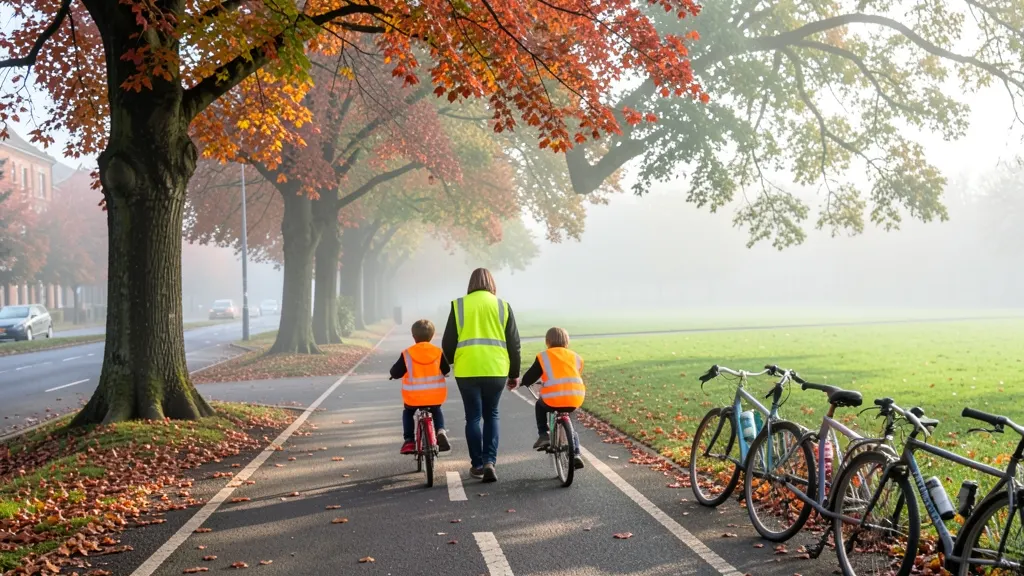
The third theme is the school run and children. Many families here cycle children to school, which means youngsters are on shared roads in the same low light as everyone else. Our kids hi vis jackets: myths and facts page explains what helps children be seen, and what claims you can safely ignore.
General hi-vis guidance for Cambridge
A few principles apply whatever you are doing, so it is worth getting them straight before you choose a garment.
Understand the difference between fluorescent and reflective. Fluorescent colours help drivers see you in daylight and poor light. Reflective material only works properly when light is shone at it, which is why it matters after dark. The Highway Code makes this distinction directly. Rule 59 says light-coloured or fluorescent clothing can help other road users see a cyclist in daylight and poor light, while reflective clothing or accessories such as belts, arm or ankle bands can increase visibility in the dark. Rule 3 adds that reflective materials, including armbands, sashes, waistcoats, jackets or footwear, can be seen by drivers using headlights up to three times as far away as non-reflective materials.
Cyclists should remember that clothing is only part of the picture. Rule 60 requires a cycle used at night to have a white front light and red rear light lit, plus a red rear reflector. Rule 17 also advises pedestrians, and that includes anyone walking a bike or walking home, to wear something reflective at night.
If you are buying a jacket for work purposes, check the standard. EN ISO 20471 has three classes. Class 1 requires a minimum fluorescent background area of 0.14 m2 and 0.10 m2 of retroreflective material. Class 2 requires 0.50 m2 and 0.13 m2 respectively. Class 3, the highest, requires at least 0.80 m2 of fluorescent background material and 0.20 m2 of retroreflective material. Most everyday commuter jackets are not certified to this standard, which is fine for most people, but workers exposed to road risks may need certified PPE. Under the Personal Protective Equipment at Work Regulations 1992, employers must ensure suitable PPE is provided to workers exposed to a health or safety risk unless that risk is adequately controlled by other means, and since 6 April 2022 those duties also cover limb (b) workers, with the PPE provided free of charge.
Look after what you buy. HSE guidance says reusable PPE must be cleaned and kept in good condition, and hi-vis jackets, trousers and coveralls must be cleaned regularly. Dirt and wear reduce both fluorescence and reflectivity, so wash garments according to the label and replace anything where the reflective strips have stopped bouncing light back.
For rides out of the city, remember that Cambridge is adjacent to the M11 and A14, so anyone cycling on faster rural roads around the edge of town should treat visibility even more seriously than on the city streets.
Where to read next
If cycling is your main activity, start with our guide to hi-vis jackets for cycling, then read the local page on hi-vis for cycling and commuting in Cambridge.
Runners should begin with hi-vis jackets for running and follow up with hi-vis for running in Cambridge.
For winter use, winter hi vis jackets covers warmth and visibility together, while waterproof hi vis jackets deals with rain, which Cambridge sees plenty of.
To see how Cambridge compares with neighbouring areas, our hi-vis clothing in East of England regional guide puts the city in context.
Cambridge at a glance
- Nation: England
- Region: East of England
- Population: 145700
| Measure | Time |
|---|---|
| Sunrise on the winter solstice | 08:06 |
| Sunset on the winter solstice | 15:48 |
| Daylight on the winter solstice | 7h 42m |
| Sunset when the clocks go back (2026-10-25) | 16:44 |
| Days a year with a dark commute | 123 |
Frequently asked questions
Do I need a certified hi-vis jacket to cycle in Cambridge?
No. EN ISO 20471 certification is aimed at workers exposed to road risks, and most commuter clothing is not certified. For everyday cycling, look for fluorescent material for daytime and plenty of reflective detail for after dark. Your bike must still have working lights and a rear reflector at night under Rule 60 of the Highway Code.
Why does visibility matter so much in Cambridge?
Cambridge has the highest level of cycle use in the UK, so the roads carry a large number of bikes alongside cars and buses. On the winter solstice, sunset is at 15:48, and there are 123 days a year when sunrise or sunset falls outside normal commuting hours, so many journeys happen partly in the dark.
Should children wear hi-vis on the school run?
Many families in Cambridge cycle children to school, so youngsters often travel on shared roads in low light. A fluorescent outer layer with reflective panels or bands helps drivers spot them sooner, and Rule 3 of the Highway Code notes that reflective materials can be seen by drivers using headlights up to three times as far away as non-reflective materials.
What is the difference between fluorescent and reflective clothing?
Fluorescent colours help you stand out in daylight and poor light. Reflective material works when a light source, such as a headlight, shines on it, which is what keeps you visible after dark. The best garments combine both, which is what the Highway Code advises in Rule 59 for cyclists.
How should I look after a hi-vis jacket?
Wash it regularly according to the label, because dirt and wear reduce both fluorescence and reflectivity. HSE guidance on reusable PPE says hi-vis garments must be cleaned and kept in good condition, and that any loss or obvious defect should be reported. If the reflective strips have stopped returning light, replace the jacket.