Hi-vis jackets for cycling and commuting in Brighton and Hove
Last updated
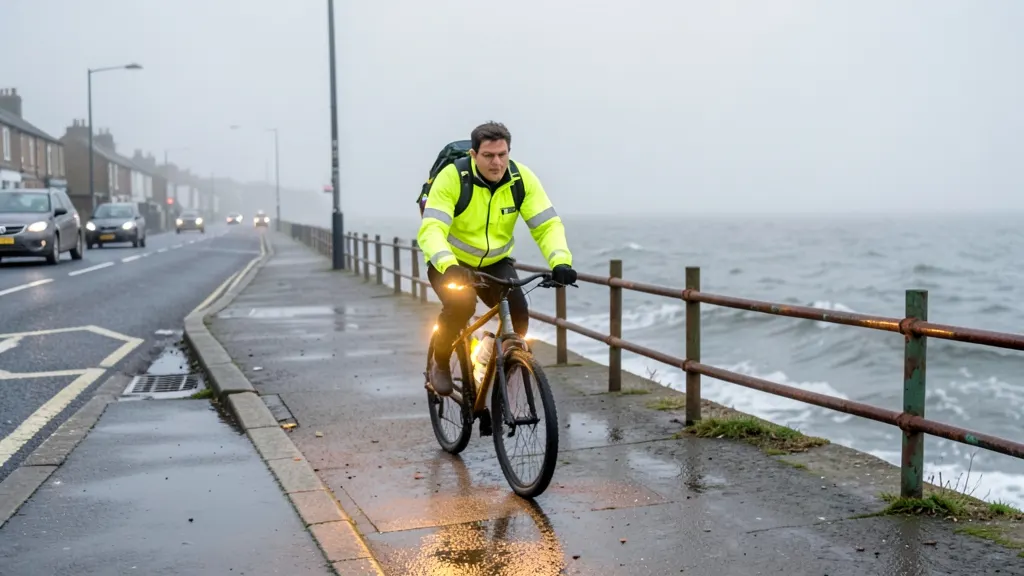
Brighton and Hove is a city built around riding a bike. With a population of 284,170 in 2025, thousands of people cycle to work, to the University of Sussex, to the University of Brighton and along the seafront every day. The city sits in the South Downs National Park, so it blends downland, coast and busy streets into one ride. Cyclists often share those streets with cars, buses and pedestrians, so being seen is not a nice extra. It is part of the journey.
A good hi vis jacket for cycling does two jobs. Fluorescent material helps drivers spot you in daylight and poor light. Retroreflective material catches headlights in the dark. The Highway Code makes this distinction clear. Rule 59 says light-coloured or fluorescent clothing can help other road users see a cyclist in daylight and poor light, while reflective clothing or accessories can increase visibility in the dark. You can read more in our guide to what the highway code says about hi-vis.
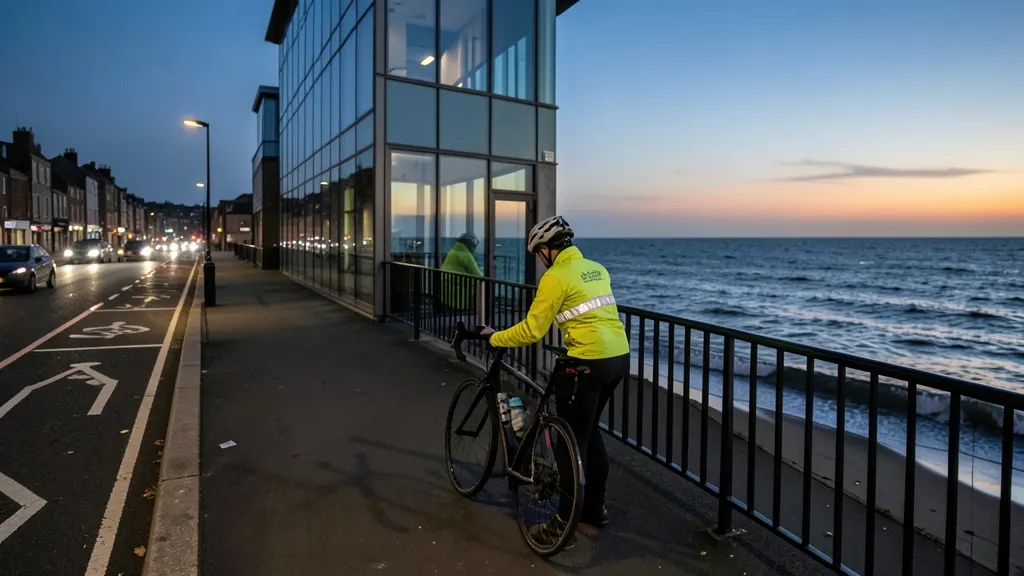
Checklist: what to look for in a cycling hi-vis jacket
Before you buy, run through this list.
- Fluorescent background material. Yellow, orange or pink fluorescent fabric. If a jacket claims to meet EN ISO 20471, class 2 requires at least 0.50 m2 of fluorescent background and 0.13 m2 of retroreflective material. Class 3 is the highest class, with at least 0.80 m2 of fluorescent material and 0.20 m2 of retroreflective material.
- Retroreflective bands. Look for strips around the chest, sleeves and lower back. Rule 3 of the Highway Code notes that reflective materials can be seen by drivers using headlights up to three times as far away as non-reflective materials.
- A cut that suits riding. Longer sleeves so your wrists stay covered when you reach the bars, and a longer back hem so it does not ride up.
- Ventilation. Cycling generates heat. Underarm vents or a back panel stop you cooking on climbs.
- Fit over layers. In winter you will wear a jumper underneath. Check the jacket still closes properly with a base layer on.
- Pockets you can reach on the move. Side or rear pockets beat chest pockets when you are leaning forward.
- Machine washable fabric. Reflective material needs regular washing to keep working, so check the care label before you buy.
If you want more detail, our hi-vis jackets for cycling buyer's guide goes deeper into the options.
How Brighton and Hove conditions change the checklist
The biggest local factor is light. On the winter solstice in Brighton and Hove, sunrise is at 08:00 and sunset is at 15:56, giving just 7 hours and 57 minutes of daylight. Across the year there are 121 days when sunset comes before half past five or sunrise after quarter to eight, which means a normal commute is partly in the dark. When the clocks go back on 25 October 2026, sunset that day is at 16:48, right in the middle of the evening ride home.
This shifts the balance of your checklist. In midwinter, retroreflective area matters more than fluorescent area, because most of your riding happens under headlights. Do not settle for a jacket with only a few thin strips. Add reflective ankle bands too. Ankles move as you pedal, and moving reflective material draws the eye.
Being a coastal city adds salt-laden air and frequent rain, so a waterproof hi vis jacket moves from optional to sensible. Wet gear reflects less light, and a soaked commuter is a miserable one. Sealed seams and a storm flap over the zip are worth having. Our page on waterproof hi vis jackets separates the myths from the facts, and the winter hi vis jackets guide covers cold-weather layering.
The A23 and A27 both serve the city, and plenty of commuting routes involve sharing busy roads with fast traffic. On roads like these, class 2 or class 3 coverage gives drivers more time to see you from a distance. That matters most where traffic is moving at speed and drivers are looking for cars, not bikes.
A jacket alone is never the whole answer. Rule 60 of the Highway Code requires a cycle at night to have a white front light, a red rear light lit, and a red rear reflector. Lights and hi-vis work together. See our guide to winter commute visibility for a full routine, and if you also walk the dog in the dark, our page on hi-vis for dog walking in Brighton and Hove covers that side of things.
Common mistakes to avoid
- Buying a yellow jacket with no reflective material. Bright yellow looks visible in the shop. In the dark, under headlights, plain fluorescent fabric performs little better than ordinary clothing. Check for retroreflective bands.
- Assuming one garment covers everything. A class 1 jacket may be fine on a quiet path but falls short on fast shared roads. Match the class to the traffic you actually ride in.
- Ignoring the wash label. HSE guidance on reusable PPE says hi-vis garments must be cleaned regularly and kept in good condition. Grime and wear cut reflectivity, and the same logic applies to your own jacket. Wash it, and replace it when the strips go dull or start peeling.
- Covering the reflective panels with a backpack. A rucksack hides the back of your jacket, which is exactly where approaching traffic looks. Choose a bag with its own reflective details, or wear reflective bands over the straps.
- Relying on hi-vis instead of lights. Rule 60 sets out the legal requirement for cycle lights at night. A reflective jacket without working lights leaves you far less visible than you think.
Get these details right and a high visibility cycling jacket becomes one of the most useful bits of kit you own in this city, from a grey January commute to a bright ride out towards the South Downs.
For everything else on staying seen around the city, see our main page on hi-vis clothing in Brighton and Hove.
Frequently asked questions
Do I legally have to wear hi-vis when cycling in Brighton and Hove?
No, hi-vis clothing is not a legal requirement for cyclists anywhere in the UK. The law, under Rule 60 of the Highway Code, requires a white front light, a red rear light and a red rear reflector at night. Hi-vis and reflective clothing are strongly recommended, but the choice is yours.
What class of hi vis jacket should a commuter cyclist choose?
For riding on busy shared roads, a jacket meeting class 2 of EN ISO 20471 is a sensible minimum. Class 2 requires at least 0.50 m2 of fluorescent background material and 0.13 m2 of retroreflective material. Class 3 offers more of both, with at least 0.80 m2 of fluorescent and 0.20 m2 of retroreflective material.
Why does a reflective jacket matter more than a fluorescent one in winter?
Brighton and Hove sees sunrise at 08:00 and sunset at 15:56 on the winter solstice, so many commutes happen entirely in the dark. Fluorescent material works best in daylight, while retroreflective material catches headlights. Rule 3 of the Highway Code notes that reflective materials can be seen by drivers up to three times as far away as non-reflective materials.
Should I choose a waterproof hi vis jacket for cycling here?
Yes, it is worth considering. Brighton and Hove is a coastal city, so rain and damp air are common and commutes often run in poor weather. A waterproof hi vis jacket keeps you comfortable, and a dry jacket reflects headlights better than a soaked one.