Hi-vis clothing across South East England
Last updated
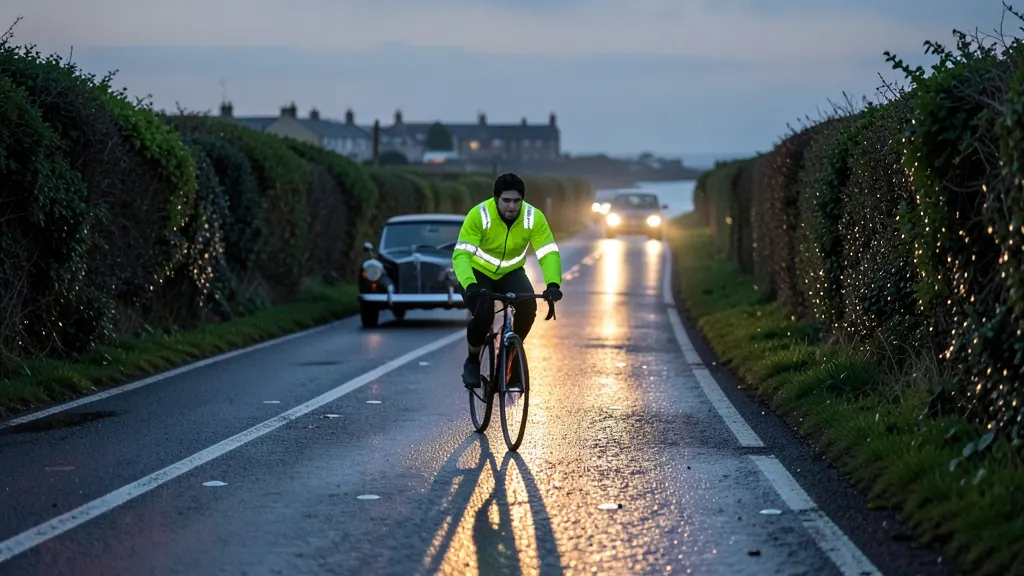
South East England mixes large working ports with busy commercial centres, university cities and fast-growing new towns. That mix shapes how people use hi-vis clothing here. Port workers and warehouse staff need garments that hold up to long shifts. Cyclists commuting between coastal towns and country lanes want something lighter but still visible. Dog walkers, runners and parents on the school run face the same short winter evenings as everyone else, and a hi vis jacket in South East England earns its keep across all of them.
What the places in this region share is heavy traffic, long commutes and a lot of time spent outdoors near moving vehicles. The Highway Code is blunt about why that matters. Rule 3 asks all road users to help others see them, and notes that reflective materials such as armbands, sashes, waistcoats, jackets or footwear can be seen by drivers using headlights up to three times as far away as non-reflective materials. That single fact explains most of the advice on this page.
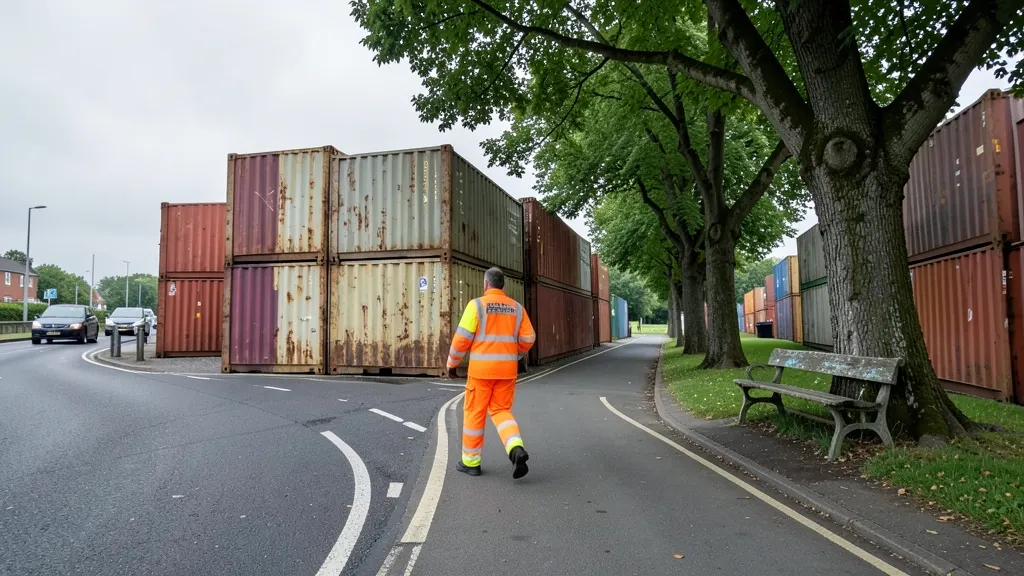
The places we cover
Brighton and Hove
Brighton and Hove has a population of 284,170 (2025 estimate). Its economy leans on a significant digital sector alongside an industrial port at Portslade-by-Sea, so the city spans office work, port logistics and a large population of cyclists and pedestrians on busy seafront roads. See our guide to Hi-vis clothing in Brighton and Hove for details.
Milton Keynes
Milton Keynes is a modern, grid-planned city of 264,349 people in its urban area (2021 census). Employment is about 90% service industries and 9% manufacturing. Its network of cycle routes and roundabouts makes visibility a daily concern. Our page on Hi-vis clothing in Milton Keynes covers it.
Oxford
Oxford, population 165,940 (2025 estimate), has manufacturing, publishing and science-based industries. Narrow historic streets, heavy cycling traffic and a large student population mean pedestrians and riders share tight road space with buses and cars. Read Hi-vis clothing in Oxford for more.
Portsmouth
Portsmouth, population 211,475 (2025 estimate), is home to a naval base and a ferry and cruise port, with electrical engineering a major employer. Dockside and industrial work bring their own requirements for certified garments. See Hi-vis clothing in Portsmouth.
Reading
Reading, with 203,795 people in its built-up area (2021 census), is a major commercial centre, especially for information technology and insurance. Commuter cycling and rail interchange walking routes dominate the hi-vis picture here. Our guide to Hi-vis clothing in Reading goes deeper.
Southampton
Southampton has a population of 248,922 (2021 census) and its container and cruise port sits alongside notable employers including the University of Southampton. Port and logistics workers make up a large share of the local hi-vis audience. See Hi-vis clothing in Southampton.
Conditions across the region
South East England has some of the busiest roads in the country, and daylight hours in winter are short wherever you are. Whatever the season, the same principles apply across the region.
For cyclists, Rule 59 of the Highway Code says light-coloured or fluorescent clothing can help other road users see you in daylight and poor light, while reflective clothing or accessories such as belts, arm or ankle bands increase visibility in the dark. Rule 60 requires a white front light, a red rear light and a red rear reflector after dark, and Rule 69 reminds cyclists to obey all traffic signs and traffic light signals. Lights and reflective kit work together, not instead of each other.
Motorcyclists get similar advice. Rule 86 says riders should make themselves as visible as possible from the side as well as the front and rear, for example with fluorescent clothing or strips, and Rule 87 says reflective clothing or strips should be worn when riding in the dark. For walkers, Rule 17 simply says to wear something reflective at night.
For anyone working near traffic or machinery, the standard to look for is EN ISO 20471, which has three classes. The lowest, class 1, requires a minimum fluorescent background area of 0.14 m2 and 0.10 m2 of retroreflective material. Class 2 raises those minimums to 0.50 m2 and 0.13 m2. The highest, class 3, requires at least 0.80 m2 of fluorescent background material and 0.20 m2 of retroreflective material, and is the class generally expected on high-speed roads.
Employers in the region have legal duties too. Under the Personal Protective Equipment at Work Regulations 1992, employers must ensure suitable PPE is provided to workers exposed to a risk to health or safety, unless the risk is adequately controlled by other means. Since 6 April 2022 those duties also cover limb (b) workers, and the employer must provide the PPE free of charge. HSE guidance adds that reusable PPE, including hi-vis jackets, trousers and coveralls, must be cleaned regularly and kept in good condition, with workers reporting any loss, destruction or obvious defect.
One more detail worth knowing: SATRA, a UK PPE testing body, notes that rail standard RIS-3279-TOM requires an orange colour and garments meeting at least class 2 of EN ISO 20471. Anyone working near rail lines in the region should check that their kit matches.
Where to read next
If you are unsure when hi-vis is actually required by law or by an employer's risk assessment, start with When is high visibility clothing required in the UK?. For a comparison with a different part of the country, see our guide to the Hi-vis jacket East Midlands: a regional guide. Each town page listed above covers local employers, commuting patterns and the sorts of hi-vis gear that suit them best.
Frequently asked questions
Which EN ISO 20471 class should a hi-vis jacket have?
EN ISO 20471 has three classes. Class 1 requires at least 0.14 m2 of fluorescent background material and 0.10 m2 of retroreflective material, class 2 requires 0.50 m2 and 0.13 m2, and class 3 requires at least 0.80 m2 and 0.20 m2. For roadside work near fast traffic, class 3 is the usual choice. For general cycling, running or walking, a class 2 garment is often enough.
Do I legally have to wear hi-vis on my bike in South East England?
The Highway Code does not make hi-vis compulsory for cyclists, but Rule 59 recommends light-coloured or fluorescent clothing in daylight and poor light, and reflective clothing or accessories in the dark. Rule 60 does require a white front light, a red rear light and a red rear reflector at night.
Does my employer have to supply hi-vis clothing for free?
Under the Personal Protective Equipment at Work Regulations 1992, employers must provide suitable PPE to workers exposed to a health or safety risk unless it is controlled by other means. Since 6 April 2022 this also covers limb (b) workers, and the employer must provide the PPE free of charge.
How should I look after a hi-vis jacket?
HSE guidance says reusable PPE must be cleaned and kept in good condition, and hi-vis jackets, trousers and coveralls must be cleaned regularly. Dirt and grime cut down both the fluorescent and the reflective effect. Report any loss, destruction or obvious defect to your employer rather than carrying on with damaged kit.