Hi-vis jackets in the East Midlands
Last updated
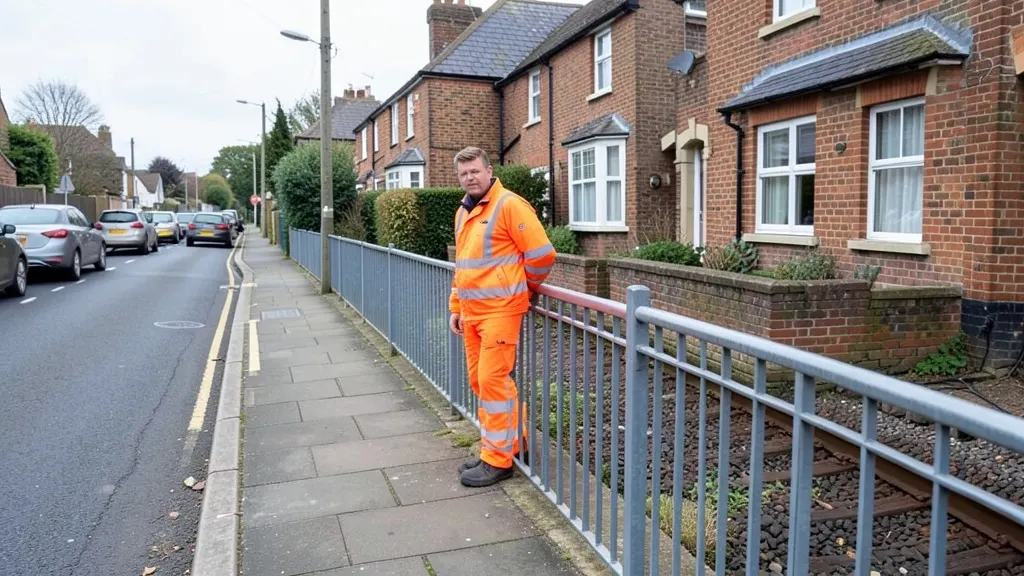
The East Midlands brings together a mix of industrial cities, historic towns and open countryside. For anyone choosing a hi-vis jacket here, the common thread is variety. You might be walking to a factory gate in Derby, cycling to work in Leicester, or riding a motorcycle along a rural lane near Lincoln. Each situation asks something slightly different of your jacket, but the underlying need is the same: being seen clearly in daylight, poor light and darkness.
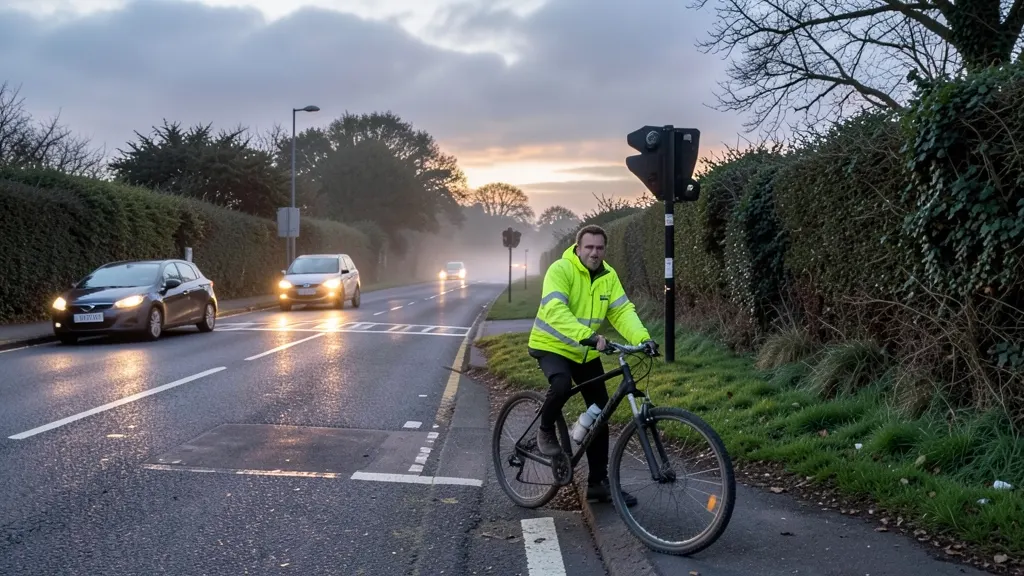
What the region's places share
Across the East Midlands, hi-vis jackets are worn by a wide range of people. Factory and rail workers need garments that meet recognised standards. Commuters and cyclists need something practical that also suits an ordinary working day. Parents on the school run and dog walkers in the fields around the region's cities often choose lighter, more flexible jackets that still carry enough reflective material to matter after dark.
The region's engineering heritage explains much of the demand. Where heavy industry has left its mark, hi-vis clothing has long been part of daily working life, and the habit has spread naturally to cyclists, runners and riders in the same communities.
Where this guide covers
We publish a dedicated hub for each place in the region. Here is a quick summary of what you will find.
Derby
Derby has a population of 275,344 (2025 estimate). It is home to Rolls-Royce engine manufacturing, Alstom builds trains at the Derby Litchurch Lane Works, and Toyota's UK headquarters is at Burnaston. That combination of advanced engineering and rail work means a steady need for properly certified hi-vis jackets. Our Hi-vis clothing in Derby page covers the detail.
Leicester
Leicester's population was 368,581 at the 2021 census for the unitary authority area. The city's economy was historically built on hosiery, textiles and footwear, with service sector jobs, particularly in retail, replacing some industrial work after the 1970s and 1980s. Retail and logistics work brings its own visibility needs, especially around loading areas and early shifts. See Hi-vis clothing in Leicester.
Lincoln
Lincoln had a population of 103,813 at the 2021 census, for the city district. Its heavy engineering heritage includes locomotives and gas turbines, and the University of Lincoln now uses former industrial space. Students and commuters mix with engineering workers on the city's streets, so hi-vis choices here range from workwear to everyday jackets. Our Hi-vis clothing in Lincoln page goes deeper.
Nottingham
Nottingham's population was 323,632 at the 2021 census. The city was historically associated with lace-making, bicycle and tobacco industries, and its metropolitan economy is the seventh-largest in the UK. With a large student and commuter population sharing the roads with commercial traffic, visibility matters at both ends of the day. Read more in Hi-vis clothing in Nottingham.
Region-wide conditions to plan for
Wherever you are in the East Midlands, winter means commuting in poor light or darkness at both ends of the day. That is when reflective material earns its keep. The Highway Code advises, in Rule 3, that in the dark you should use reflective materials such as armbands, sashes, waistcoats, jackets or footwear, because drivers using headlights can see them up to three times as far away as non-reflective materials. Rule 17 makes the same point in plain terms: at night, wear something reflective to make it easier for others to see you.
Cyclists should note that light-coloured or fluorescent clothing can help other road users see you in daylight and poor light, while reflective clothing or accessories such as belts, arm or ankle bands can increase visibility in the dark, as set out in Rule 59. Rule 60 adds that at night a cycle must have white front and red rear lights lit, plus a red rear reflector. Lighting and hi-vis work together, not instead of each other.
Motorcyclists in the region have specific advice too. Rule 86 says riders should make themselves as visible as possible from the side as well as the front and rear, for example with fluorescent clothing or strips. Rule 87 adds that when riding in the dark, reflective clothing or strips improve visibility. Country lanes and unlit rural roads make this especially relevant outside the cities.
Choosing a jacket that meets the standard
For workwear, EN ISO 20471 is the key standard. It has three classes, with a minimum fluorescent background area of 0.14 m2 for class 1, 0.50 m2 for class 2 and 0.80 m2 for class 3, and minimum retroreflective areas of 0.10, 0.13 and 0.20 m2 respectively. Class 3 is the highest, requiring at least 0.80 m2 of fluorescent background material and 0.20 m2 of retroreflective material. For everyday use, a lower class may be enough, but for road-side or rail-side work the higher classes are the safe choice.
Employers should also be aware of their duties. Under the Personal Protective Equipment at Work Regulations 1992, employers must ensure suitable PPE is provided to workers exposed to a risk to health or safety, unless the risk is adequately controlled by other means. Since 6 April 2022 these duties also cover limb (b) workers, and the employer must provide the PPE free of charge.
Looking after your jacket matters as much as buying the right one. HSE guidance says reusable PPE must be cleaned and kept in good condition, and hi-vis jackets, trousers and coveralls must be cleaned regularly. Workers must report any loss, destruction or obvious defect.
Related guides
We also cover other regions, including Hi-vis clothing in East of England: a regional guide, Hi-vis jacket Greater London: your regional guide and Hi-vis clothing in Greater Manchester.
Frequently asked questions
What class of hi-vis jacket do I need in the East Midlands?
For everyday cycling, walking or the school run, a jacket with modest fluorescent and reflective areas is usually enough. For roadside or industrial work, look for class 2 or class 3 under EN ISO 20471, which requires at least 0.50 m2 and 0.80 m2 of fluorescent background material respectively. Rail work has its own colour and class requirements, so check the site rules first.
Is a hi-vis jacket enough for cycling at night?
A jacket helps but it is not the whole answer. The Highway Code says that at night a cycle must have white front and red rear lights lit, plus a red rear reflector. Reflective accessories such as arm or ankle bands can add visibility beyond what the jacket alone provides.
Does my employer have to supply a hi-vis jacket?
Under the Personal Protective Equipment at Work Regulations 1992, employers must provide suitable PPE to workers exposed to a health or safety risk, unless the risk is adequately controlled by other means. Since 6 April 2022 the duties also cover limb (b) workers, and the employer must provide the PPE free of charge.
How do fluorescent and reflective materials differ?
Fluorescent material helps drivers see you in daylight and poor light, while retroreflective material returns light from headlights and works best in the dark. A good hi-vis jacket combines both, which is why the EN ISO 20471 classes set minimum areas for each.