Hi-vis jackets for dark winter commutes in Aberdeen
Last updated
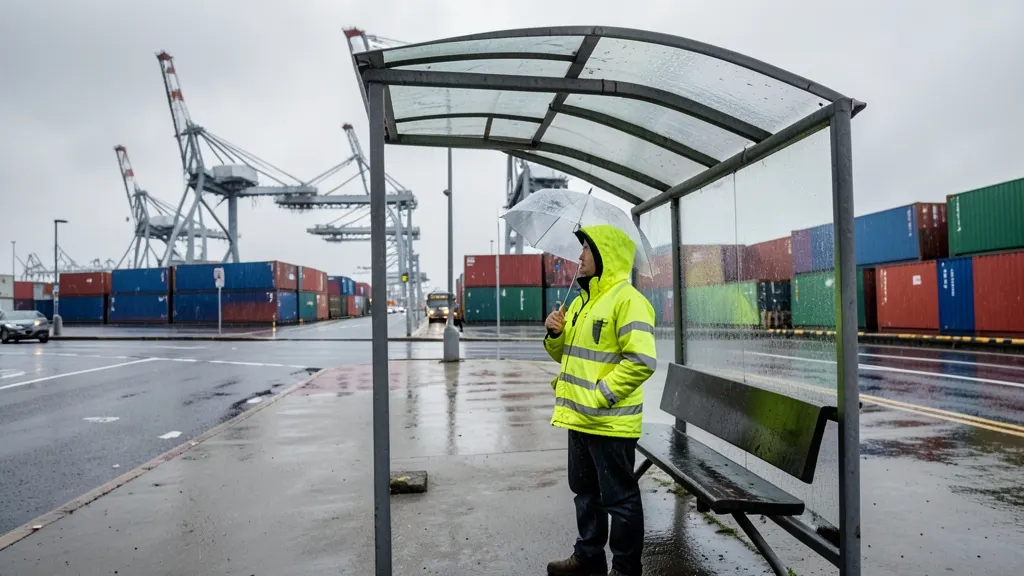
Aberdeen sits far north, and that shows in the winter light. On the winter solstice the sun rises at 08:46 and sets at 15:26, giving just 6 hours and 41 minutes of daylight. That means anyone travelling to or from work around those hours is doing it in the dark, or in the flat grey light of a short afternoon. Across the year, there are 131 days in Aberdeen when sunset falls before half past five or sunrise comes after quarter to eight in the morning. A normal commute is partly in the dark for a large slice of the calendar.
This matters more here than in most UK cities. The city is home to around 230,180 people in the Aberdeen City council area, many working shifts around the harbour and the offshore oil industry. Aberdeen Harbour has been operating since 1136 and is the largest port in the north of Scotland, and North Sea oil work since 1969 means plenty of early starts, late finishes and night shifts. Whether you drive the A90, cycle the Deeside Way, or walk through one of the city's 45 parks and gardens in the gloaming, the problem is the same: in poor light, a dark jacket makes you close to invisible.
What short days mean for what you wear
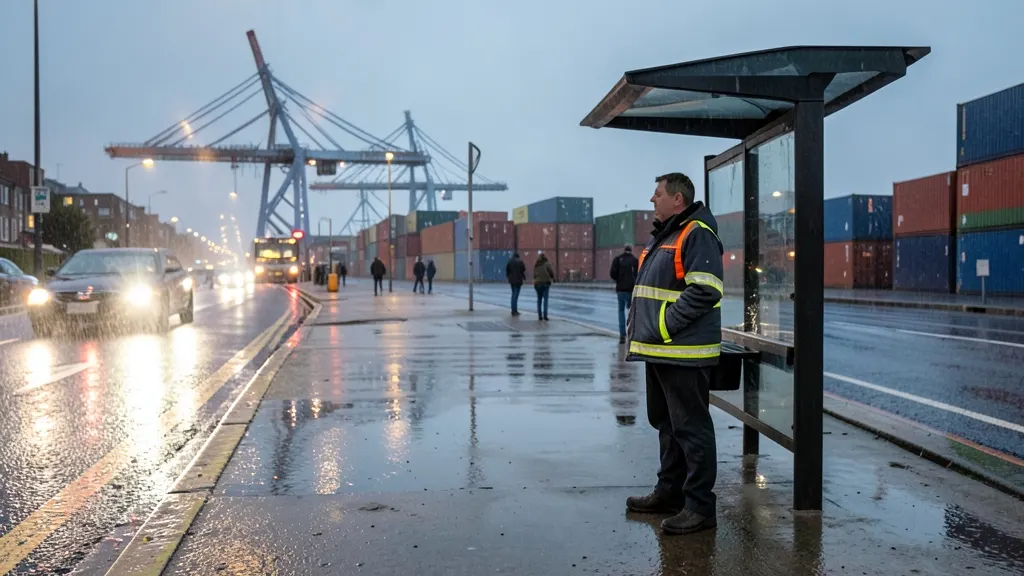
The key thing to understand is the difference between two kinds of material, because both do a job but at different times. Fluorescent fabric works in daylight and poor daylight, the kind of grey afternoon Aberdeen does so well in December. Retroreflective material works in the dark, bouncing headlight beams straight back at the driver. The Highway Code makes this distinction too. Rule 59 says light-coloured or fluorescent clothing helps other road users see a cyclist in daylight and poor light, while reflective clothing or accessories increase visibility in the dark. Rule 3 goes further and says that in the dark, reflective materials such as jackets, sashes and armbands can be seen by drivers using headlights up to three times as far away as non-reflective materials.
With 6h 41m of daylight at the winter solstice, you will often need both in one journey. You might set off in fluorescent yellow in the morning murk and come home in full darkness, relying entirely on the reflective bands. A jacket for an Aberdeen winter commute therefore needs a proper balance of fluorescent background and retroreflective strips, not just a splash of colour.
If you cycle, note that reflective clothing is an addition, not a substitute for lights. Rule 60 requires a white front light, a red rear light and a red rear reflector at night. Motorcyclists get similar advice: Rule 86 suggests fluorescent clothing or strips to be visible from the side, and Rule 87 says riders should wear reflective clothing or strips in the dark.
Choosing a jacket that solves it
Start with the standard. EN ISO 20471 grades hi-vis garments in three classes. Class 1 requires at least 0.14 m2 of fluorescent background material, class 2 requires 0.50 m2, and class 3, the highest, requires at least 0.80 m2 of fluorescent background plus 0.20 m2 of retroreflective material. For commuting on busy roads in the dark, a class 2 or class 3 jacket is the sensible choice, because more material means more chance of being seen from more angles. Our guide to winter hi vis jackets: a practical buyer's guide walks through the classes in detail.
Then think about the Aberdeen weather, because visibility and rain often arrive together. A waterproof hi vis jacket is close to essential for a coastal city where a wet morning can turn into a wet evening. The good news is that waterproofing does not have to mean heavy or stiff. Modern coated fabrics keep the rain out while staying light enough to walk or cycle in. We separate fact from fiction in waterproof hi vis jackets: myths and facts.
Warmth is the next question. A fleece hi vis jacket suits cold, dry days and is comfortable for standing at bus stops or walking the last stretch to the office. A softshell hi vis jacket is a good middle ground: wind resistant, flexible and often water resistant enough for showers, though not usually a match for sustained rain. Some commuters keep a fleece layer for cold snaps and a waterproof shell for wet weeks. If you ride a bike along the Formartine and Buchan Way or the Deeside Way, a softshell or waterproof option with vents stops you overheating, and hi-vis jackets for cycling: a buyer's guide covers the features worth looking for.
One practical point on colour. Hi-vis yellow and orange both perform well, and orange is the required colour under the rail standard RIS-3279-TOM, which also calls for at least class 2 of EN ISO 20471. That matters mostly if you work near railways or in industries that follow the rail rules. For everyone else, pick the colour that contrasts best with your usual surroundings.
Care and replacement
A hi-vis jacket only works while it stays bright and reflective, and winter is hard on it. Salt spray, road grime and repeated washing all dull the fluorescent background over time, and reflective tape loses its bounce when it is worn thin or caked in dirt. HSE guidance says reusable PPE must be cleaned and kept in good condition, and that hi-vis jackets must be cleaned regularly, with workers reporting any loss, destruction or obvious defect. Even if you are not wearing it as work PPE, the same logic applies to a daily commuter.
Wash it according to the label, usually cool, inside out if advised, and skip fabric conditioners, which can coat reflective tape and reduce its performance. Let it dry naturally rather than on a radiator. Check it every few weeks in winter: hold it under a torch or car headlights and look at how the tape responds. If the fluorescent fabric has faded to a washed-out shade or the tape stays dull, it is time to replace the jacket.
For people working shifts around the harbour or in the offshore sector, there is a legal layer too. Under the Personal Protective Equipment at Work Regulations 1992, employers must provide suitable PPE to workers exposed to a health or safety risk unless it is controlled by other means, and since 6 April 2022 that duty extends to limb (b) workers, with the employer providing it free of charge. Commuters choosing their own jacket do not need to worry about the law, but the standards employers rely on are a useful benchmark for a well made garment.
If you want the wider picture of staying visible through the dark months, see winter commute visibility: a practical UK guide, or for a broader look at hi-vis around the city, our page on Hi-vis clothing in Aberdeen | A practical local guide is a good starting point. And if you walk the kids to school in the dark too, Hi-vis for the school run and children in Aberdeen covers what children need. To understand why the reflective parts behave the way they do, How does reflective material work? A simple guide explains the technology plainly.
Frequently asked questions
Why does Aberdeen have such dark winter commutes?
On the winter solstice, sunrise in Aberdeen is at 08:46 and sunset at 15:26, giving only 6h 41m of daylight. There are 131 days a year when sunset comes before half past five in the evening or sunrise after quarter to eight in the morning, so a typical commute is partly in the dark. The city's northerly latitude makes this unavoidable, though the clocks going back makes early evenings darker everywhere.
What class of hi-vis jacket is best for commuting in the dark?
EN ISO 20471 has three classes. Class 3 is the highest, with at least 0.80 m2 of fluorescent background material and 0.20 m2 of retroreflective material, and it offers the most coverage. Class 2, with a minimum of 0.50 m2 of fluorescent material, is a common choice for commuting on busy roads.
Do I need reflective material as well as fluorescent colour?
Yes, because they work at different times. Fluorescent fabric helps in daylight and poor light, while retroreflective material works in darkness under headlights. The Highway Code says reflective materials such as jackets, sashes and armbands can be seen by drivers up to three times as far away as non-reflective materials in the dark.
Should a winter hi-vis jacket be waterproof?
For Aberdeen, a waterproof hi vis jacket is a sensible choice given the coastal weather. A fleece hi vis jacket works for cold, dry days, while a softshell hi vis jacket offers a flexible middle ground for showers. Many commuters keep a warm layer and a waterproof shell and swap between them.
How often should I wash or replace my hi-vis jacket?
HSE guidance says hi-vis jackets must be cleaned regularly and kept in good condition, with defects reported. Wash yours according to the label and avoid fabric conditioners, which can reduce how well the reflective tape performs. If the fluorescent colour has visibly faded or the reflective tape no longer glints under headlights, replace the jacket.