Hi-vis clothing in Scotland
Last updated
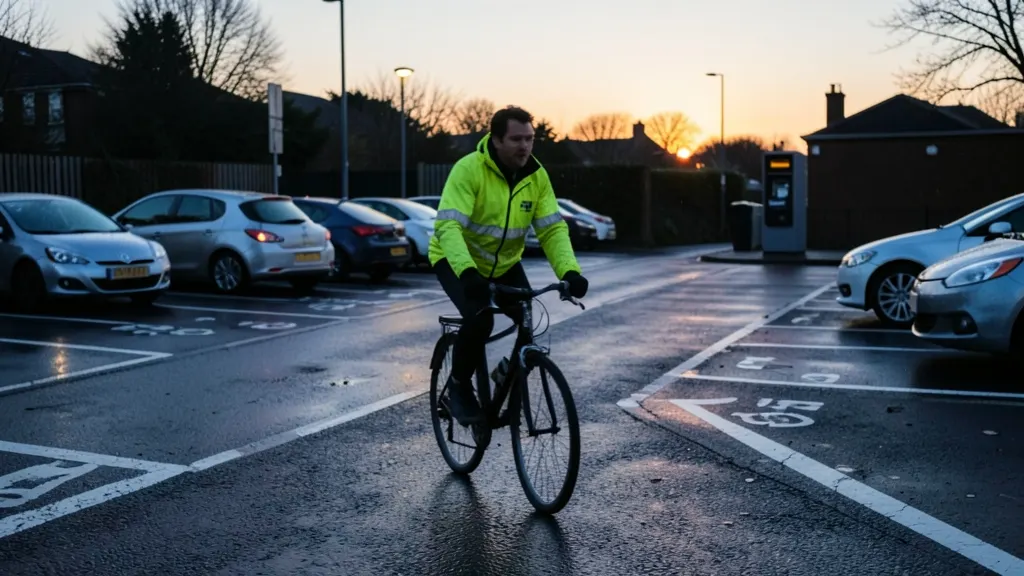
Scotland is a varied country. You get big cities, small regional centres and long stretches of rural road, often within a single commute. What unites the places we cover is weather that changes fast and daylight that is scarce in winter, so a hi-vis jacket earns its keep almost everywhere.
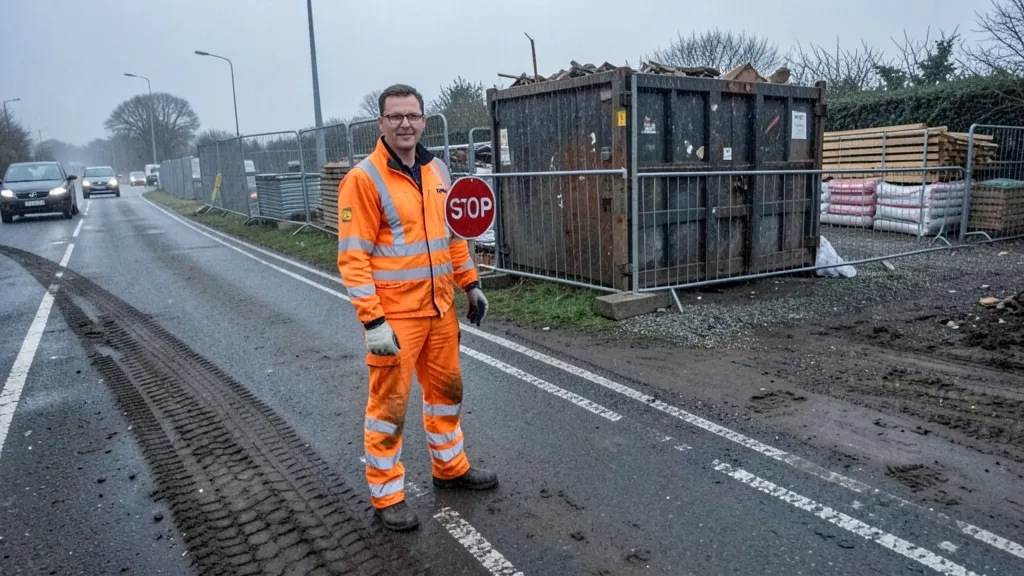
What visibility means across Scotland
The six places in this guide share a few practical realities. Winter days are short, and the further north you go the shorter they get. Rain, mist and grey skies are common, which dulls contrast and makes it harder for drivers to pick out a person at the side of the road. Add busy commuter traffic around the larger cities and long single-carriageway routes elsewhere, and being seen becomes a genuine safety matter rather than a nice extra.
A hi-vis jacket scotland buyers choose for a city walk may differ from what a road worker needs, but the principle is the same. Fluorescent material works by day and in poor light. Reflective strips work in the dark, bouncing headlight back to the driver. Under EN ISO 20471, garments come in three classes. A class 2 jacket, with at least 0.50 square metres of fluorescent background and 0.13 square metres of retroreflective material, is the common choice for working near traffic. Class 3, the highest, requires at least 0.80 square metres of fluorescent background and 0.20 square metres of retroreflective material, and suits higher-risk settings such as motorways and rail work.
The places we cover
Aberdeen
Aberdeen has a population of 230,180 (2025 estimate, Aberdeen City council area). Since the discovery of North Sea oil in 1969, it has been known as the offshore oil capital of Europe, and that industrial heritage keeps demand for hi-vis clothing high among energy and marine workers. See Hi-vis clothing in Aberdeen.
Dundee
Dundee, population 148,390 (2025 estimate, Dundee City council area), is an international research and development hub in technology, medicine and life sciences. Labs, hospitals and campus sites all generate practical needs for visibility clothing, from courier and facilities staff to cyclists crossing the city. See Hi-vis clothing in Dundee.
Edinburgh
The capital has a population of 531,370 (2025 estimate, City of Edinburgh council area). Financial services now account for a third of all commercial office space in the city, which means lots of people commuting on foot and by bike in busy streets. See Hi-vis clothing in Edinburgh.
Glasgow
Glasgow is the largest of the six, with a population of 654,330 (2025 estimate, Glasgow City council area). University education and research, finance and industry are part of the economy, which historically included shipbuilding and locomotive building. See Hi-vis clothing in Glasgow.
Inverness
Inverness, population 48,248 (2022, urban area west of the A9, National Records of Scotland definition), is a regional hub for healthcare, education and research, business and economic services, public administration, culture and leisure for the Highlands and Islands. Long rural roads make reflective kit especially worthwhile here. See Hi-vis clothing in Inverness.
Stirling
Stirling has a population of 49,928 (settlement of Stirling, 2022 census). Modern Stirling is a centre for local government, higher education, tourism, retail and industry. See Hi-vis clothing in Stirling.
Conditions across the region
Daylight is the big factor. In winter, commutes in the far north can start and finish in the dark, and gloomy weather shortens effective visibility even at midday. The Highway Code makes the position clear. Rule 3 advises helping other road users to see you, and notes that in the dark reflective materials such as armbands, sashes, waistcoats, jackets or footwear can be seen by drivers using headlights up to three times as far away as non-reflective materials. Rule 17 tells pedestrians to wear something reflective at night. Rule 59 suggests light-coloured or fluorescent clothing for cyclists in daylight and poor light, plus reflective clothing or accessories in the dark, and Rule 60 requires a white front light, a red rear light and a red rear reflector on any cycle used at night. Motorcyclists get similar advice: Rule 86 recommends fluorescent clothing or strips for visibility from the side as well as front and rear, and Rule 87 recommends reflective clothing or strips when riding in the dark.
For workers, the Personal Protective Equipment at Work Regulations 1992 require employers to provide suitable PPE to those exposed to a health and safety risk unless the risk is adequately controlled by other means. Since 6 April 2022 these duties also cover limb (b) workers, and the employer must provide the PPE free of charge. HSE guidance adds that reusable PPE must be cleaned and kept in good condition, hi-vis garments included, and that workers must report any loss, destruction or obvious defect.
One further point for rail workers: SATRA, a UK PPE testing body, states that rail standard RIS-3279-TOM requires an orange colour and garments meeting at least class 2 of EN ISO 20471.
Related guides
For more on duties, standards and everyday use, read When is high visibility clothing required in the UK?. Each of the six place pages above goes into local detail, from commuter routes to industrial sectors.
Frequently asked questions
What class of hi-vis jacket do I need in Scotland?
It depends on where you wear it. For general walking, cycling and dog walking in poor light, a garment with fluorescent material for daytime and reflective panels for darkness is usually enough. For work near traffic, EN ISO 20471 class 2, with at least 0.50 square metres of fluorescent background and 0.13 square metres of retroreflective material, is the common minimum. Higher-risk sites typically call for class 3.
Do employers have to provide hi-vis clothing in Scotland?
Yes, where workers are exposed to a risk to health or safety that is not adequately controlled by other means. The Personal Protective Equipment at Work Regulations 1992 place that duty on employers, and since 6 April 2022 it also covers limb (b) workers. The employer must provide the PPE free of charge.
Is a hi-vis jacket enough for cycling at night?
Reflective clothing helps, but it is not the whole answer. Rule 59 of the Highway Code recommends fluorescent clothing in daylight and poor light and reflective clothing or accessories in the dark. Rule 60 separately requires a white front light, a red rear light and a red rear reflector on any cycle used at night.
Why is orange the colour for rail work?
SATRA, a UK PPE testing body, states that rail standard RIS-3279-TOM requires an orange colour and garments that meet at least class 2 of EN ISO 20471. Anyone working on or near the railway should check their garment is certified to that standard.
How should I look after a hi-vis jacket?
HSE guidance says reusable PPE must be cleaned and kept in good condition, and that hi-vis jackets, trousers and coveralls must be cleaned regularly. Dirt and grime reduce both fluorescence and reflectivity. Workers must report any loss, destruction or obvious defect so the item can be replaced.