Hi-vis clothing in Ipswich
Last updated
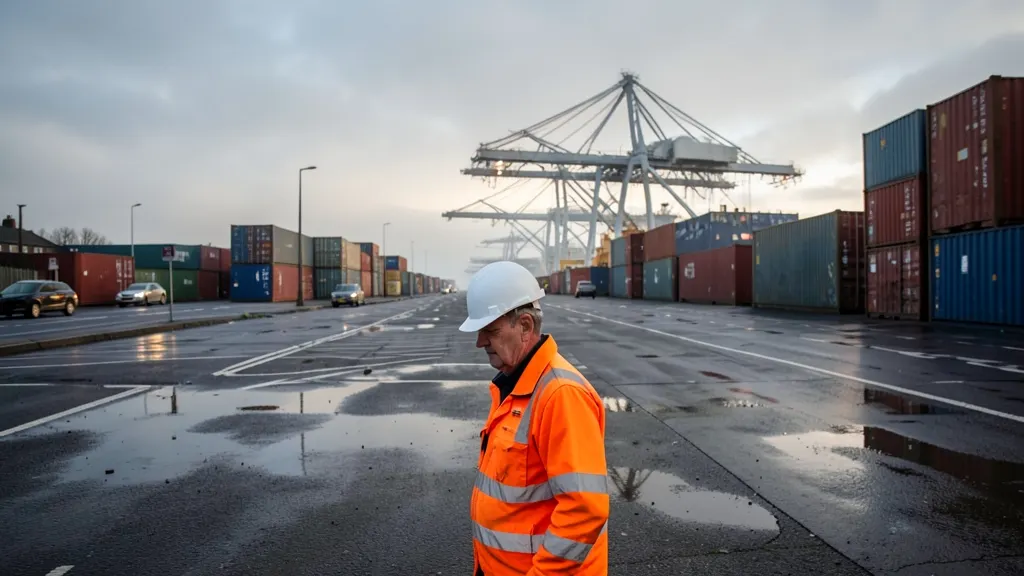
Ipswich is a port town in the east of England with a population of 139,457, according to the 2025 estimate. It is one of the Haven ports and still a working port, handling several million tonnes of cargo each year, and it sits close to the A12 and the A14 roads. That combination of docks, distribution work and busy trunk roads means plenty of people here spend their working day outdoors, often near moving vehicles and in poor light.
The town's winter light makes visibility a real issue rather than a nice extra. On the winter solstice in Ipswich, sunrise is at 08:01 and sunset is at 15:45, giving just 7 hours and 44 minutes of daylight. In Ipswich there are 125 days a year when sunset comes before half past five in the evening or sunrise after quarter to eight in the morning, so a normal commute is partly in the dark. The clocks go back on 25 October 2026, when sunset that day is at 16:40.
What this guide covers
We have put together themed pages for Ipswich, each looking at how hi-vis clothing fits a particular part of local life:
- Hi-vis for work and site wear, for people whose jobs put them outdoors near vehicles, machinery or cargo.
- Hi-vis for horse riding in Ipswich, for riders who use the lanes and minor roads around the town.
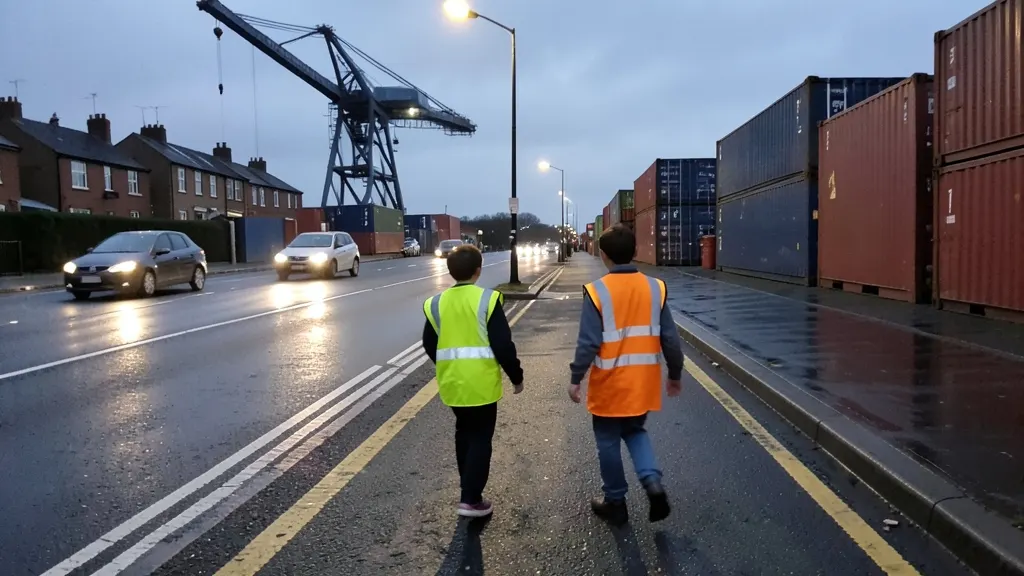
- Hi-vis for the school run and children in Ipswich, for families whose journeys cross busy roads.
General hi-vis guidance for Ipswich
Work and the port
The port and its related logistics sites mean shift work, deliveries and outdoor tasks at all hours. If you are an employer, the Personal Protective Equipment at Work Regulations 1992 require you to provide suitable PPE to workers exposed to a risk to their health or safety, unless the risk is adequately controlled by other means. Since 6 April 2022, those duties also cover limb (b) workers, and the PPE must be provided free of charge.
Most hi-vis jackets sold for work meet EN ISO 20471, which has three classes. The minimum fluorescent background area is 0.14 m2 for class 1, 0.50 m2 for class 2 and 0.80 m2 for class 3, with minimum retroreflective areas of 0.10, 0.13 and 0.20 m2 respectively. Class 3 is the highest, and it is the usual choice for anyone working on or near live roads or the dockside. If you are buying a hi vis jacket for work in Ipswich, our workwear guide explains the classes in more detail.
HSE guidance adds a maintenance point that is easy to forget in a greasy, dusty environment: reusable PPE must be cleaned and kept in good condition, and hi-vis jackets, trousers and coveralls must be cleaned regularly. A jacket caked in grime stops being effective, and workers must report any loss, destruction or obvious defect.
Cycling and commuting
Ipswich is on Sustrans's National Cycle Route 1 and National Cycle Route 51, so plenty of people ride through the town and out into the surrounding countryside. Rule 59 of the Highway Code says light-coloured or fluorescent clothing can help other road users see a cyclist in daylight and poor light, while reflective clothing or accessories such as belts, arm bands or ankle bands can increase visibility in the dark. Rule 3 adds that reflective materials can be seen by drivers using headlights up to three times as far away as non-reflective materials. Rule 60 requires a white front light and a red rear light, lit at night, plus a red rear reflector.
Given how many evenings here end in darkness, lights and reflective kit together make far more sense than either alone. Our regional page, Hi-vis clothing in East of England: a regional guide, pulls together advice for the wider area.
Horse riding
Riders around Ipswich often use quiet lanes, but quiet does not mean safe, and Rule 17 of the Highway Code says that at night you should wear something reflective to make it easier for others to see you. Rider, hat silk, exercise sheet and leg bands all help a driver spot a horse early. Our horse riding hi-vis guide covers what to look for in a jacket.
Children and the school run
For families, Rule 3 of the Highway Code puts it plainly: help other road users to see you. In the dark, reflective materials such as armbands, sashes, waistcoats, jackets or footwear can be seen by drivers using headlights up to three times as far away as non-reflective materials. A child in a dark coat on a December afternoon is very hard to see, so a cheap tabard or reflective band makes a real difference. Our page on kids hi vis jackets tackles the myths around children's hi-vis.
Staying dry and warm
Winter weather here tends to be wet and grey, and a soaked jacket loses much of its value. If you ride a motorcycle, Rule 86 says you should make yourself as visible as possible from the side as well as the front and rear, for example with fluorescent clothing or strips, and Rule 87 says that when riding in the dark you should wear reflective clothing or strips. Commuters of every kind will find our winter hi vis jackets guide useful, and the waterproof hi vis jackets page separates myths from facts about keeping dry while staying visible.
Where to read next
Start with the page that matches your day. If you work outdoors around the docks, the industrial sites or the road network, see the workwear hi vis jacket guide. Riders should head to Hi-vis for horse riding in Ipswich. Parents can read Hi-vis for the school run and children in Ipswich. For broader advice covering the whole region, our East of England guide is the place to look.
Ipswich at a glance
- Nation: England
- Region: East of England
- Population: 139457
| Measure | Time |
|---|---|
| Sunrise on the winter solstice | 08:01 |
| Sunset on the winter solstice | 15:45 |
| Daylight on the winter solstice | 7h 44m |
| Sunset when the clocks go back (2026-10-25) | 16:40 |
| Days a year with a dark commute | 125 |
Frequently asked questions
What class of hi vis jacket do I need for work in Ipswich?
For most outdoor work near roads or vehicles, EN ISO 20471 class 2 is the common minimum, with a minimum of 0.50 m2 of fluorescent background material and 0.13 m2 of retroreflective material. Class 3 is the highest class, with at least 0.80 m2 of fluorescent material and 0.20 m2 of retroreflective material, and suits the highest-risk settings such as live roads or dockside work. Your employer should assess the risk and supply suitable PPE free of charge under the Personal Protective Equipment at Work Regulations 1992.
How dark does Ipswich get in winter?
On the winter solstice in Ipswich, sunrise is at 08:01 and sunset is at 15:45, giving 7 hours and 44 minutes of daylight. There are 125 days a year when sunset comes before half past five in the evening or sunrise after quarter to eight in the morning. That means a typical commute is partly in the dark.
Do I legally need reflective clothing when cycling in Ipswich?
There is no legal requirement to wear hi-vis when cycling. The Highway Code's Rule 59 says light-coloured or fluorescent clothing can help other road users see a cyclist in daylight and poor light, and reflective clothing or accessories can increase visibility in the dark. What is legally required at night is a white front light, a red rear light, both lit, and a red rear reflector, under Rule 60.
How should I look after a hi-vis jacket used for work?
HSE guidance says reusable PPE must be cleaned and kept in good condition, and that hi-vis jackets, trousers and coveralls must be cleaned regularly. Dirt and grime reduce both fluorescence and reflectivity. Workers must report any loss, destruction or obvious defect so the garment can be replaced.