Hi-vis clothing in Bristol
Last updated
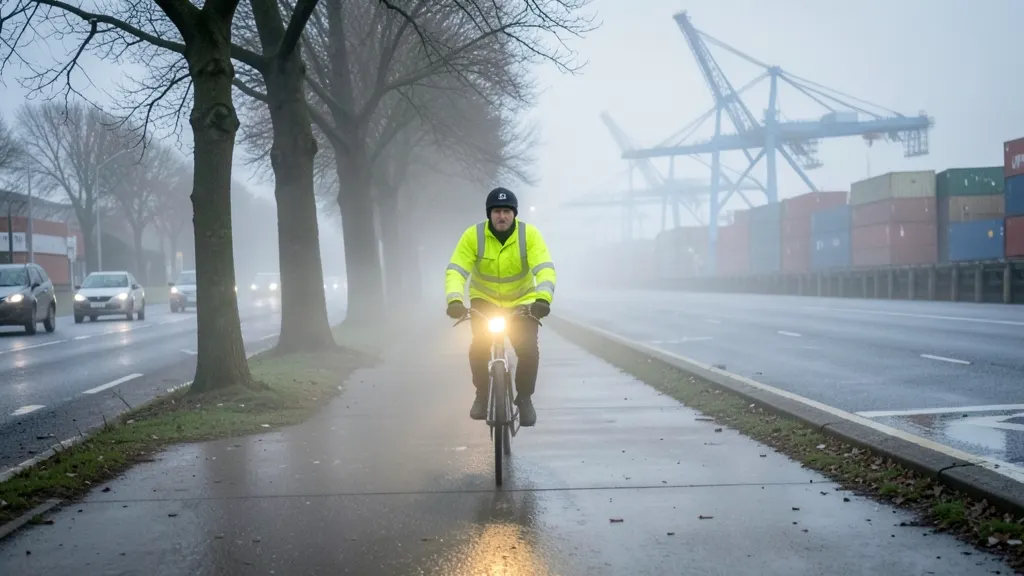
Bristol is a port city in South West England with a population of 494,399, according to the 2024 estimate. It is a busy, working place. The docks at Avonmouth and Royal Portbury Dock, a large deep water dock built in 1972, still move freight, while creative media, electronics and aerospace industries provide tens of thousands of jobs across the city. Two universities, the University of Bristol and the University of the West of England, add to the weekday crowds.
The city's geography shapes how people move around. The Avon Gorge land is protected from development as The Downs and Leigh Woods, and Ashton Court Estate and Blaise Castle estate are among Bristol's green spaces, so plenty of journeys mix residential streets with open parkland and riverside paths.
Daylight, or the lack of it, is the reason visibility matters here. On the winter solstice in Bristol, sunrise is at 08:13 and sunset is at 16:03, giving 7h 50m of daylight. The clocks go back on 25 October 2026, when sunset in Bristol is at 16:56. In total there are 119 days a year when sunset comes before half past five in the evening or sunrise after quarter to eight in the morning, so a normal commute is partly in the dark. If you leave home at eight and return after four, a hi vis jacket in Bristol is not an optional extra. It is part of getting about safely.
What this guide covers
This hub pulls together the hi-vis topics that matter most in Bristol, with a dedicated page for each.
Cycling and commuting
Cycling is a well established way of getting to work in this city. The Bristol and Bath Railway Path is a 15-mile (24 km) footpath and off-road cycleway, part of National Cycle Route 4, and it carries a steady stream of commuters in poor light as well as in fine weather. Our page on hi-vis for cycling and commuting in Bristol looks at what to wear on the bike and on foot. If you are choosing a new garment, the general advice in our hi-vis jackets for cycling buyer's guide applies just as well here, and because Bristol weather is wet for much of the year, it is worth reading up on waterproof hi vis jackets.
Work and site wear
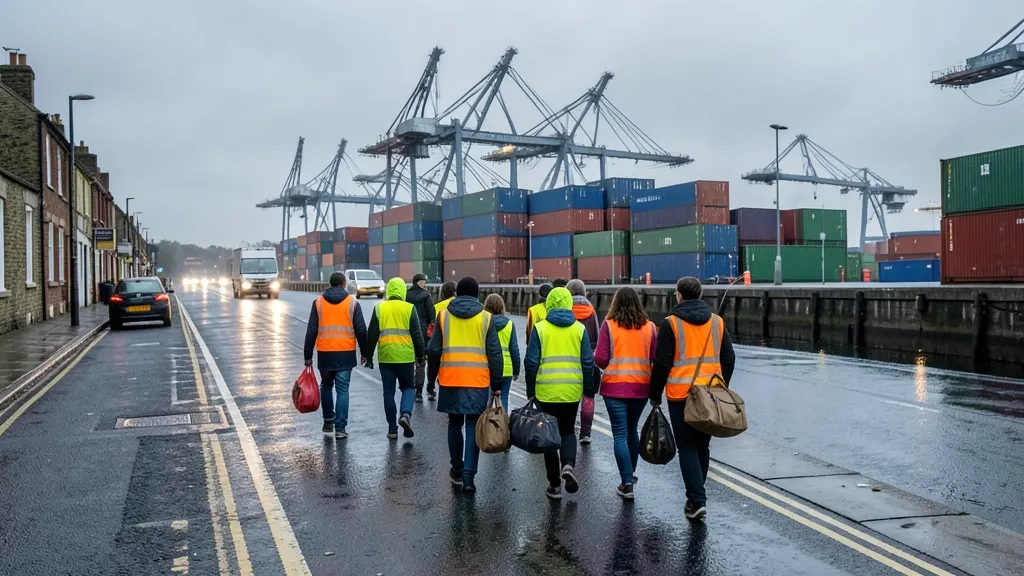
The harbour area, construction and aerospace industries provide many site-based jobs, and dock work carries its own risks. If your employer issues hi-vis, that is because of the Personal Protective Equipment at Work Regulations 1992, which require employers to provide suitable PPE to workers exposed to a risk to health or safety, unless the risk is adequately controlled by other means. Since 6 April 2022 those duties also cover limb (b) workers, and the employer must provide the PPE free of charge. Our general workwear hi vis jacket advice explains the classes and what to look for.
The school run and children
Narrow, hilly residential streets make the school run busy at drop-off times, and in winter much of it happens in poor light or darkness. Our page on hi-vis for the school run and children in Bristol covers jackets, vests and accessories for children, and our article on kids hi vis jackets sorts the myths from the facts.
General hi-vis guidance
A few principles apply whatever you are doing in the city.
Know the classes. EN ISO 20471 has three classes. The minimum fluorescent background area is 0.14 m2 for class 1, 0.50 m2 for class 2 and 0.80 m2 for class 3. The minimum retroreflective area is 0.10, 0.13 and 0.20 m2 respectively. Class 3 is the highest, with at least 0.80 m2 of fluorescent background material and 0.20 m2 of retroreflective material. Higher risk sites generally call for higher classes, and if you work on or near the railway there is an extra consideration. SATRA, a UK PPE testing body, states that rail standard RIS-3279-TOM requires an orange colour and garments meeting at least class 2 of EN ISO 20471.
Use the Highway Code. The Highway Code's Rule 3 asks all road users to help others see them, and notes that in the dark reflective materials such as armbands, sashes, waistcoats, jackets or footwear can be seen by drivers using headlights up to three times as far away as non-reflective materials. Rule 59 says light-coloured or fluorescent clothing can help other road users see a cyclist in daylight and poor light, while reflective clothing or accessories such as belts, arm or ankle bands can increase visibility in the dark. Rule 60 requires a cycle ridden at night to have white front and red rear lights lit, and a red rear reflector. Clothing helps, but lights and reflectors are the law after dark.
Look after your kit. HSE guidance says reusable PPE must be cleaned and kept in good condition, and hi-vis jackets, trousers and coveralls must be cleaned regularly. A muddy or creased jacket reflects far less light than a clean one. Workers must report any loss, destruction or obvious defect, and the same common sense applies to personal gear: if the reflective banding is worn through, replace the garment.
Match the garment to the season. With 119 days a year of dark commutes, a warm layer for winter matters as much as the hi-vis itself. Our winter hi vis jackets guide covers insulation and fit for the coldest months.
Where to go next
Start with the Bristol theme pages that match your routine: cycling and commuting and the school run. For the wider regional picture, see our guide to hi-vis clothing in South West England. Read whichever page fits your day, and be seen on the way home.
Bristol at a glance
- Nation: England
- Region: South West England
- Population: 494399
| Measure | Time |
|---|---|
| Sunrise on the winter solstice | 08:13 |
| Sunset on the winter solstice | 16:03 |
| Daylight on the winter solstice | 7h 50m |
| Sunset when the clocks go back (2026-10-25) | 16:56 |
| Days a year with a dark commute | 119 |
Frequently asked questions
Do I legally need to wear hi-vis when cycling in Bristol?
No law requires cyclists to wear hi-vis in the UK. However, Highway Code Rule 59 says light-coloured or fluorescent clothing can help other road users see a cyclist in daylight and poor light, and reflective clothing or accessories can increase visibility in the dark. Rule 60 does legally require a white front light, a red rear light and a red rear reflector when riding at night.
What do the EN ISO 20471 classes mean?
EN ISO 20471 has three classes, based on how much visible material a garment contains. Minimum fluorescent background area is 0.14 m2 for class 1, 0.50 m2 for class 2 and 0.80 m2 for class 3, with minimum retroreflective areas of 0.10, 0.13 and 0.20 m2. Class 3 is the highest and suits higher risk environments.
Does my employer have to supply my hi-vis jacket?
Under the Personal Protective Equipment at Work Regulations 1992, employers must provide suitable PPE to workers exposed to a health or safety risk unless it is adequately controlled by other means. Since 6 April 2022 the duties also cover limb (b) workers, and the PPE must be provided free of charge.
How dark are Bristol winters?
On the winter solstice in Bristol, sunrise is at 08:13 and sunset is at 16:03, giving 7h 50m of daylight. There are 119 days a year when sunset comes before half past five in the evening or sunrise after quarter to eight in the morning, so a normal commute is partly in the dark.
How often should a hi-vis jacket be washed?
HSE guidance says reusable PPE must be cleaned and kept in good condition, and that hi-vis jackets, trousers and coveralls must be cleaned regularly. Dirt and creases reduce how much light the garment reflects. Workers must report any loss, destruction or obvious defect to their employer.