Hi-vis clothing across South West England
Last updated
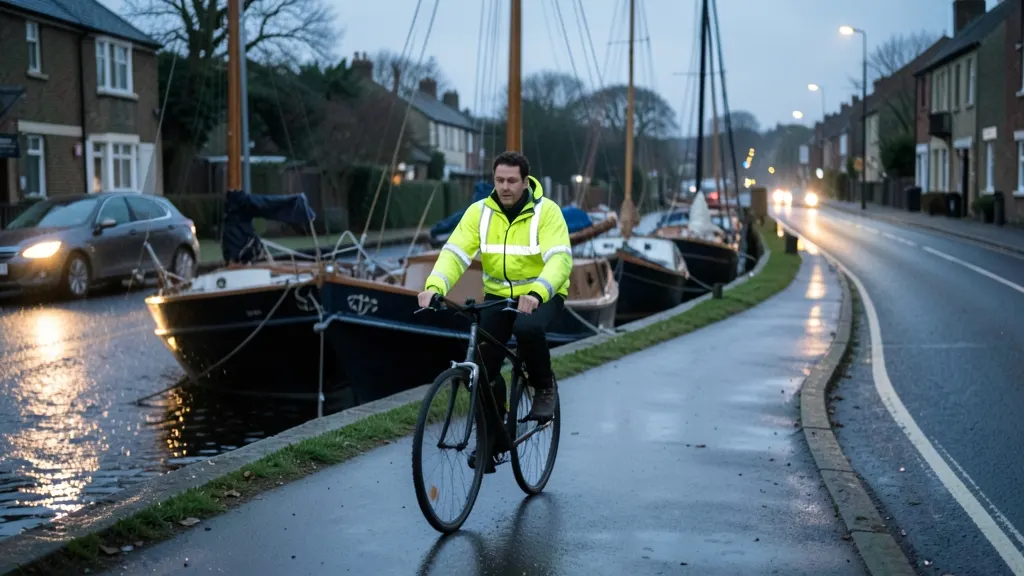
A region of variety, with visibility in common
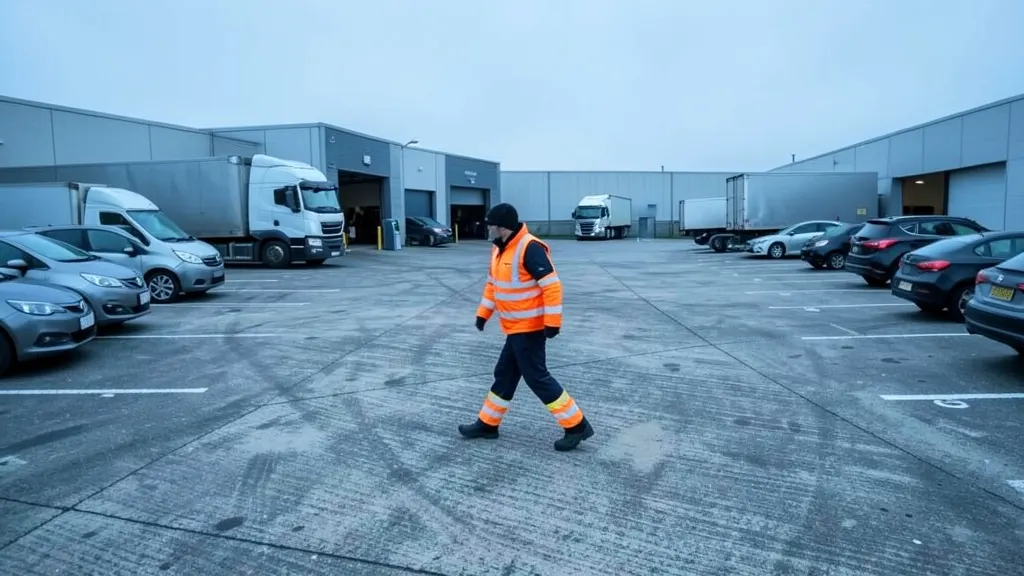
South West England takes in cities of very different sizes and characters, from Bristol, with a 2024 estimated population of 494,399, down to Exeter, home to 130,700 people at the 2021 census. What these places share is a practical need for high visibility clothing. Commuters walk and cycle on busy streets, workers in ports, distribution centres and offices pass through vehicle movement areas, and dog walkers and runners head out on dark winter evenings. In every case, the right hi-vis jacket or vest does the same job: it helps other road users and vehicle operators see you early.
The Highway Code makes the principle plain. Rule 3 advises road users to help others see them, and notes that in the dark reflective materials such as armbands, sashes, waistcoats, jackets or footwear can be seen by drivers using headlights up to three times as far away as non-reflective materials. Rule 17 says simply that at night you should wear something reflective. Those lines apply whether you are crossing a city centre road or walking a country lane.
Where we cover
Bristol
Bristol is the largest place in this guide, with a 2024 estimated population of 494,399. Its creative media, electronics and aerospace industries mean plenty of people work in industrial estates, workshops and depots where vehicles move about. Cyclists are a familiar sight too. For details, read Hi-vis clothing in Bristol.
Plymouth
Plymouth, with a 2025 estimated population of 271,361, has had a largely service-based economy since the 1990s, alongside a large naval dockyard and ferry port. Dockside and port work puts a premium on high visibility garments, and orange is often the expected colour on rail infrastructure. Our Hi-vis clothing in Plymouth page goes into the detail.
Swindon
Swindon had a population of 224,942 at the 2021 census. Its railway works were historically the largest employer, and today automotive manufacturing and distribution centres keep the local pattern of shift work and yard work alive. That means hi-vis jackets are an everyday sight around the town. See Hi-vis clothing in Swindon.
Bournemouth
Bournemouth, home to 196,455 people in its built-up area at the 2021 census, has an economy in which tourism and financial services play a significant role. Tourism brings seasonal pedestrian traffic, evening work and lots of people out walking in poor light. Our local guide covers the specifics.
Gloucester
Gloucester's urban area counted 169,061 residents at the 2021 census, and its economy is dominated by the service industries. Warehousing, logistics and service workers there often need certified hi-vis for site rules or employer requirements. Read Hi-vis clothing in Gloucester.
Exeter
Exeter is the smallest place here, with 130,700 residents at the 2021 census, but its notable employers, the Met Office, the University of Exeter and Devon County Council, mean a large public-sector and scientific workforce, alongside students who walk and cycle year round. See Hi-vis clothing in Exeter.
Conditions to plan for
Daylight hours in South West England shrink sharply in winter, so many people travel to and from work or school in the dark or in poor light. Rule 59 of the Highway Code captures the two-part approach well: light-coloured or fluorescent clothing helps other road users see a cyclist in daylight and poor light, while reflective clothing or accessories such as belts, arm or ankle bands increase visibility in the dark. Rule 60 adds that at night a cycle must have a white front light and a red rear light lit, plus a red rear reflector, so clothing works alongside the lights rather than instead of them.
Motorcyclists face the same short days. Rule 86 advises riders to make themselves as visible as possible from the side as well as the front and rear, for example with fluorescent clothing or strips, and Rule 87 says that when riding in the dark they should wear reflective clothing or strips.
For workers, the legal framework is clear. Under the Personal Protective Equipment at Work Regulations 1992, employers must provide suitable PPE to workers exposed to a health or safety risk unless that risk is adequately controlled by other means. Since 6 April 2022 those duties have also covered limb (b) workers, and the employer must provide the PPE free of charge. If you are unsure when hi-vis counts as required equipment, our guide When is high visibility clothing required in the UK? explains the basics.
Choosing a garment with the right rating
Look for the EN ISO 20471 mark when buying. The standard has three classes. Class 1 is the lowest, with a minimum fluorescent background area of 0.14 m2 and retroreflective area of 0.10 m2. Class 2 steps up to 0.50 m2 of fluorescent material and 0.13 m2 of reflective material. Class 3, the highest, requires at least 0.80 m2 of fluorescent background material and 0.20 m2 of retroreflective material. A class 2 or class 3 hi-vis jacket is the usual choice for roadside or site work, while class 1 garments suit lower-risk settings such as escorted areas in a warehouse.
Rail workers have a further requirement. SATRA, a UK PPE testing body, states that rail standard RIS-3279-TOM requires an orange colour and garments meeting at least class 2 of EN ISO 20471, which matters if you work near the region's rail lines.
Whatever class you buy, look after it. HSE guidance says reusable PPE must be cleaned and kept in good condition, that hi-vis jackets, trousers and coveralls must be cleaned regularly, and that workers must report any loss, destruction or obvious defect. A grubby jacket loses much of the brightness that makes it worth wearing.
Related guides
If you want to compare the South West with another region, Hi-vis jacket East Midlands: a regional guide follows the same structure. For the general rules on when high visibility clothing is legally required at work, start with When is high visibility clothing required in the UK?, then read the individual place pages above for your own town or city.
Frequently asked questions
What class of hi-vis jacket do I need in South West England?
It depends on where you wear it. EN ISO 20471 class 1, with a minimum of 0.14 m2 of fluorescent background material, suits low-risk settings. Class 2, at 0.50 m2, is the common choice for roadside work, and class 3, with at least 0.80 m2 of fluorescent material and 0.20 m2 of retroreflective material, is for the riskiest environments such as motorway work.
Does my employer have to provide hi-vis clothing?
Under the Personal Protective Equipment at Work Regulations 1992, employers must provide suitable PPE to workers exposed to a health or safety risk unless the risk is adequately controlled by other means. Since 6 April 2022 these duties also cover limb (b) workers, and the PPE must be provided free of charge.
Is fluorescent clothing enough for winter evenings?
Fluorescent material works best in daylight and poor light, but it does little in full darkness. The Highway Code advises reflective materials for night use, since drivers using headlights can see them up to three times further away than non-reflective materials. A jacket combining both, or reflective bands worn with a fluorescent garment, covers both conditions.
Do cyclists need hi-vis clothing by law?
Clothing is advisory rather than a legal requirement. Rule 59 advises light-coloured or fluorescent clothing in daylight and poor light and reflective clothing or accessories in the dark. The legal requirement at night, set out in Rule 60, is a white front light, a red rear light and a red rear reflector on the cycle itself.
How should I care for a hi-vis jacket?
HSE guidance says reusable PPE must be cleaned and kept in good condition, and that hi-vis jackets, trousers and coveralls must be cleaned regularly. Workers must report any loss, destruction or obvious defect. Wash the garment as the label directs, because a dull or grimy surface reduces both fluorescence and reflectivity.