Hi-vis clothing in Yorkshire: a regional guide
Last updated
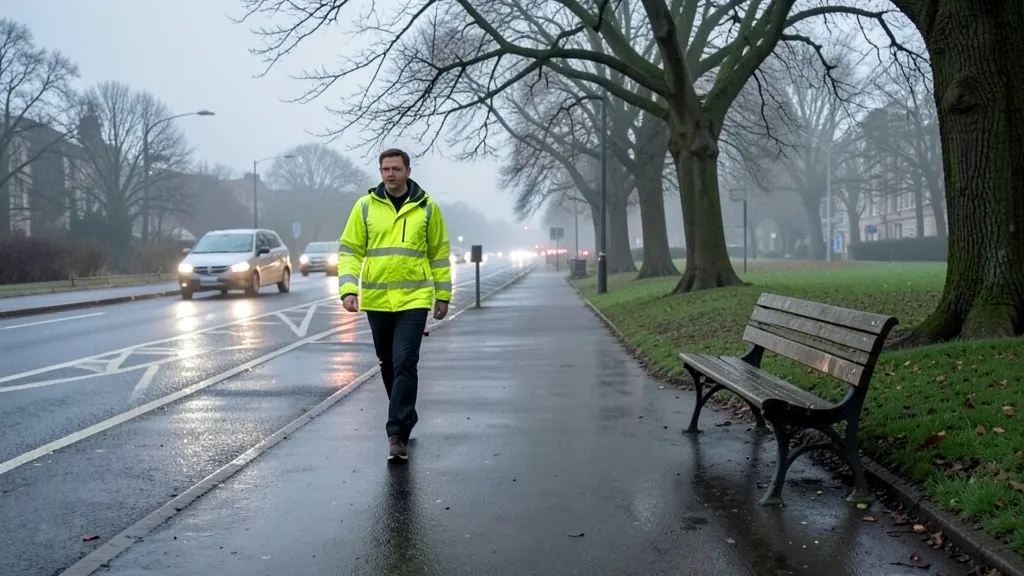
Yorkshire is a big region with a wide mix of work, travel and daily routines. It takes in major cities such as Leeds, Sheffield, Bradford, Hull and York, along with the motorway corridors, railway lines and country lanes that connect them. What all these places share is the need to be seen. Whether you are on a building site in Bradford, cycling to a station in York or walking the dog on a foggy lane, a hi vis jacket is one of the simplest ways to make yourself visible to drivers and workmates alike.
Our local guides cover the details for each place. Each hub looks at the jobs, journeys and seasons that shape visibility where you live or work.
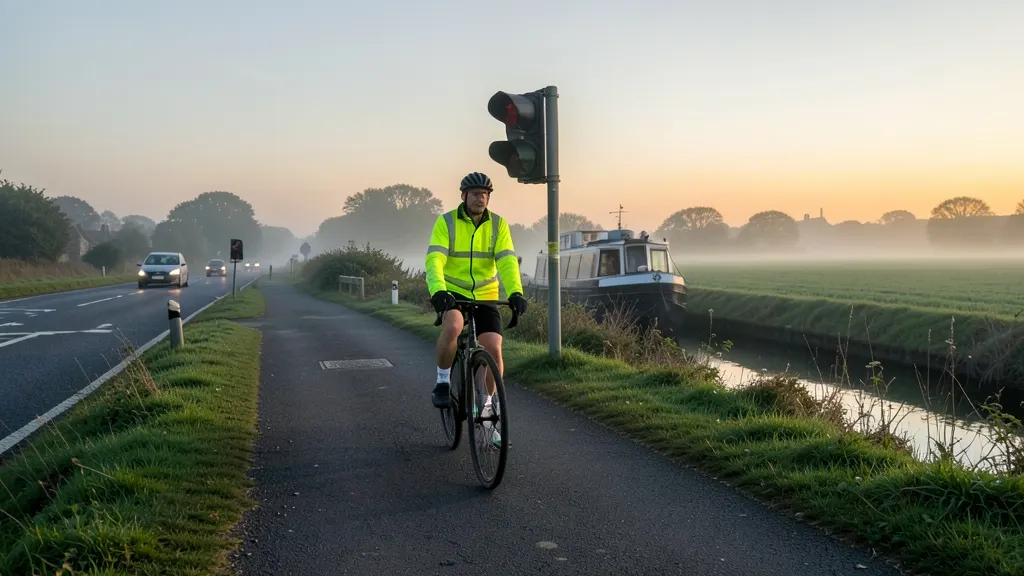
The places we cover
Leeds
Leeds is the region's largest city, with a population of 812,000 in the City of Leeds district at the 2021 census. Its economy spans finance, retail, leisure and the visitor economy, construction and manufacturing, which means plenty of people work in settings where hi-vis is expected or required. Commuters and cyclists also make heavy use of the city's busy roads. Read the Hi-vis clothing in Leeds guide.
Sheffield
Sheffield has a population of 579,517 in its metropolitan borough (2025 estimate). Iron and steel have long been the main industries, and tourism also plays a major role in the economy. That industrial heritage still means a practical attitude to safety clothing among workers, riders and runners. See Hi-vis clothing in Sheffield.
Bradford
Bradford has a population of 352,317 for the city (2021 census). Financial and manufacturing industries are important today, with a history in textile manufacture, particularly wool. The school run and winter commuting are common themes for local readers. Our Hi-vis clothing in Bradford: winter, school run and work page goes into more detail.
Kingston upon Hull
Hull has a population of 273,257 (2025 estimate). Its traditional industries are seafaring, including whaling and later seafishing, and later heavy industry. With docks, freight routes and exposed coastal approaches, visibility matters here, especially in poor weather. Read Hi-vis clothing in Kingston upon Hull.
York
York has a population of 141,685 (2021 census, built-up area). Tourism is one of the city's major assets, and it has been a railway hub and centre of confectionery manufacturing since the 19th century. Narrow streets, river paths and railway work all feature in Hi-vis clothing in York.
Region-wide conditions
Daylight hours vary a lot across the year in Yorkshire, as they do across the whole of the UK. Winter commutes often happen in the dark at both ends of the day, and grey, overcast weather can dull colours even at midday. Rain, fog and drizzle reduce how far drivers can see, and wet road surfaces reflect glare from headlights back at them.
The region's roads range from motorways and dual carriageways to rural lanes with no pavement. Farm traffic, sharp bends and high hedges all make reflective clothing worthwhile on country walks. The Highway Code is clear about why it matters. Rule 3 says that in the dark, reflective materials such as armbands, sashes, waistcoats, jackets or footwear can be seen by drivers using headlights up to three times as far away as non-reflective materials.
For pedestrians, Rule 17 simply says that at night you should wear something reflective to make it easier for others to see you. Cyclists can look to Rule 59, which says light-coloured or fluorescent clothing can help other road users see you in daylight and poor light, while reflective clothing or accessories such as belts, arm and ankle bands can increase visibility in the dark. Rule 60 adds that at night a cycle must have white front and red rear lights lit, and a red rear reflector.
Motorcyclists are covered too. Rule 86 says riders should make themselves as visible as possible from the side as well as the front and rear, for example with fluorescent clothing or strips. Rule 87 adds that when riding in the dark, motorcyclists should wear reflective clothing or strips.
For workers, the law is more specific. Under the Personal Protective Equipment at Work Regulations 1992, employers must provide suitable PPE to workers exposed to a risk to their health or safety, unless the risk is adequately controlled by other means. Since 6 April 2022 those duties also cover limb (b) workers, and the employer must provide the PPE free of charge.
If your job involves wearing hi-vis, look for garments certified to EN ISO 20471. This standard has three classes. Class 1 requires at least 0.14 m2 of fluorescent background material, class 2 requires 0.50 m2 and class 3 requires 0.80 m2, with matching minimums of 0.10, 0.13 and 0.20 m2 of retroreflective material. Class 3 is the highest class, suited to the riskiest roads and work settings, such as motorway maintenance. If you work on or near the railway, note that rail standard RIS-3279-TOM requires an orange colour and garments meeting at least class 2 of EN ISO 20471, according to SATRA, a UK PPE testing body.
Whatever class you buy, look after it. HSE guidance says reusable PPE must be cleaned and kept in good condition, and hi-vis jackets, trousers and coveralls must be cleaned regularly. Workers must report any loss, destruction or obvious defect. A grubby jacket or a broken zip cuts down the fluorescent and reflective effect.
Related guides
If you want a broader view of when hi-vis is needed, start with When is high visibility clothing required in the UK?. You can also compare neighbouring regions in Hi-vis jacket East Midlands: a regional guide or Hi-vis clothing in East of England: a regional guide. For the details of each Yorkshire city, follow the local links above.
Frequently asked questions
What class of hi vis jacket do I need in Yorkshire?
It depends on where you work or travel. For most town and city commuting, a class 1 or class 2 garment may be enough, but for higher-risk roads such as motorway work, class 3 is the highest EN ISO 20471 class, with at least 0.80 m2 of fluorescent background material and 0.20 m2 of retroreflective material. Railway work has its own rule, as rail standard RIS-3279-TOM requires an orange colour and at least class 2 of EN ISO 20471.
Do I legally need hi-vis clothing at work in Yorkshire?
The law is the same across the UK. Under the Personal Protective Equipment at Work Regulations 1992, employers must provide suitable PPE to workers exposed to a risk to health or safety, unless the risk is adequately controlled by other means. Since 6 April 2022 this also covers limb (b) workers, and the employer must provide the PPE free of charge.
Does a hi vis jacket help in daylight?
Yes. Fluorescent material works best in daylight and poor light, while the reflective strips take over in the dark. Rule 59 of the Highway Code says light-coloured or fluorescent clothing can help other road users see a cyclist in daylight and poor light, and reflective accessories increase visibility in the dark.
How far away can drivers see reflective clothing at night?
Rule 3 of the Highway Code states that in the dark, reflective materials such as armbands, sashes, waistcoats, jackets or footwear can be seen by drivers using headlights up to three times as far away as non-reflective materials. That extra distance gives drivers more time to react, which matters on unlit rural lanes and busy commuter roads alike.
How should I look after a hi vis jacket?
Keep it clean and check it regularly. HSE guidance says reusable PPE must be cleaned and kept in good condition, and hi-vis jackets, trousers and coveralls must be cleaned regularly. Workers must report any loss, destruction or obvious defect, because dirt and damage reduce both fluorescence and reflectivity.