Hi-vis jackets in North East England: a local guide
Last updated
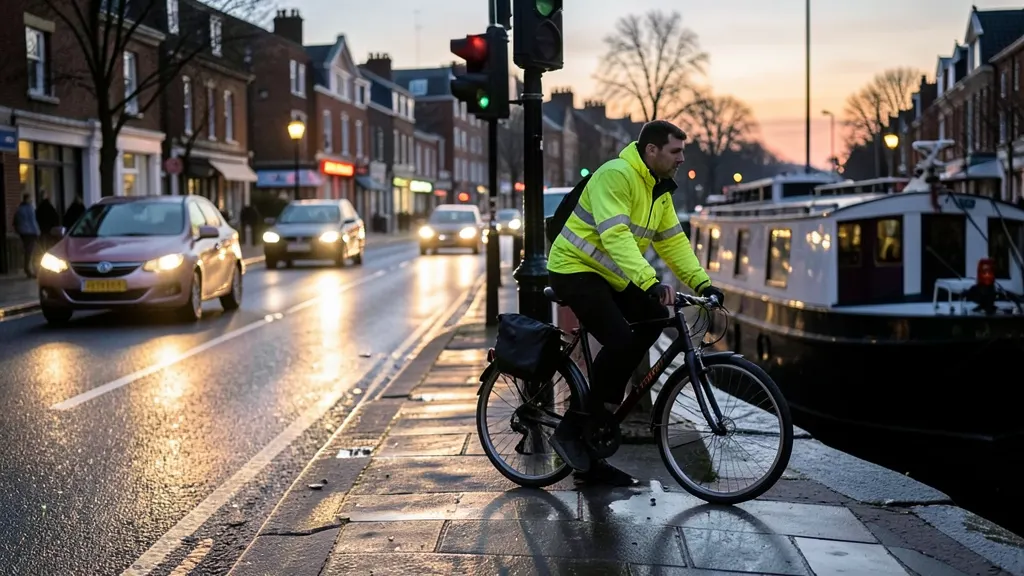
Why the north east asks a lot of your hi-vis jacket
The north east of England takes in coastal towns, river valleys, working ports and busy city centres, and the one thing all of these places share is that you are often visible for only a short stretch before the light changes. Dark winter mornings, early sunsets and frequent drizzle mean the seasons when people cycle, walk the dog or finish a late shift are also the seasons when a driver's view of you is at its worst. A good hi-vis jacket is the cheapest insurance you can wear.
What matters is choosing the right type for the job. Fluorescent material helps in daylight and poor light, while retroreflective bands only come into their own under headlights. If you commute in the dark, you want both. The Highway Code is blunt about this. Rule 3 tells road users to help others see them, and notes that reflective materials such as armbands, sashes, waistcoats, jackets or footwear can be seen by drivers using headlights up to three times as far away as non-reflective materials. Rule 17 makes the same point for pedestrians, and Rule 59 splits the advice neatly for cyclists: fluorescent clothing in daylight and poor light, reflective clothing or accessories such as belts, arm or ankle bands after dark.
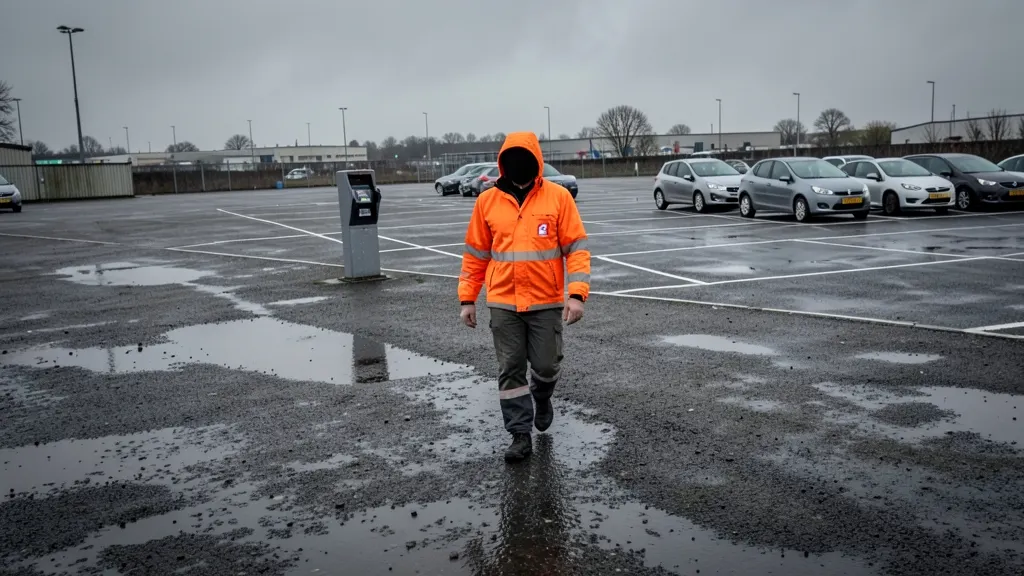
The places we cover
We have put together local pages for four very different places, each with its own mix of hazards and habits.
Newcastle upon Tyne
Newcastle is the largest city we cover, with a population of about 300,100 at the 2021 census. Science, finance, retail, education, tourism and nightlife keep the centre busy at all hours, which means a lot of people are out before sunrise and long after sunset. Bridges, riverside paths and a steady flow of evening traffic make reflective detail worth paying for. Read our Hi-vis clothing in Newcastle upon Tyne page for more.
Sunderland
Sunderland had a population of 168,315 for the built-up area at the 2021 census, rising to 274,200 for the wider borough. After the decline of its traditional industries in the late 20th century, the area became an automotive building centre, so there is a large workforce that lives and breathes high-visibility clothing on shift. If you work in that sector, your employer should already be issuing kit. Read Hi-vis clothing in Sunderland.
Middlesbrough
Middlesbrough, with a population of 148,215 for its built-up area in 2021, is still an industrial town at heart. Teesport and the Wilton International industrial site remain major employers, and around those sites a hi-vis jacket is not a fashion choice, it is a requirement of the job. If you are applying for industrial or port work, it helps to know the difference between the classes before you buy your own gear. Our Hi-vis clothing in Middlesbrough page explains the local picture.
Durham
Durham is the smallest of the four, with a built-up area population of 50,510 at the 2021 census. Durham University is a significant employer, alongside the local council and national government, and the city also has significant tourism and hospitality sectors. That means a lot of walking along narrow streets and river paths in low light, both for residents getting home and for staff finishing late shifts. See Hi-vis clothing in Durham.
Conditions across the region
Winters here are long on darkness. On the shortest days the light goes early enough that an ordinary afternoon commute happens in the dark, and grey, wet weather flattens what little contrast there is. Rain on a windscreen does the rest, cutting the distance at which a driver can pick out a figure in ordinary dark clothing.
The road network mixes urban streets, rural routes and industrial approaches, and each asks something different of your kit. In town, a class 2 jacket usually gives enough fluorescent and reflective area for cycling or walking. On faster rural roads, many riders and workers prefer class 3, the highest level under EN ISO 20471, which requires at least 0.80 square metres of fluorescent background material and 0.20 square metres of retroreflective material. The same standard sets lower minimums for class 1 and class 2 garments, so the label tells you a great deal.
Employers have duties here too. Under the Personal Protective Equipment at Work Regulations 1992, employers must provide suitable PPE to workers exposed to a risk to their health or safety, unless that risk is adequately controlled by other means. Since 6 April 2022 those duties also cover limb (b) workers, and the employer must provide the PPE free of charge. HSE guidance adds that reusable PPE must be cleaned and kept in good condition, hi-vis jackets included, and workers must report any loss, destruction or obvious defect.
Cyclists should remember that a jacket is only part of the story. Rule 60 of the Highway Code requires a white front light and a red rear light, lit at night, plus a red rear reflector. Motorcyclists get their own advice: Rule 86 suggests fluorescent clothing or strips to be visible from the side as well as the front and rear, and Rule 87 recommends reflective clothing or strips when riding in the dark.
Further reading
If you want to compare the north east with other regions we cover, start with Hi-vis clothing in Greater Manchester for another urban and industrial mix, or Hi-vis clothing in East of England: a regional guide for flatter, more open terrain. For a capital city perspective, Hi-vis jacket Greater London: your regional guide covers the busiest streets of all.
Frequently asked questions
Which hi-vis jacket class do I need for cycling in the north east?
For urban cycling and walking, a class 2 jacket under EN ISO 20471 is usually enough, as it carries a good balance of fluorescent and retroreflective material. On faster or unlit rural roads, many riders prefer class 3, which is the highest class and requires at least 0.80 square metres of fluorescent material and 0.20 square metres of retroreflective material. Whatever class you choose, remember that a jacket works best alongside bike lights, which Rule 60 requires at night.
Does my employer have to give me a hi-vis jacket?
Under the Personal Protective Equipment at Work Regulations 1992, employers must provide suitable PPE to workers exposed to a health or safety risk, unless that risk is adequately controlled by other means. Since 6 April 2022 these duties also cover limb (b) workers, and the employer must provide the PPE free of charge. HSE guidance also says hi-vis jackets must be cleaned regularly and kept in good condition, and you should report any loss or obvious defect.
Is a fluorescent jacket enough in the dark?
No. Fluorescent material works in daylight and poor light, but in the dark you need retroreflective bands that respond to headlights. The Highway Code notes that reflective materials can be seen by drivers up to three times as far away as non-reflective ones. Rule 59 makes the same distinction for cyclists, recommending fluorescent clothing in poor light and reflective clothing or accessories in the dark.
Do rail and industrial workers in the region need a specific colour?
SATRA, a UK PPE testing body, states that rail standard RIS-3279-TOM requires an orange colour and garments that meet at least class 2 of EN ISO 20471. If you work in or around rail operations, check that your jacket is marked to that standard. For general industrial work, class 2 is the common minimum, though some sites ask for class 3.