Understanding High-Visibility Reflective Safety Gear
Key principles of retroreflectivity and visibility
On UK roads at dusk, visibility isn’t luck—it’s a measured outcome. In low light, high-visibility gear can make a wearer up to five times more noticeable, reframing safety gear from option to obligation. The safety reflective vest embodies retroreflectivity and daytime recognition, guiding light back to its source while signaling presence to eyes scanning the horizon. This is not merely fabric; it is a quiet negotiation between photon and wearer, a demand to be seen.
Key principles of this understanding hinge on how a safety reflective vest handles light as it returns to its source and how it remains legible in ordinary conditions.
- Retroreflectivity returns light to its source, boosting conspicuity long after sunset.
- Bold colors boost daytime visibility when headlights fade.
- Strategic coverage and a proper fit seal gaps at the torso and limbs.
Common reflective materials and how they work
Streets at dusk feel like a stage where every passerby is a spotlight. Across the UK, drivers notice people in high-visibility gear earlier, turning near-misses into measured, safer crossings.
Within a safety reflective vest you’ll meet familiar actors: materials that trap light and send it back. They pair with bold daytime colours to keep you legible in mixed lighting.
- Glass-bead retroreflective: beads trap and reflect light back toward the driver regardless of your angle.
- Microprismatic tapes: tiny prisms redirect light across wider viewing angles for steady conspicuity.
- Hybrid films: combine prism layers with vibrant backgrounds to boost daytime and night-time recognition.
The result is more than fabric, it’s a coordinated dance between light and wearer that helps it earn its keep on real-world streets.
Choosing the right sizing and fit for comfort
Visibility saves lives. Getting the right size isn’t cosmetic; it’s a safety choice. A well-fitting safety reflective vest stays in place, doesn’t flap in the breeze, and keeps conspicuity intact as light changes across the UK streets.
Start with measurements: chest and torso length, then compare to the vest’s size chart. Look for adjustable side straps or shoulders to fine-tune the fit over layers. A snug but comfortable vest allows free arm movement without riding up, which is essential for walking, cycling, or roadside work.
Consider a quick sizing check:
- Chest breadth and torso length influence fit; choose a size with comfortable ease.
- Torso length should align with the belt line to prevent exposure.
- Adjustable features like straps or closures improve compatibility with layered clothing.
In the end, a correctly sized safety reflective vest will stay visible and comfortable, turning everyday visibility into daily reliability.
How environmental conditions affect performance
Visibility isn’t a luxury; it’s a daily lifeline on UK streets. “What you wear can help you see and be seen,” says a seasoned safety officer, and that belief shapes every shift.
Environmental conditions tilt the performance of a safety reflective vest. Fog dulls contrast, rain slicks the air, and the low sun casts shifting shadows that chase silhouettes. Dirt and wear sap brightness, a reminder to inspect and renew gear regularly.
- Low light and glare from headlights or streetlamps
- Wet weather and spray that disperses reflected light
- Dirt, mud, or abrasions that dull retroreflectivity
Understanding these nuances helps keep the safety reflective vest performing when it matters most, turning fragile moments into reliable everyday visibility.
Standards and Compliance for Reflective Vests
Overview of North American standards (e.g., ANSI/ISEA 107)
Standards and Compliance for Reflective Vests weave safety into the fabric of daily duty. In North America, ANSI/ISEA 107 sets the benchmark for performance, ensuring a safety reflective vest not only glows but acts—color, background, and retroreflective materials must meet defined levels. A compliant vest bears labels and markings that confirm its class and visibility, giving teams a shared, almost talismanic standard when the workplace grows dark.
- Class 1: minimal roadway use with basic visibility
- Class 2: higher contrast for moving traffic and mid-risk zones
- Class 3: maximum visibility for high-risk environments and complex traffic
Under ANSI/ISEA 107, the system classifies risk and required visibility. The label is your map, guiding decisions when the lights fail.
European and international standards (EN ISO 20471)
When visibility is a matter of life and limb, Europe’s EN ISO 20471 is the quiet force behind every safety reflective vest on the jobsite. It codifies how color, background, and retroreflective material perform together so a worker isn’t just seen—they’re safe in motion, even in low light. A vest that meets EN ISO 20471 carries a label that confirms its class and reach, guiding purchases with clarity rather than guesswork.
In practice, the standard defines three performance classes and the environments they suit.
- Class 1 — basic visibility for areas with minimal traffic or low-risk tasks
- Class 2 — higher contrast for working near moving vehicles
- Class 3 — maximum visibility for high-risk, complex environments
For UK readers, seek a safety reflective vest bearing EN ISO 20471 labeling to align with international expectations and UK market needs.
Certification marks and how to verify quality
Standards and compliance aren’t an afterthought; they’re the quiet seam securing a safety reflective vest in the field of life and limb. Certification marks announce adherence to EN ISO 20471 and related schemes, turning a plain garment into a documented pledge of visibility in motion. For UK buyers, these marks align local needs with global expectations, guiding confidence with every purchase!
Quality signals travel with the label, not the story alone. Look for clear certification marks, third-party test reports, and traceable lot codes—the silent fingerprints of reliability.
- Official certification marks and legible EN ISO 20471 labeling
- Third-party test reports and a traceable lot code
- Durable colorfastness and consistent retroreflective performance documented in datasheets
When these elements align, a safety reflective vest becomes more than fabric—it is a credential carried by every shift and task, a beacon of accountability in the workplace.
When to choose class 2 vs class 3 garments
Visibility is risk management in fabric form. A safety reflective vest isn’t a fashion statement—it’s a certified shield on site, and a manager’s reminder that ‘Visibility saves lives’ has teeth in law and in practice.
EN ISO 20471 defines Class 2 and Class 3 by the coverage of high-visibility material and retroreflective tape. In the United Kingdom, the choice hinges on exposure, vehicle speeds, and work context.
- Class 2 garments provide medium coverage and suit workers in moderate-traffic areas or where visibility is required but not at maximum risk.
- Class 3 garments offer the highest visibility, with larger coverage and retroreflection, ideal for high-risk environments, fast-moving traffic, or tasks requiring full-angle visibility.
When standards align with risk assessments, the garment becomes more than fabric—it is a documented assurance of visibility in motion.
Industry-specific regulatory considerations
“Visibility saves lives,” a manager likes to remind us, and the law nods in agreement. On UK sites, standards and compliance for a safety reflective vest are not mere suggestions but registrable assurances of performance, labeling, and traceability. Manufacturers must demonstrate conformity and provide documentation—no one wants a paperwork salad when safety is at stake.
Industry-regulated checkpoints include:
- Certification marks and UKCA/CE labeling
- Declarations of Conformity and performance data
- Size, care labeling, and responsible sourcing
- On-file traceability for batch and lot numbers
When these facets are in order, the vest becomes a trustworthy instrument rather than a fashionable afterthought.
Materials, Construction, and Durability
Reflective tape technologies for different activities
Materials matter as much as the glow of light. Our safety reflective vest is crafted from high-tenacity polyester with a breathable mesh lining for long shifts. Fluorescent base hues cut through dawn and dusk, while a water-repellent finish keeps performance steady in drizzle.
Construction holds the fabric together when the day grows heavy. We double-stitch seams, reinforce shoulder yokes, and seal edges that resist fray. Reflective tape technologies sit like ribbons of certainty: microprismatic tapes for retroreflectivity in low light, and glass-bead variants for success in damp conditions. Tape is heat-applied and edge-sealed to resist peeling.
- Microprismatic tapes for high reflectivity
- Glass-bead tapes for reliability in damp conditions
- Edge-sealed, heat-applied tapes resist peeling
Durability for different activities means a companion on roadworks, cycling, or warehouse duties. The blend of abrasion-resistant fabric, reinforced seams, and UV-stable colour stands up to rain, sun; the safety reflective vest stays legible when night begins.
Background fabrics: color, breathability, and comfort
In a world where half-light decides a shift, the fabric behind a safety reflective vest becomes your first line of defence. It’s crafted from high-tenacity polyester with a breathable mesh lining, so comfort travels with you through long hours. Fluorescent base hues cut through dawn and dusk, while a water-repellent finish keeps performance steady in drizzle.
- Colour: fluorescent base hues for visibility in varied light
- Breathability: mesh lining to wick sweat
- Comfort: tailored fit for long shifts
Construction holds the day together: double-stitched seams, reinforced shoulder yokes, and sealed edges resist fray. Heat-applied reflective tapes fuse to the fabric, remaining reliable as pace quickens and the workday wears on.
Durability arises from a careful blend of abrasion-resistant fabric and UV-stable colour that resist rain and sun. The safety reflective vest stays legible when night falls, a steadfast companion on site, on the road, or in transit.
Closure types, seams, and overall build quality
Across busy UK sites, a torn seam can cost you precious minutes and nerves. The materials behind a safety reflective vest act as your quiet ally in half-light shifts. A rugged blend of high-tenacity polyester with a breathable mesh lining keeps you comfortable, while fluorescent base hues slice through dawn and dusk. A water-repellent finish helps performance stay steady in drizzle.
Construction locks that reliability in place. Double-stitched seams, reinforced shoulder yokes, and sealed edges resist fray at the hustle. Heat-applied reflective tapes fuse to the fabric, staying bright as pace quickens.
Durability extends to closure types and overall build quality. The garment is designed for quick, secure use in moving conditions.
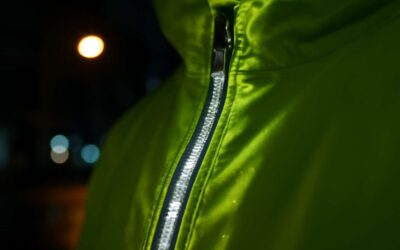
- Full-length heavy-duty zipper
- Storm flap with Velcro
- Snap or hook-and-loop closures
Care instructions to extend lifespan
Materials chosen for a safety reflective vest prioritise longevity without sacrificing comfort. Think durable synthetic fabrics with high abrasion resistance, a breathable inner layer, and weather-friendly surface finishes that shrug off drizzle and grit. This thoughtful blend helps the garment stand up to busy site life, offering reliable visibility when it matters most.
Construction underpins real-world resilience. Tight, even stitching, reinforced load-bearing areas, and sealed edges resist fray as workers move through tight spaces and heavy equipment. Heat-applied reflective tapes and robust closures stay secured, ensuring the garment maintains its shape and functionality under pressure.
Durability care considerations help extend lifespan. Proper storage away from direct sun, prudent handling of solvents, and regular checks for wear become part of the garment’s quiet maintenance. With mindful upkeep, this high-visibility gear remains reliable across long shifts.
Weather resistance and thermal properties
Materials chosen balance endurance with everyday comfort. Durable ripstop polyester blends, reinforced threads, and breathable inner layers underpin a safety reflective vest that shrugs off brush and rain without weighing you down. Colour-fast surfaces and legible reflective panels ensure visibility from dawn to dusk.
- Abrasion-resistant fabrics
- Breathable inner layers
- Weather-ready surface finishes
- Durable closures
Construction underpins resilience. Tight, even stitching, reinforced load-bearing seams, and sealed edges resist fray as workers move around tight spaces and machinery. Heat-applied reflective tapes hold fast, while robust closures keep shape and function under pressure.
Durability, weather resistance and thermal properties meet Britain’s variable days. A water-repellent finish and wind resistance help you stay dry without overheating, while a breathable inner layer balances warmth with all-day comfort. In chilly mornings and brisk evenings, that balance matters.
Applications and Industry Requirements
Construction and roadwork use cases
On busy sites, visibility is a safety weapon. In UK construction and roadwork zones, workers seen in high-visibility gear are far less likely to be struck by moving traffic or equipment. A safety reflective vest does the heavy lifting, bouncing light back to its source even in rain, mist, or dust. When daylight fades, this simple garment becomes a non-negotiable line of defence.
Specific applications on site include:
- Night shifts on road resurfacing and traffic management
- Equipment corridors where visibility between operators and pedestrians is critical
- Pedestrian detours and temporary walkways near heavy machinery
Ultimately, the design and finish of a safety reflective vest mirrors the task’s risk profile, weather, and lighting dynamics.
Industrial workplaces and manufacturing floors
On industrial floors and in bustling warehouses, visibility is the difference between hurry and hold. The safety reflective vest stands as a sober sentinel, catching fleeting glances and turning them into safe passage through machinery glare and traffic.
Within industrial sites, the gear’s design must mirror the rhythm of work, from factory corridors to loading bays and cross-traffic zones that demand clarity and comfort for long shifts.
Typical applications include:
- Loading docks and goods‑in and goods‑out routes
- Warehouse aisles and cross‑traffic intersections
- Manufacturing lines and pallet handling areas
Industry requirements in the UK prioritise durable fabrics, easy-care finishes, and sustained retroreflectivity through repeated wash cycles. Fabrics that breathe, seams that endure, and fastenings that resist abrasion all contribute to a garment that keeps pace with a relentless day on the factory floor.
Emergency responders and public safety roles
In the crucible of an emergency, sight is a survivor’s ally. “If they can’t see you, they can’t reach you,” a responder once told me, and that truth shapes every thread of the safety reflective vest worn on the front line. For public safety roles, clarity of position, direction, and intent matters more than fashion, whether directing traffic at a cordoned incident or guiding a crowd away from danger.
- Police and crowd control
- Fire and rescue operations
- Ambulance and search-and-rescue teams
- Event marshals and incident management
Industry requirements in this sector demand durable fabrics, abrasion-resistant fastenings, and sustained retroreflectivity through long shifts and heavy PPE. Colour choices and placement of reflective tape are tailored to fast-scene recognition, while fabrics offer breathability alongside heat and moisture resistance to keep responders comfortable under stress.
Cyclists, runners, and pedestrians safety tips
If they can’t see you, they can’t reach you — a frontline truth that plays out on UK streets daily. The right outside layer is more than fabric; it’s a signal, a confident cue that guides drivers, runners, and walkers through busy corners and dim light. A safety reflective vest speaks before you do!
For cyclists, runners, and pedestrians, visibility is the first line of safety. Bright colours paired with durable retroreflective tape catch attention from far and changing light, while breathable fabrics keep comfort high during long rides or long shifts.
- Wear over outer layers to preserve contrast
- Place panels on chest and back for multi-angle visibility
- Choose a snug fit that stays adjustable yet non-bulky
Industry standards push for sustained retroreflection and weather-resistance, so gear keeps performing from dawn to dusk across UK conditions.
Maintenance, Replacement, and Lifecycle Management
Cleaning and storage best practices
Maintenance keeps the glow alive. A well-kept safety reflective vest resists the slow fade of daily wear, while proactive replacement prevents visibility from turning into a punchline. In practice, managers track fabric integrity, seam health, and retroreflective tape performance as part of responsible lifecycle planning.
- Visible wear: frayed seams, peeling tape, or bubbling retroreflective surfaces.
- Environmental exposure: UV, heat, chemicals, and wet conditions that degrade brightness.
- Record-keeping: a simple audit trail of age and usage to inform replacement cadence.
- Storage conditions: cool, dry, and out of direct light to preserve colour and reflectivity.
Lifecycle management ties it together with forward-thinking procurement and ongoing assessment. Regular reviews of class, standards alignment, and performance under conditions common to the UK keep teams ready and protected. Cleaning choices influence lifecycle, and these measures help ensure your safety reflective vest remains reliable at every shift.
Inspection and retirement criteria
Maintenance keeps the glow alive on your safety reflective vest. Routine checks of fabric condition and the wrap of reflective panels ensure visibility remains sharp, shift after shift. A well-kept vest resists the dulling that time and handling can deliver, preserving comfort and confidence on site.
Replacement is planned, not panic-driven. When performance indicators breach acceptable margins or when repairs exceed sensible limits, retirement becomes prudent. A deliberate replacement strategy sustains protection and keeps teams compliant with evolving standards.
Lifecycle management links procurement with continuous assessment, ensuring the garment remains fit for purpose across the workforce. Retirement criteria emerge from a mix of age, usage intensity, and observed performance.
Replacement planning and budgeting
Regular upkeep preserves visibility on a safety reflective vest. Schedule fabric condition checks, confirm reflective panels stay securely bonded, and follow care instructions to avoid dulling. Clean, air-dry, and store properly to reduce cracking and creasing that wear down brightness and comfort after long shifts on site.
Replacement should be planned, not panic-driven. When performance indicators breach accepted margins or repairs push sensible limits, retire the garment and bring in a fresh safety reflective vest. A thoughtful replacement cycle prevents gaps in protection while staying aligned with evolving standards and fleet needs.
Lifecycle management links procurement with ongoing assessment. Maintain an asset register, schedule timely replacements, and budget for gradual refreshes rather than sudden spend spikes. Age, exposure, and duty cycles drive retirement timelines, ensuring the vest keeps pace with team work demands and regulatory expectations.
End-of-life recycling and disposal options
Maintenance keeps visibility sharp across long shifts. Regular fabric condition checks, secure bonding of reflective panels, and adherence to care labels slow dulling. Clean, air-dry, and store correctly to prevent cracking and creasing that undermine brightness and comfort in demanding environments. Proper upkeep preserves the safety reflective vest’s performance.
Replacement should be planned, not panic-driven. When performance indicators breach margins or repairs push sensible limits, retire the garment and introduce a fresh option to maintain protection.
A thoughtful replacement cycle prevents gaps in protection while staying aligned with evolving standards and fleet needs. Lifecycle management links procurement with ongoing assessment, supporting a measured refresh cadence aligned with regulatory expectations.
End-of-life recycling and disposal options include:
- Manufacturer take-back schemes or certified recycling programmes
- Local textile recycling streams that accept high-visibility gear
- Donations to training facilities or community organisations for repurposing
Warranty, service support, and vendor interactions
In the murmur between shifts, a well-serviced safety reflective vest remains a sentinel. Maintenance and warranty combine to guard that vigil—it’s a promise I trust, with easy access to repairs, rapid part replacements, and clear guidance from the vendor when the night grows long and visibility falters!
- Warranty coverage, durations, and what qualifies as an acceptable claim
- Spare parts availability and authorized panel replacements
- Vendor-backed service channels, response times, and accredited partners
Lifecycle management stitches procurement to ongoing assessment, aligning replacement cycles with evolving standards and fleet needs. Close vendor interactions, clear warranties, and aligned service levels turn risk into resilience, while end-of-life planning and recycling options complete the circle.

0 Comments